
I Stopped Trying to Reach Everyone
2026.8.15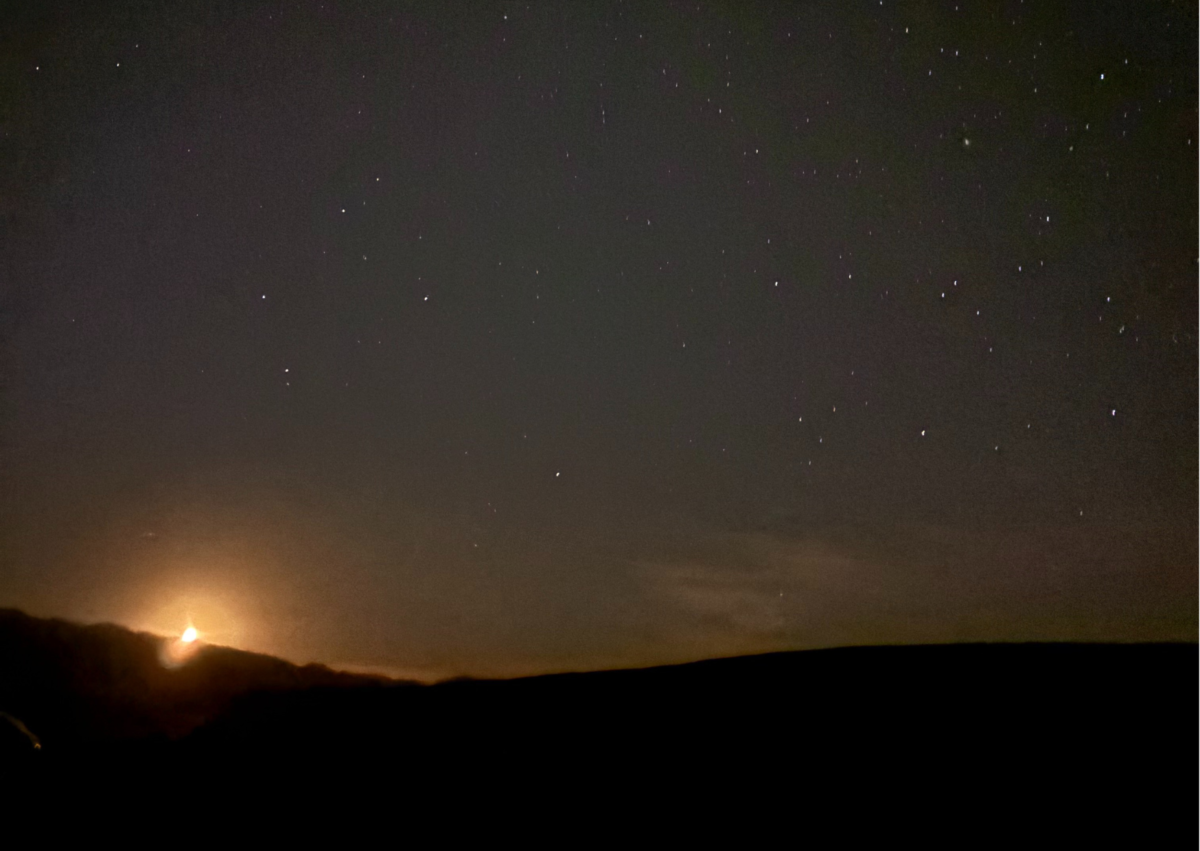
—— Nineteen years of rethinking what a room should be ——
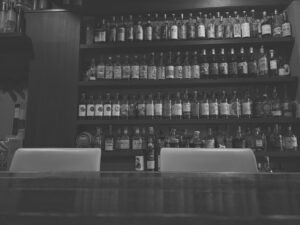
I run Bar Little Happiness, a whisky and rum bar in Nagarekawa, Hiroshima.
I opened it in 2006, at 22.
This year is our nineteenth.
Behind all of it lie more attempts and decisions than I could count.
Across three articles, I’ve set down why the bar took the shape it has, and what I was thinking as I raised it.
This first part is about how the room itself came about, and what I designed into it.
Nineteen years running a whisky and rum bar.
Revenue grew, and that was genuinely something you could call a result.
And somewhere in it, something didn’t sit right.
“I’m glad I chose this place. Thank you.”
Hearing that made me happy, and proud.
And at the same time, something in me had been wearing down for a long while.
Reading the room before anyone else. Getting ahead of what anyone needed —
Out of all the bars they could have gone to, they chose this one and walked in.
I worked so that every one of them would leave glad they had.
Not everyone who comes in likes drinking.
People who want conversation. People brought along by someone else. People sensitive to the mood of a room —
For all of them to feel it had been the right choice,
I watched, chose my words, and kept moving with the current of the room.
Revenue grew. People backed us.
Believing in what was ahead, I built new systems, again and again.
But having tested every hypothesis I had, and rebuilt the systems again and again,
I came to suspect the limit was in the structure itself.
However much you pour in, if the foundation is fragile, nothing stacks up.
And under a fragile business model, you rarely meet anyone who will build something new alongside you.
That is the reality of a small business.
Effort spins without catching, and nothing opens up ahead. That is the truth about business I arrived at.
So I stopped trying to reach everyone, and shifted to designing so that it reaches properly the people it should reach.
When I brought in digital ordering a few years ago, it wasn’t a cold system for cutting words to a minimum.
It was a means of making a room where things carry without words.
For guests who already love whisky and rum, and who love a quiet room, it turned out to give them more freedom, and more room to fall into it.
To choose a bottle at your own pace, taste it on your own terms — to deepen something with whoever you came in with.
For people like that, a design with fewer words is worth a great deal.
So that I could connect comfortably with people conversation comes naturally with, I quietly adjusted how people arrive here at all.
Not over-explaining. Not over-trying.
These weren’t things I cut away — they were a careful design that kept only what was needed.
Not building on the kind of effort that wears you down.
That was a large step, and it meant rethinking how I exist here from the ground up.
I’ve written more about what sits behind this room — about choosing, and about letting go.
* The photograph is a night sky I took in New Zealand.
Darkness with no glare in it, stars coming out one at a time, and the first thin light of morning beginning to enter the sky.
This room, too, is the shape left behind when only what was truly needed remained.