
Taketsuru: The Hiroshima-Born Father of Japanese Whisky, and the Bottles the World Now Hunts
2026.5.15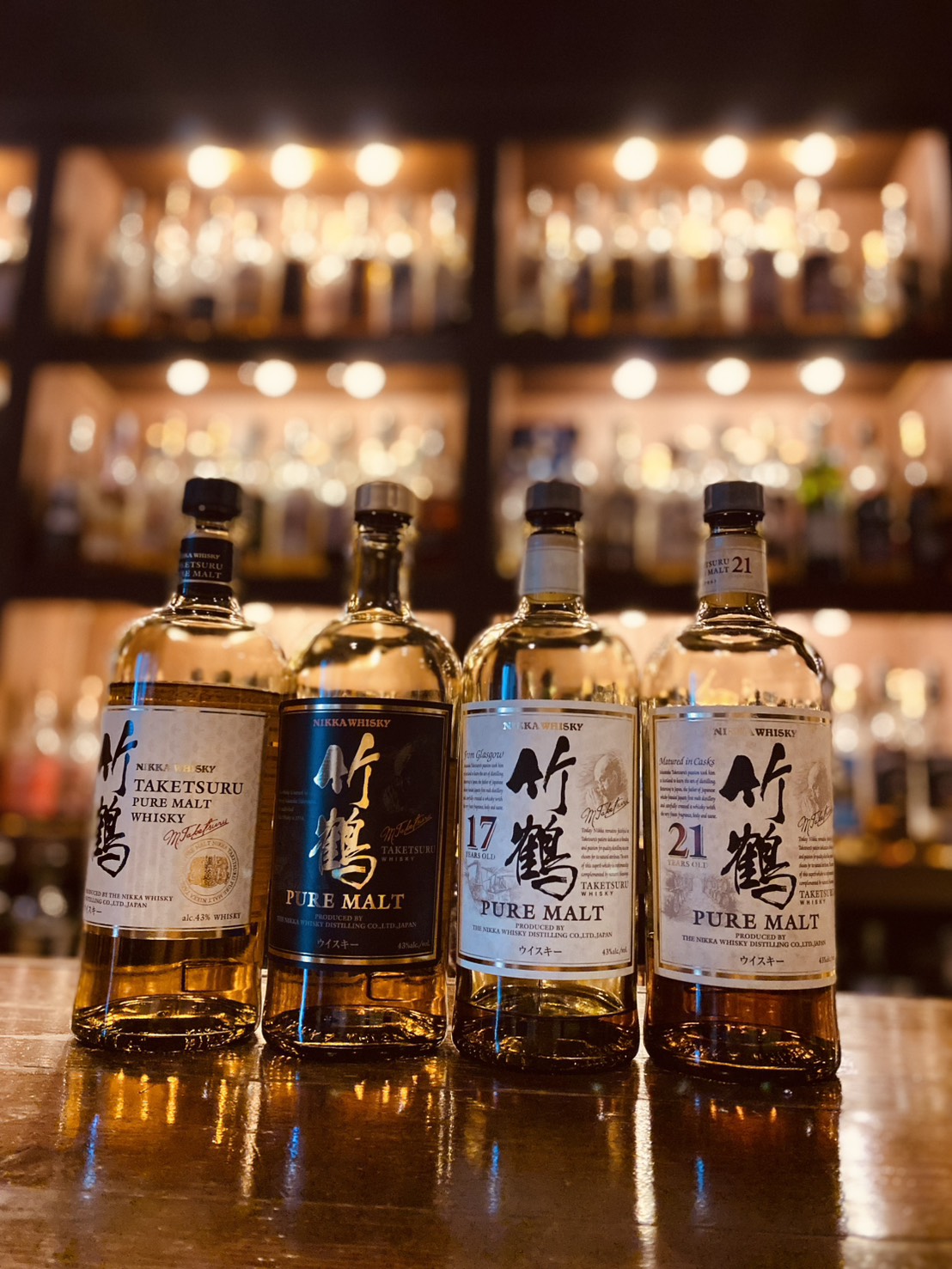
═══════════════════════════
Taketsuru: The Hiroshima-Born Father of Japanese Whisky, and the Bottles the World Now Hunts
═══════════════════════════
Some of the most sought-after Japanese whiskies in the world carry a single name: Taketsuru. Behind that name is a love story, a journey from Scotland to the snows of Hokkaido, and a man born right here, near my home in Hiroshima.
This is the story of Masataka Taketsuru — the father of Japanese whisky — and why I keep both the old and the new “Taketsuru” side by side on my back bar.
━━━━━━━━━━━━━━━━━
It Began in Hiroshima
━━━━━━━━━━━━━━━━━
Masataka Taketsuru was born in 1894 in Takehara, a town in Hiroshima, into a family of sake brewers. The Taketsuru family brewery still stands today in Takehara’s preserved historic district, with roots reaching back to 1733.
Growing up in a sake brewery, Masataka absorbed an obsession with quality from his father. “The strictness of sake-making became my flesh and blood,” he later wrote. That obsession would soon carry him toward a world almost no one in Japan understood yet: real whisky.
In 1918, at just 24, he sailed alone to Scotland. His mission was simple: to learn authentic whisky-making at its source. At the time, most “whisky” sold in Japan was imitation — alcohol with added color and flavor. In Glasgow, he studied chemistry and walked from distillery to distillery, writing down the closely guarded methods by hand. Those pages became the legendary “Taketsuru Notebook” — the foundation of Japanese whisky-making.
━━━━━━━━━━━━━━━━━
Rita — “I Want to Live Your Dream With You”
━━━━━━━━━━━━━━━━━
In Scotland, Masataka met Jessie Roberta Cowan — “Rita.” He had come to her family home to teach her younger brother judo. He was 25; she was 23.
Rita’s life had not been easy — she had lost her fiancé in the First World War, and her father soon after. Yet when this young man from a faraway country shared his dream, she answered without hesitation.
Masataka even told her he would stay in Scotland, abandoning his dream, for her. Rita refused: “No. Your dream is to make real whisky in Japan. I want to live that dream with you, and help you.”
Against fierce opposition from both families — international marriage was deeply frowned upon in that era — they married in 1920. That November, Rita left everything behind and sailed with him to a country she had never seen.
━━━━━━━━━━━━━━━━━
The Long Road to “Japanese Whisky”
━━━━━━━━━━━━━━━━━
Back in Japan, Masataka was first hired by Kotobukiya (today’s Suntory). In 1924 he completed Japan’s first malt whisky distillery, Yamazaki — which is why his name is woven into the origins of Suntory as well.
But his ideal and the company’s direction slowly diverged. He wanted to make whisky in a place with the same climate as Scotland. So in 1934 he left, and founded his own company in Yoichi, Hokkaido — a cold, sea-swept land that reminded him of Scotland.
Whisky cannot be rushed. At first he sold apple juice and wine from Yoichi’s orchards. Finally, in 1940 — twenty-two years after his Scottish studies — the first “Nikka Whisky” was born. (The name “Nikka” comes from his original company, Dai Nippon Kaju — “Greater Japan Juice.”)
Even in the hard postwar years, when rivals flooded the market with cheap whisky containing almost no real malt, Masataka refused: “I will not make third-grade whisky.” That stubborn pride ran through his entire life.
━━━━━━━━━━━━━━━━━
“Massan” — When a TV Drama Revived a Culture
━━━━━━━━━━━━━━━━━
In 2014, Masataka and Rita’s story reached all of Japan through an NHK morning drama, “Massan” — beloved across the country, and the first to feature a non-Japanese heroine. The moment it aired, a whisky boom reignited; even people who had never touched whisky picked up a glass.
In 2016, Taketsuru 21 and 25 were served to world leaders at the Ise-Shima Summit. Around the same time, the Taketsuru range won the world’s top honors at international competitions, year after year. Whisky lovers everywhere began hunting for Taketsuru.
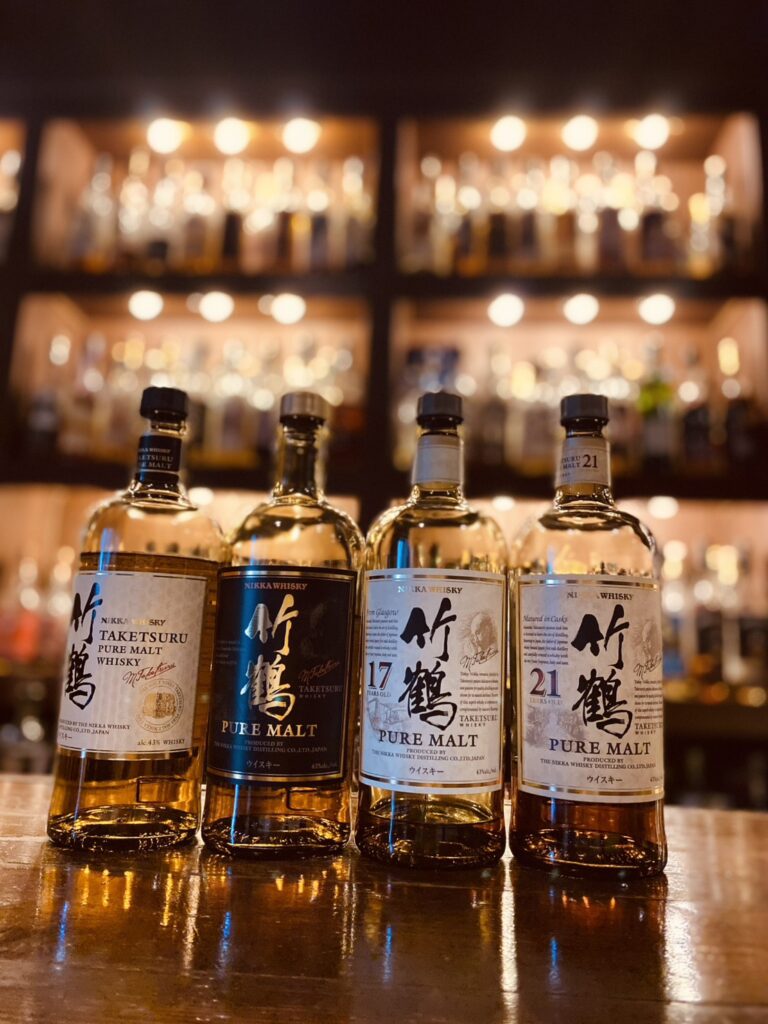
But whisky cannot be made quickly. A 17-year-old bottle needs seventeen years of waiting. Demand far outran supply — and in March 2020, Nikka made a painful decision: Taketsuru 17, 21, and 25 were discontinued. The old “black label” non-age bottle was retired too.
━━━━━━━━━━━━━━━━━
Two Distilleries, Like Masataka and Rita
━━━━━━━━━━━━━━━━━
Taketsuru Pure Malt, Nikka’s flagship since 2000, has a beauty all its own: two distilleries of opposite character, meeting in one glass.
Yoichi — coal-fired direct distillation, sea winds, a cold climate: powerful, heavy, masculine malt.
Miyagikyo — steam indirect distillation, a misty valley: floral, gentle, feminine malt.
Powerful Yoichi and gentle Miyagikyo, taking each other’s hand — like Masataka and Rita themselves. Taketsuru Pure Malt is, in a sense, two people’s lives poured into a single glass.
━━━━━━━━━━━━━━━━━
Old Taketsuru and New — Two Different Whiskies of the Same Name
━━━━━━━━━━━━━━━━━
Here is something many don’t know: there are two generations of Taketsuru Pure Malt, and whisky lovers treat them almost as different drinks.
The reason lies in a turning point for the whole industry. Until recently, Japan had no legal definition of “Japanese whisky” — whisky merely bottled in Japan, or blended with imported spirit, could still be sold to the world as “Japanese.” In 2021, an industry standard was finally set: to be called Japanese whisky, the spirit must be made and matured in Japan, from domestic ingredients.
For years, enthusiasts suspected the old Taketsuru’s distinctive fruitiness came partly from Scotch — malt from Ben Nevis, the Scottish distillery Nikka has owned since 1989. It was never officially confirmed, but in the industry it’s nearly accepted as fact.
Then, in March 2020 — just as the new definition was being debated — Nikka substantially renewed Taketsuru, officially “raising the proportion of Yoichi malt.” Since 2021, it has carried the “Japanese Whisky” designation. In other words, the old and new Taketsuru may be two entirely different whiskies wearing the same name.
On my back bar, I keep both. Tasting them side by side, you feel exactly what the enthusiasts mean. This isn’t about which is better — it’s a record of a moment when Japanese whisky reached a turning point, and chose what to protect and what to let go.
━━━━━━━━━━━━━━━━━
To Taste a Hiroshima-Born Whisky, in Hiroshima
━━━━━━━━━━━━━━━━━
Bar Little Happiness is in Nagarekawa, Hiroshima. Takehara — where it all began — is about an hour away by car. Its preserved old streets still hold the Taketsuru family brewery, and statues of Masataka and Rita.
Spend a morning in Takehara, tracing the home of “Massan,” then return to the city in the evening and have a glass of discontinued Taketsuru at my counter. That, I think, is a day you can only have in Hiroshima.
On my bar, the discontinued Taketsuru 17, 21, and the old black label are still here to taste. Being able to show you all three lined up is becoming rarer by the day.
The moment you feel the maker’s heart, whisky tastes even better.
Every encounter is meant to be. Welcome to the world of Rum & Whisky.
━━━━━━━━━━━━━━━━━
Plan Your Visit
━━━━━━━━━━━━━━━━━
Bar Little Happiness
5-14 Nagarekawa-cho, Naka-ku, Hiroshima, 1F
Mon–Sat 19:00–24:30 / Sun until 24:00 (last entry about 1 hour before close)
Open almost year-round.
━━━━━━━━━━━━━━━━━
Written by Mika Tanimoto — owner-bartender of Bar Little Happiness, a Rum & Whisky bar in Hiroshima, Japan, established in 2006. I visit distilleries around the world myself, to meet the makers face to face and bring back what I learn firsthand. My back bar holds over 1,000 bottles, from rare releases to Sakurao, made here in my hometown of Hiroshima.


Definitely very recommended, I hope to be able to come back here in a future Japan trip! Thank you so much, cheers from Italy!