
KOMORO ORIGIN: Tasting Notes and the Story Behind Komoro Distillery’s First Single Malt — Ian Chang’s Sleepless Nights
2026.11.10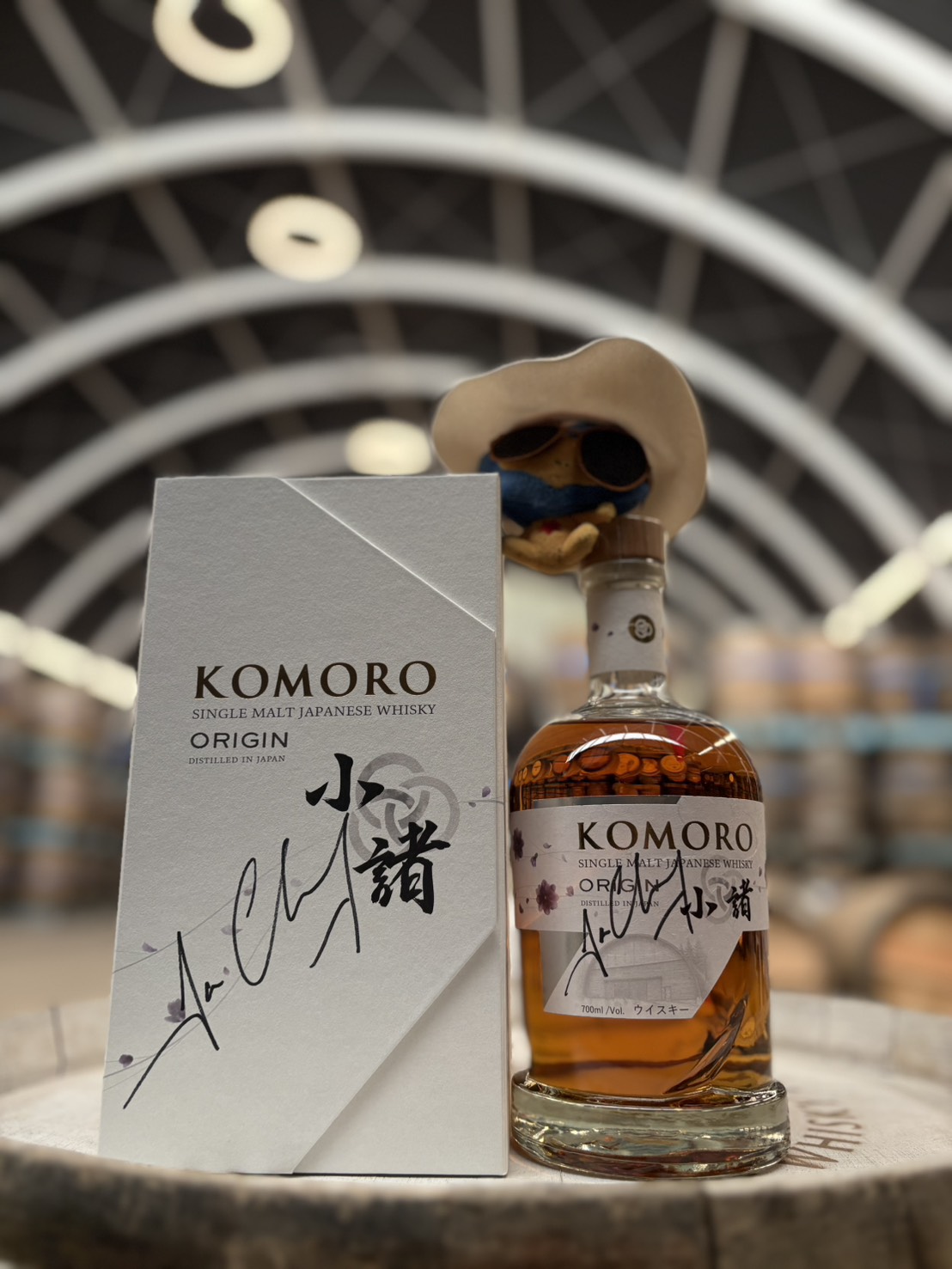
“This was the first time I had to do everything on my own, without your father’s help.”
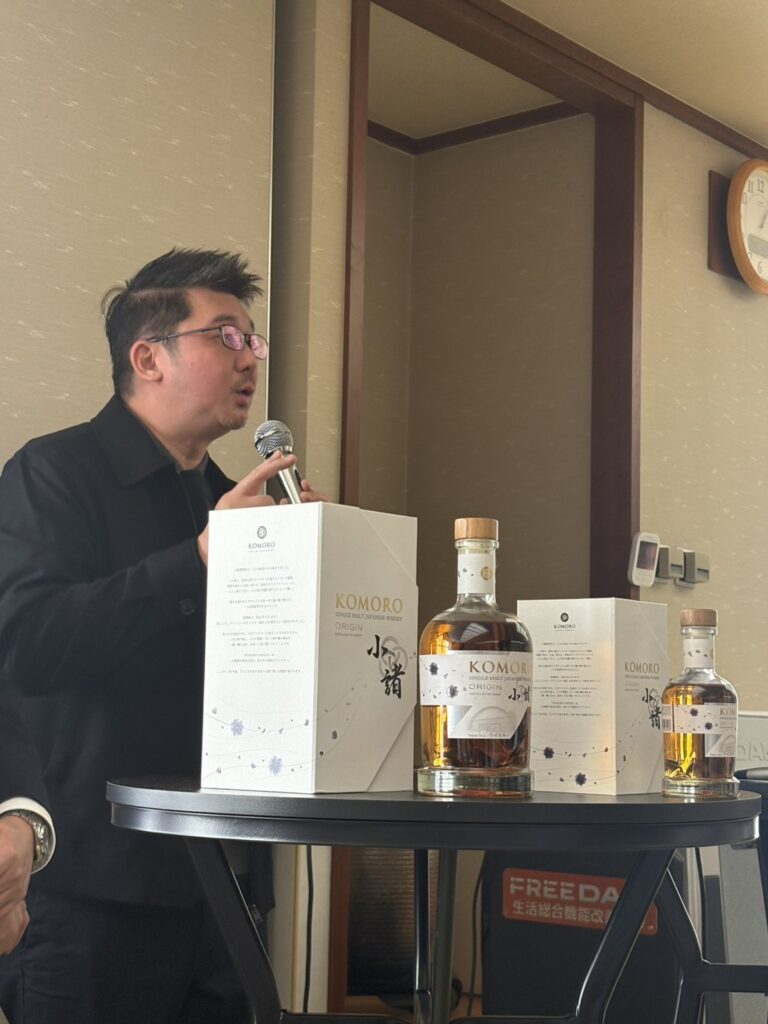
On stage at the talk session, Ian Chang said these words while looking toward Caroline, daughter of the late Dr. Jim Swan.
For a while after Komoro Distillery was launched,
Ian could sleep only three or four hours a night.
This is the same Ian who led Kavalan to worldwide acclaim.
No matter how much experience and success you have, creating something from zero must come with enormous anxiety and pressure.
What was going through Ian’s mind as he lived through those days?
Just imagining it made my chest tighten.
And still, he kept believing in hope and kept moving forward.
November 7, 2026.
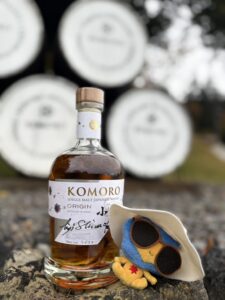
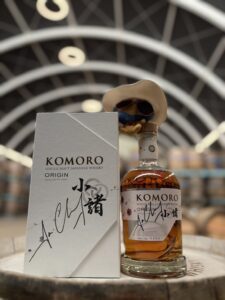
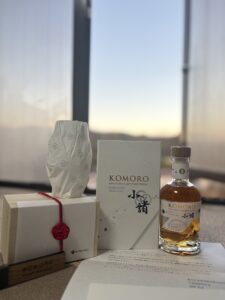
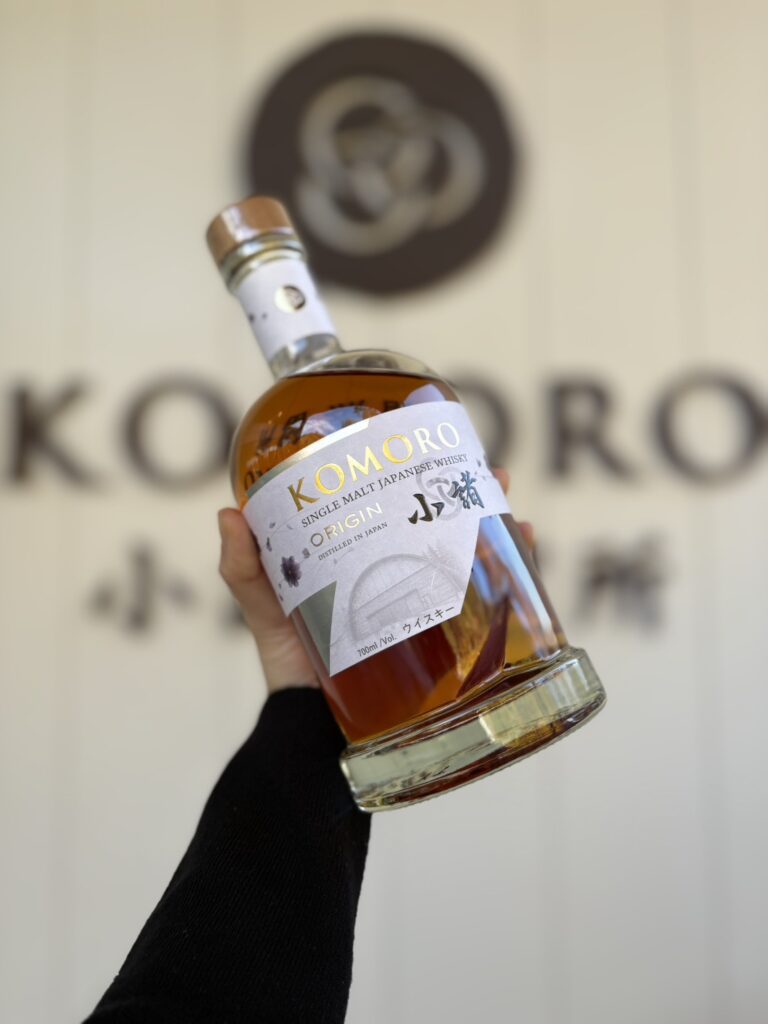
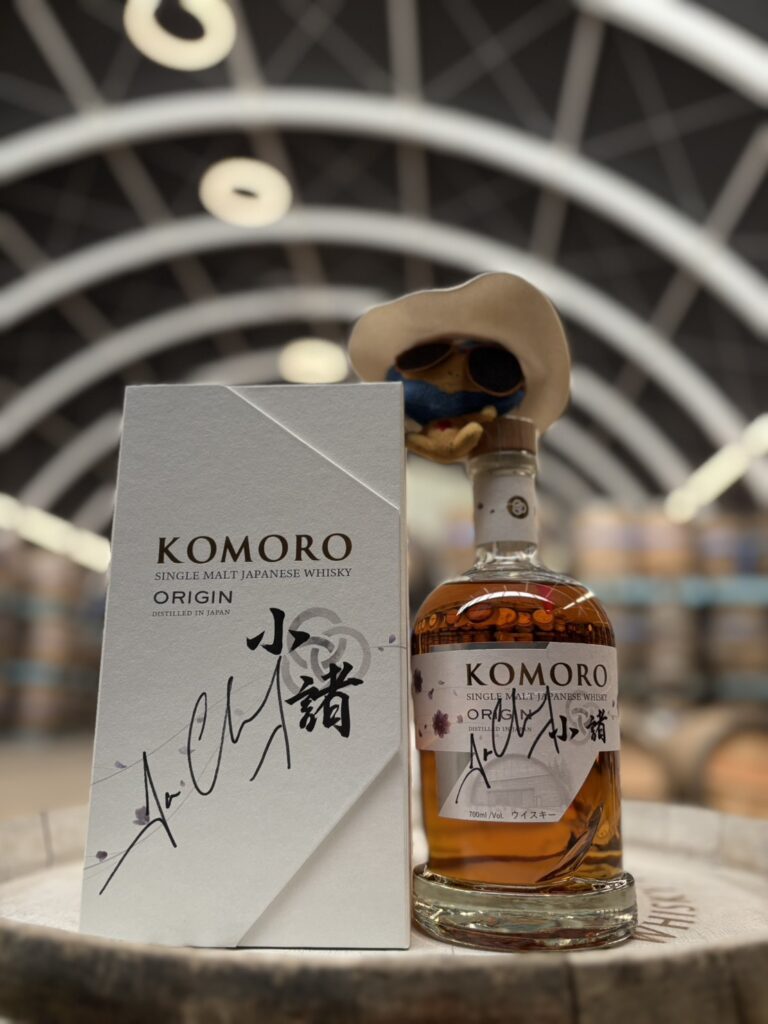
KOMORO ORIGIN, the first single malt Japanese whisky from Komoro Distillery, was released.
For this first release I stayed in Komoro for six days, joining the Celebration Day, the masterclass and talk session, the Whisky Academy, a tour of the warehouse, and more.
Komoro Distillery is a place I truly love.
I love encountering the ambitions and feelings of the people who make whisky.
Visiting distilleries like this and sharing what I learned and felt with my guests is my greatest joy.
So this is me being a devoted fan once again! (laughs)
What I heard, what I learned, and what moved me there —
I want you to know the story poured into this one bottle, KOMORO ORIGIN, so let me tell it in my own way.
KOMORO ORIGIN|The Bottle That Marks Komoro Distillery’s “Origin”
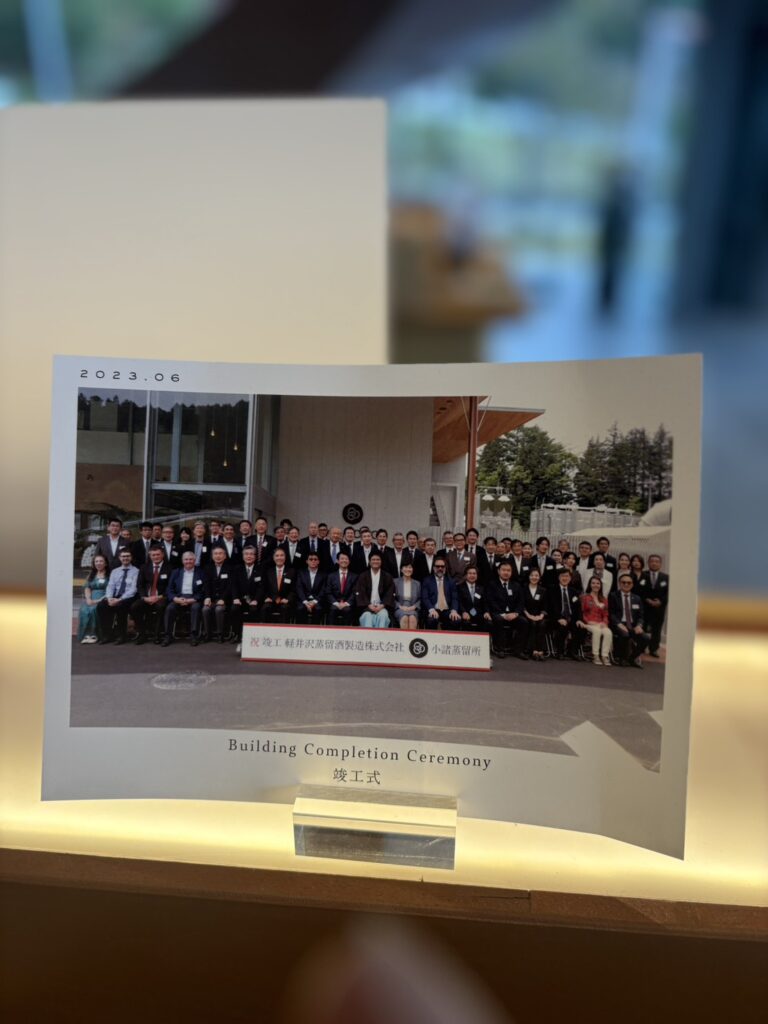
Komoro Distillery’s first distillation took place in June 2023.
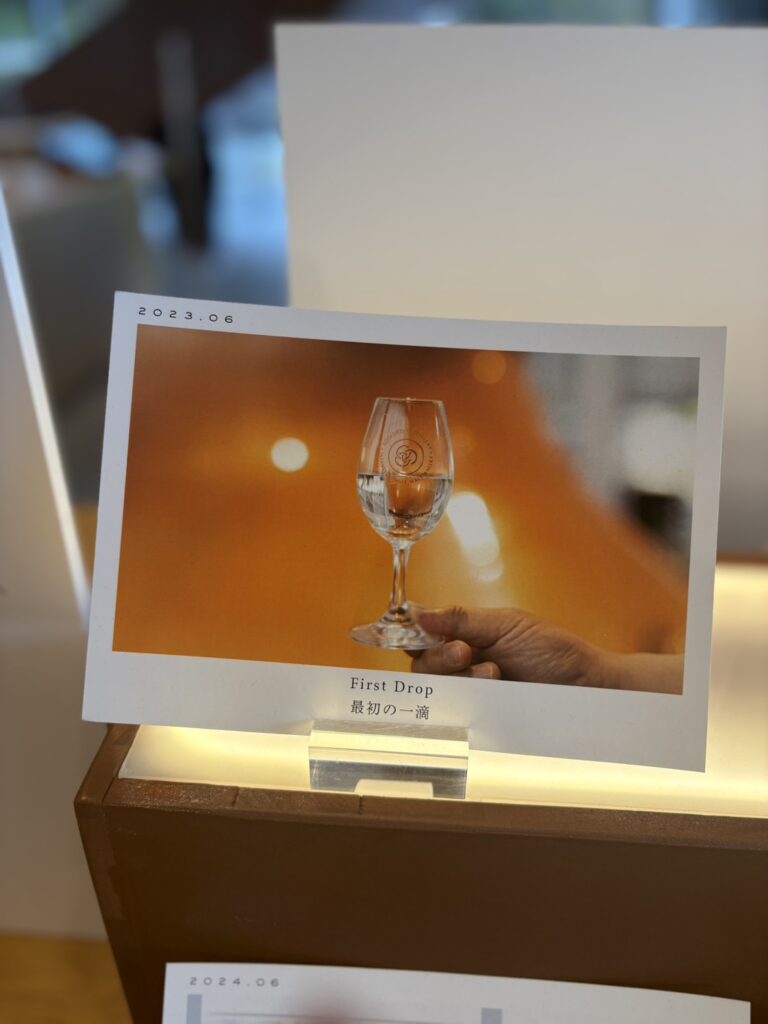
After more than three years of maturation, the result is KOMORO ORIGIN.
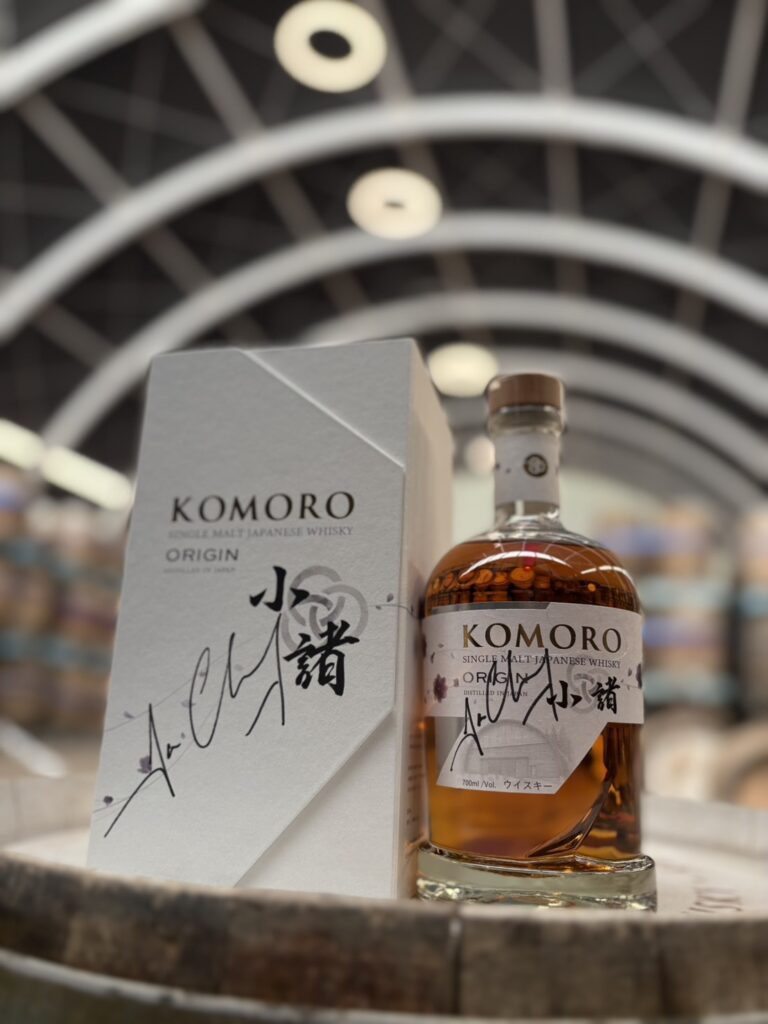
For Ian, the completion of the distillery in 2023 was the first major milestone.
The release of ORIGIN in 2026 is the second.
ORIGIN is the first of the four core-range whiskies Komoro Distillery plans to release.
As the name says, this is the “origin.”
ORIGIN is only the beginning — the starting point of a story that will continue for a long time. Ian said this again and again.
KOMORO ORIGIN at a Glance
- Type: Single malt Japanese whisky
- First distillation: June 2023
- Maturation: 3+ years
- ABV: 48%
- First release: Limited to 4,000 bottles of 700 ml (for participants in First Release Week programs, by advance reservation)
- Release date: November 7, 2026
KOMORO ORIGIN Tasting Notes|Three Glasses, from New Make to ORIGIN
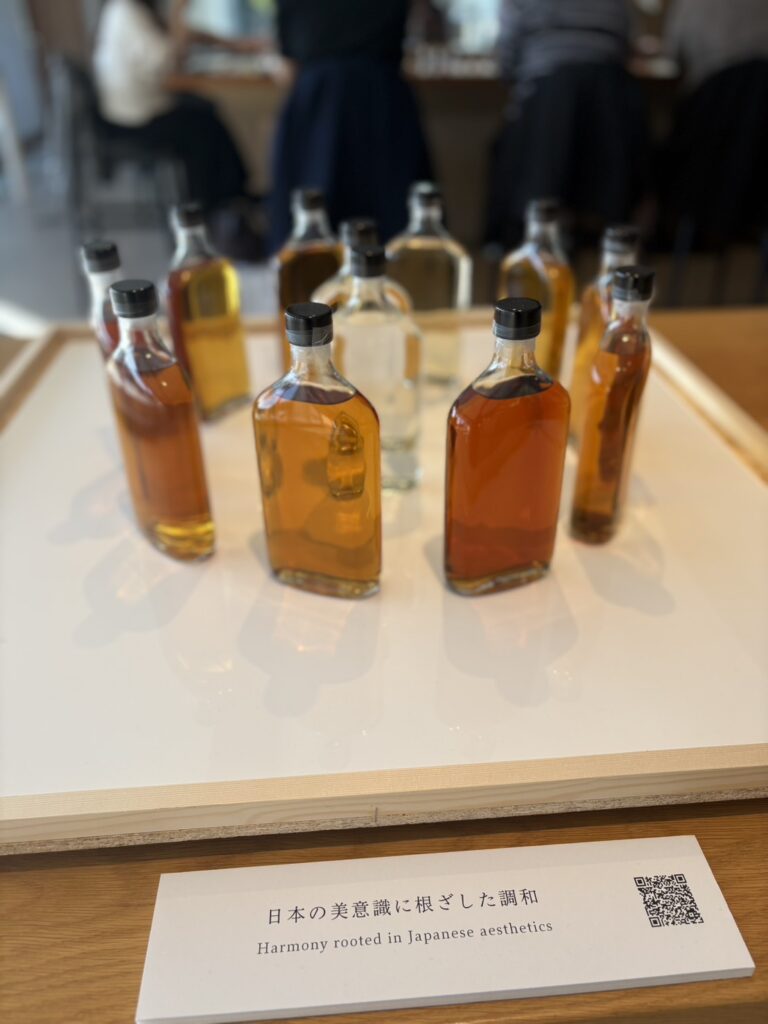
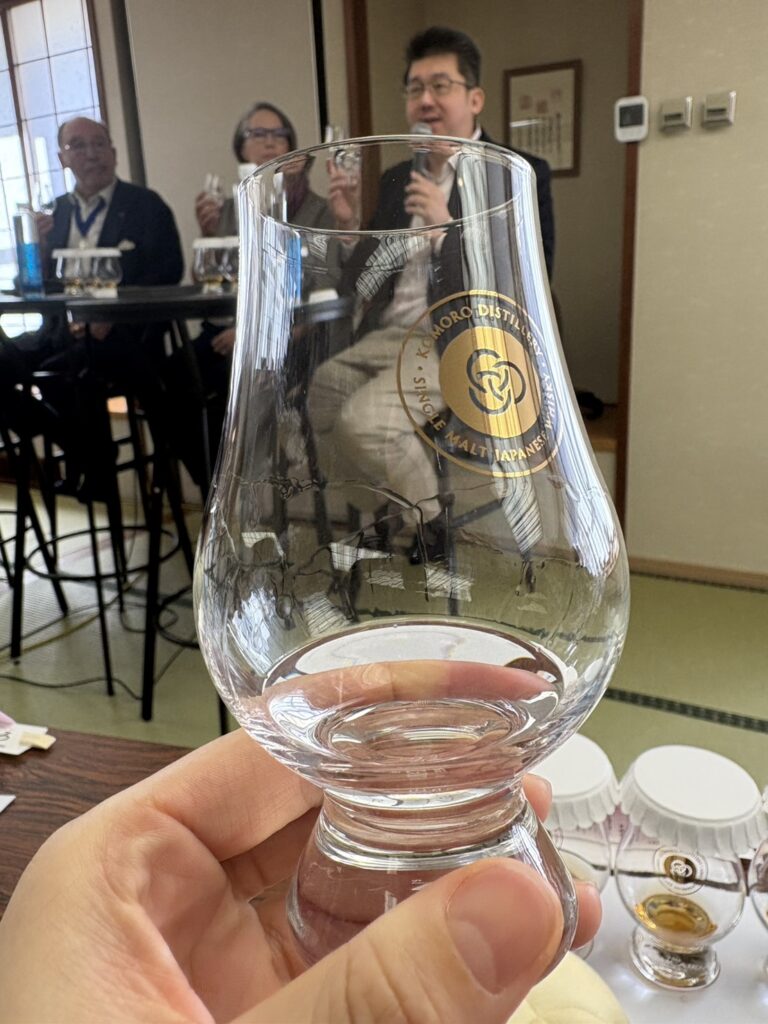
At the masterclass, we tasted the new make, a maturing spirit called “Autumn,” and KOMORO ORIGIN, while Ian explained the spirit character he is aiming for and his approach to blending.
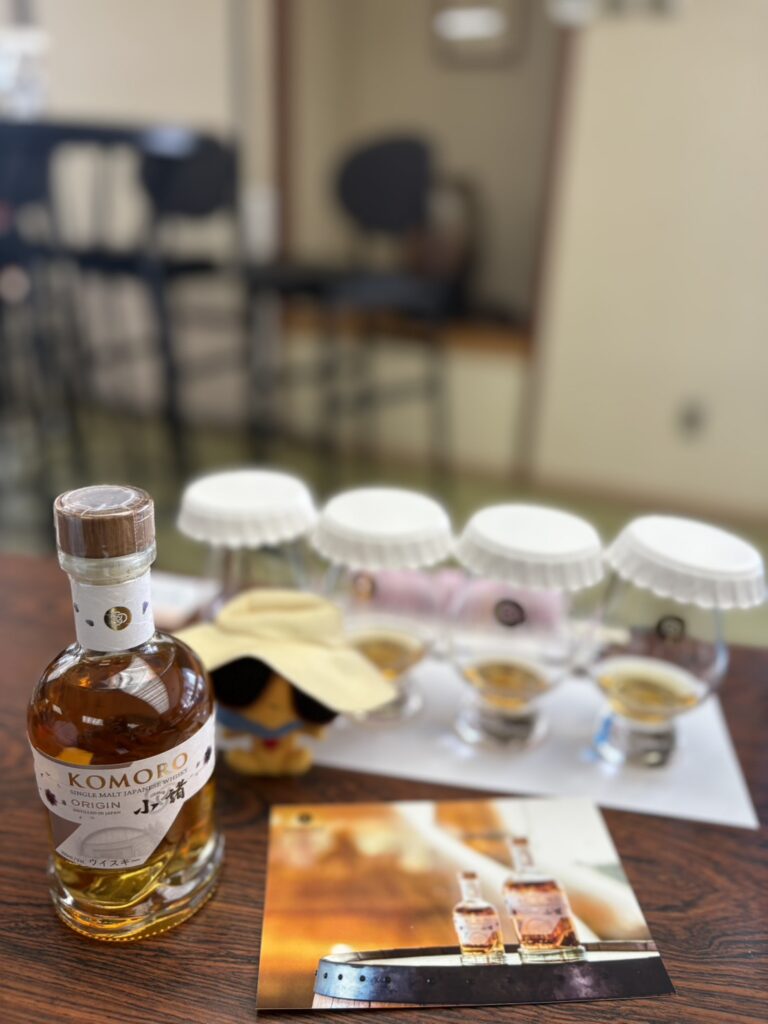
We also tasted other samples such as a peated new-born, but here I will introduce the three glasses that lead to ORIGIN.
New Make|A Spirit Built for 30 Years of Maturation
The first aroma Ian named in the new make was juicy peach.
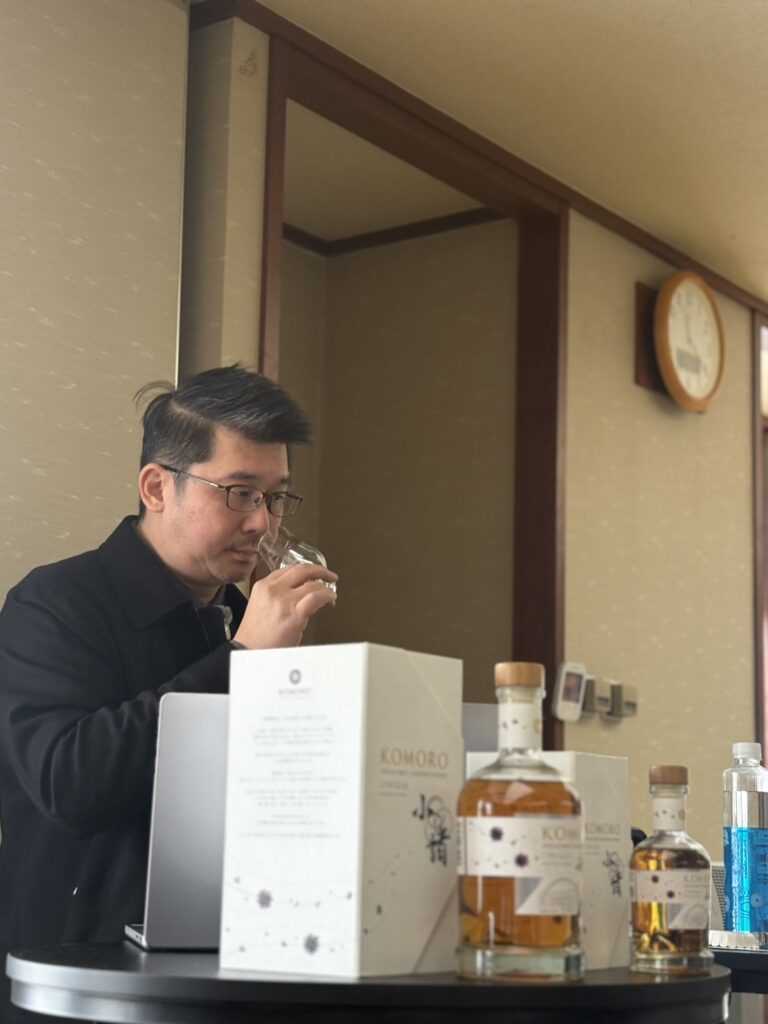
Then green apple, lychee further back, and a honey-like sweetness.
These aromas, he explained, are created during fermentation.
Swirl the glass and the liquid slowly runs down the inside.
This oiliness has a purpose, too.
Komoro Distillery is aiming for long maturation — around 30 years.
To spend that many years in a cask, a spirit needs a solid body that will not be overwhelmed by the character of the wood.
That is one of the lessons Ian learned from his mentor, Dr. Jim Swan.
With a little water, he said, biscuit, malt and floral notes also emerge from behind the fruit.
I wrote in more detail about this new make’s aroma and the water from the foothills of Mt. Asama in an earlier article.
Komoro Distillery: New Make That Smells of Peaches, and Water That Takes Fifty Years to Surface
Autumn|The Spirit That Forms ORIGIN’s Framework
The second glass was a new-born of about two years, called “Autumn” inside the distillery.
Komoro Distillery has new-born spirits named after the four seasons — Spring, Summer, Autumn and Winter — each given its own character.
In the end, they are combined into a single recipe.
What comes through in Autumn is citrus and orange, with spice from the cask.
A very different face from the new make.
Ian compared this new-born to a “concept car.”
Before the finished product goes out into the world, it lets drinkers feel the direction of flavor the distillery is heading toward.
That is its role.
He also said that creating a whisky recipe is like building a house.
Autumn is the pillars and the frame.
Then walls and floors are added to complete the house.
I see!
Tasting them side by side, you gradually start to see how one spirit changes through blending.
KOMORO ORIGIN|Harmony Created by Blending
And the third glass was KOMORO ORIGIN.
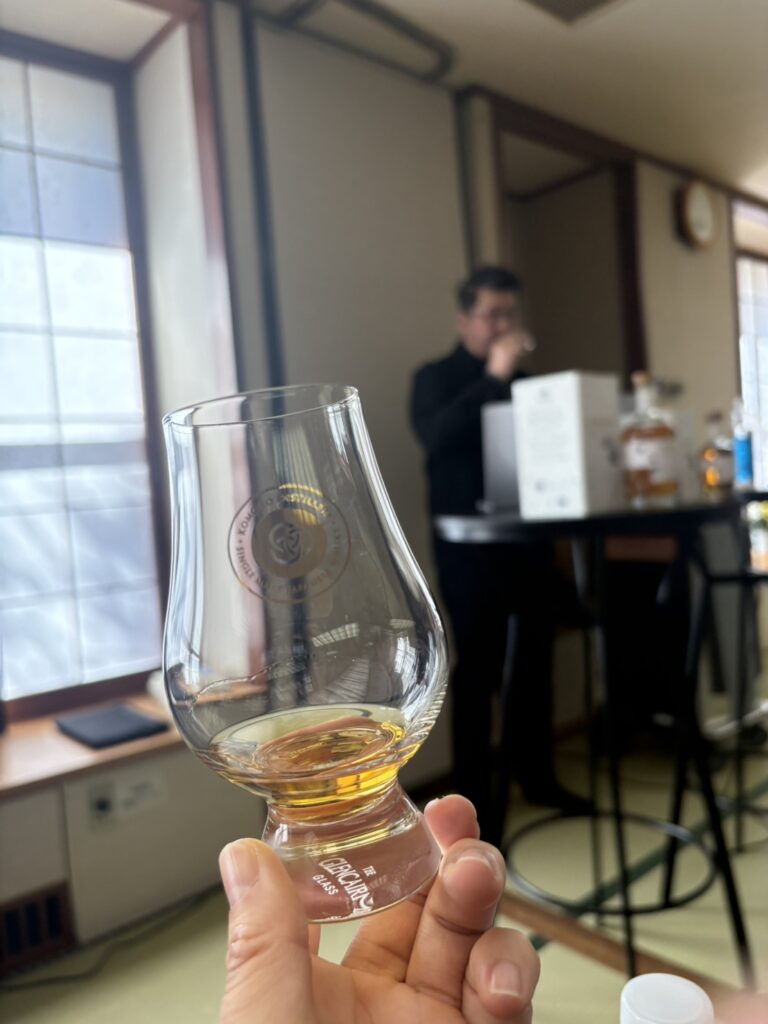
According to Ian, while Autumn has a relatively simple structure, ORIGIN is far more complex and three-dimensional.
What I found fun here was how he compared a blender’s work to a football coach.
You know each player’s strengths, put them in the right position, and make them work as a team.
Simply gathering great players does not make a great team.
And vanillin from the cask plays the role of a “coach” that brings the different characters together.
The aromas and flavors of different spirits come into harmony as one whisky.
I see!
It reminded me once again how deep the work of blending is.
KOMORO ORIGIN Tasting Notes as Presented at the Masterclass
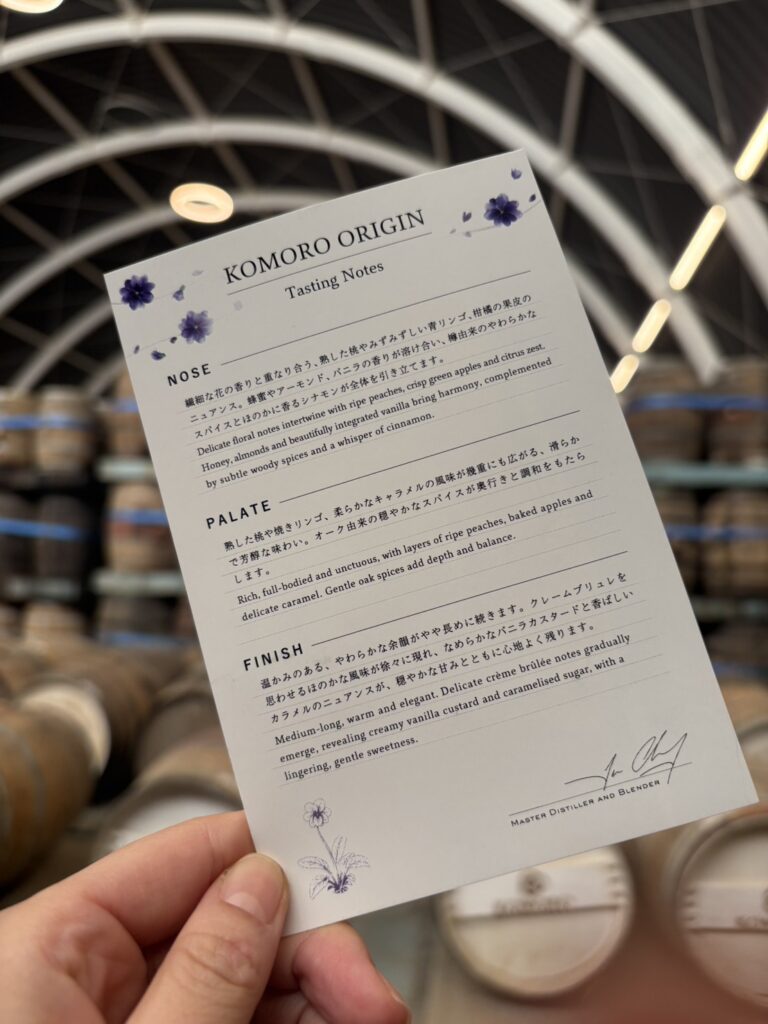
Nose
Ripe fruit and the brightness of tropical fruit. Sweetness reminiscent of honey, almond and syrup, with vanilla.
Palate
Oily, smooth and creamy. A balance of natural sweetness on the tip of the tongue and a gentle bitterness that appears further back.
Finish
Toasty notes of crème brûlée, vanilla, caramel and coffee. A sensation of warmth sinking down into the body.
About that honey- and syrup-like sweetness, Ian emphasized that nothing has been added.
Water, malted barley and yeast.
And a carefully built-up production process.
That alone can create such rich aromas.
At the talk session the day before the masterclass, Charles MacLean also said he found tropical fruits like mangosteen and pineapple.
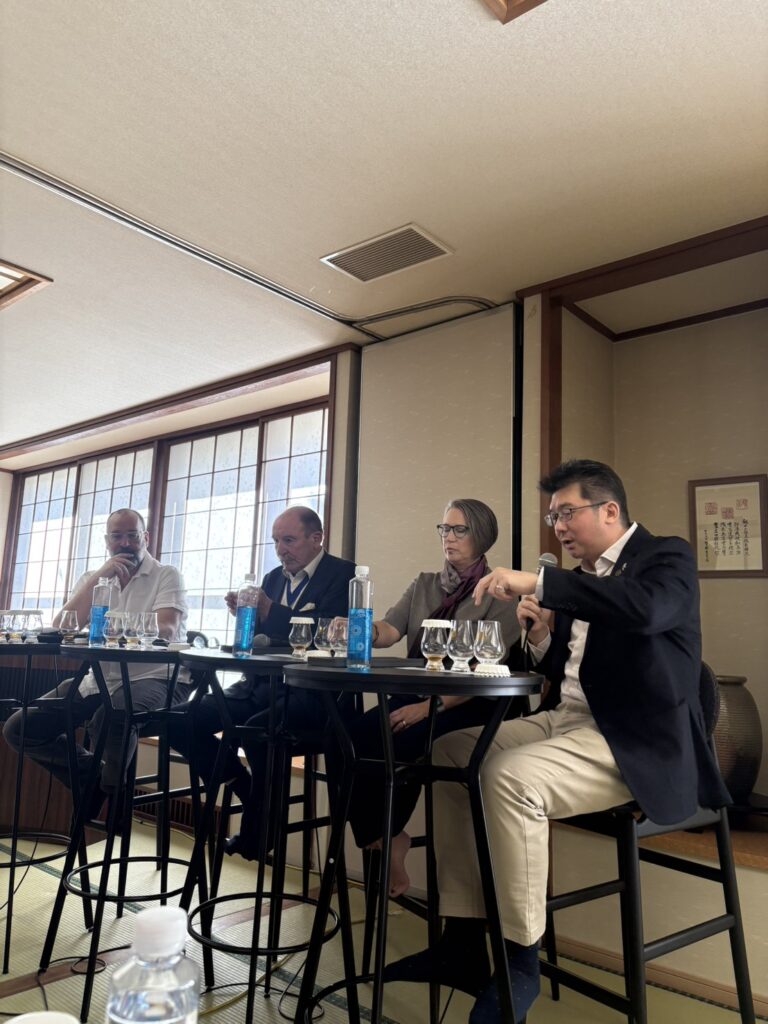
And it left an impression on me that he praised it as a wonderful start.
Why 48%?|Four Principles and “The Finish Is Not Long Yet”
Ian has four principles he relies on when judging how a whisky has turned out.
Because they are so important, he explained them more than once at the masterclass.
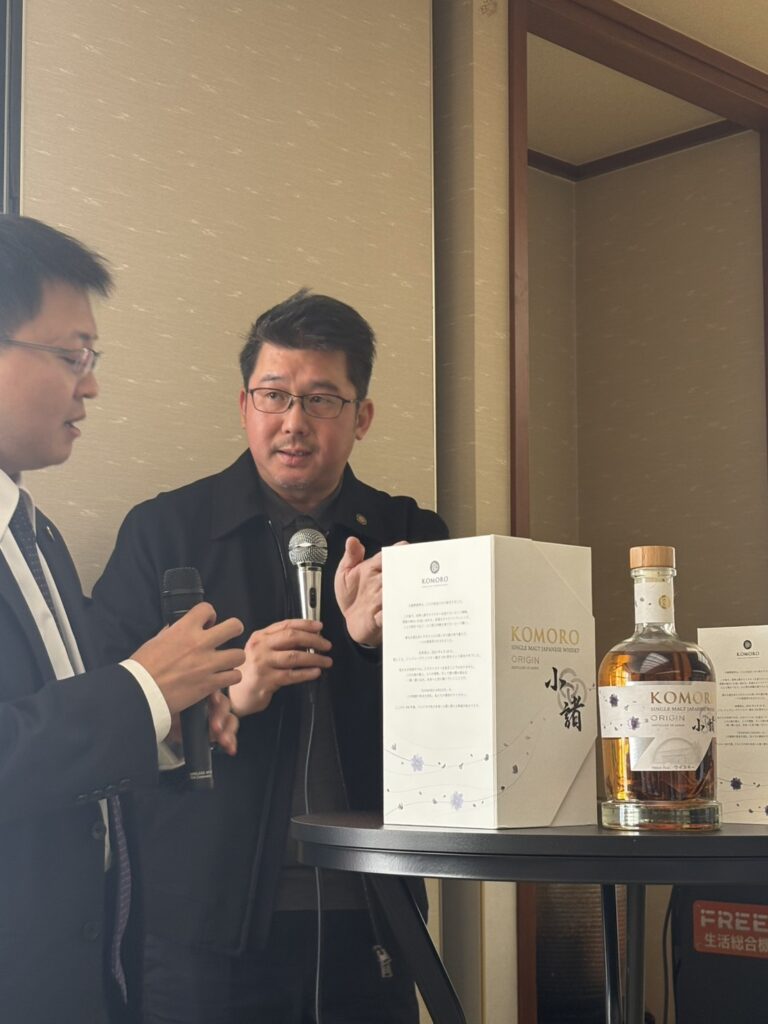
- Brightness: a bright, lively impression of fruit and flowers
- Finesse: fine texture and elegant, delicate expression
- Balance: all the elements in equilibrium
- Completeness: aroma, palate and finish connected as one
It is a way of thinking that also connects with the beauty of Japanese blending that Ian values.
In fact, in September, someone who tasted ORIGIN in Taiwan told him it was “a little light.”
Many people in Taiwan apparently prefer powerful whiskies such as cask strength or single cask bottlings.
But what Ian wanted to express this time was something other than simple power.
Combining different characters to create a harmonious whisky.
He wanted to convey that blending skill through ORIGIN.
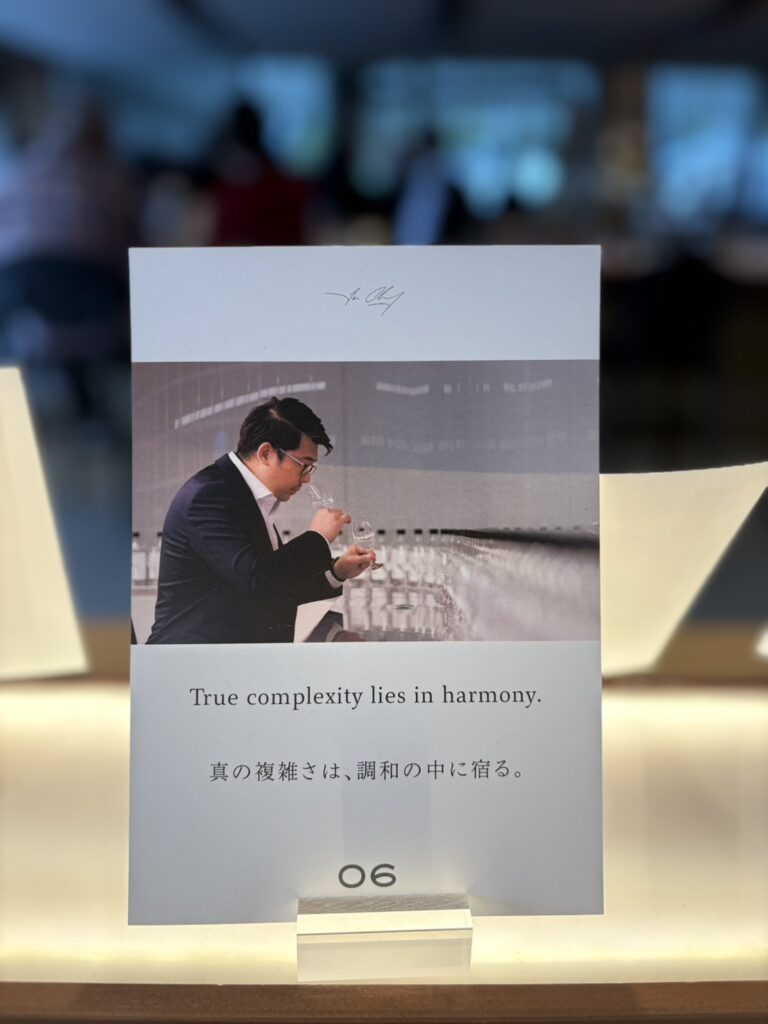
Beyond that “harmony,” what kind of flavor is Komoro Distillery envisioning?
At the Whisky Academy’s “Whisky Basics” class, Eddie Ludlow introduced Komoro Distillery’s house style.
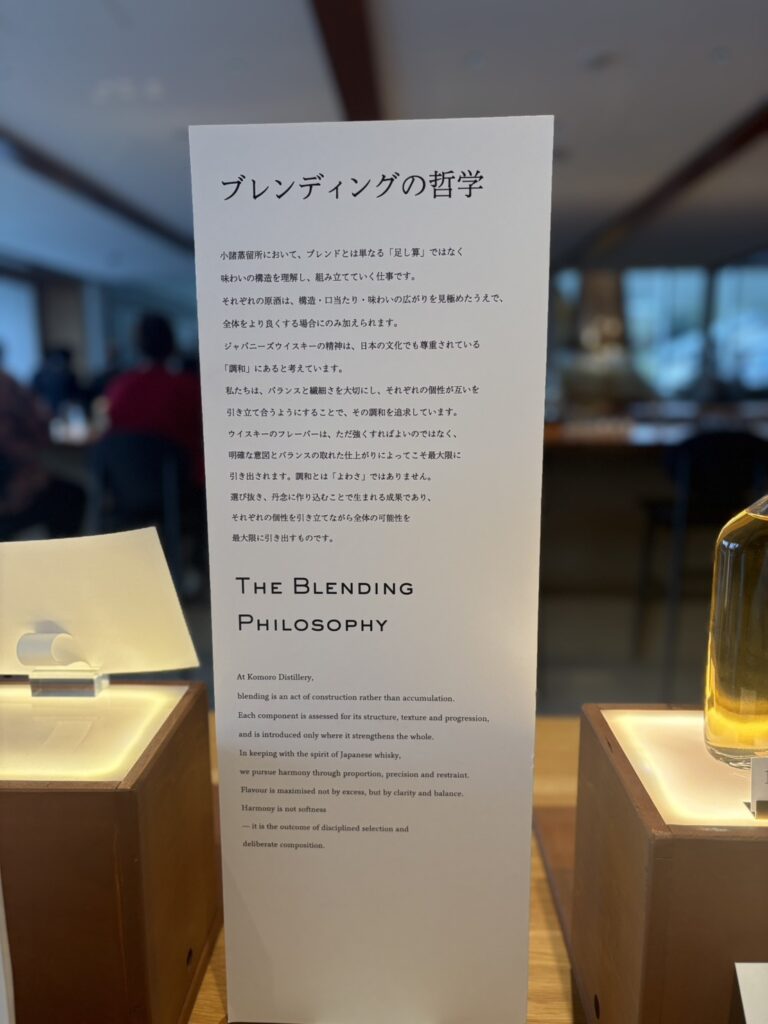
If Ian’s four principles are the yardstick for judging a single bottle, the house style is the flavor Komoro Distillery is aiming for, and the blending philosophy that gives it shape.
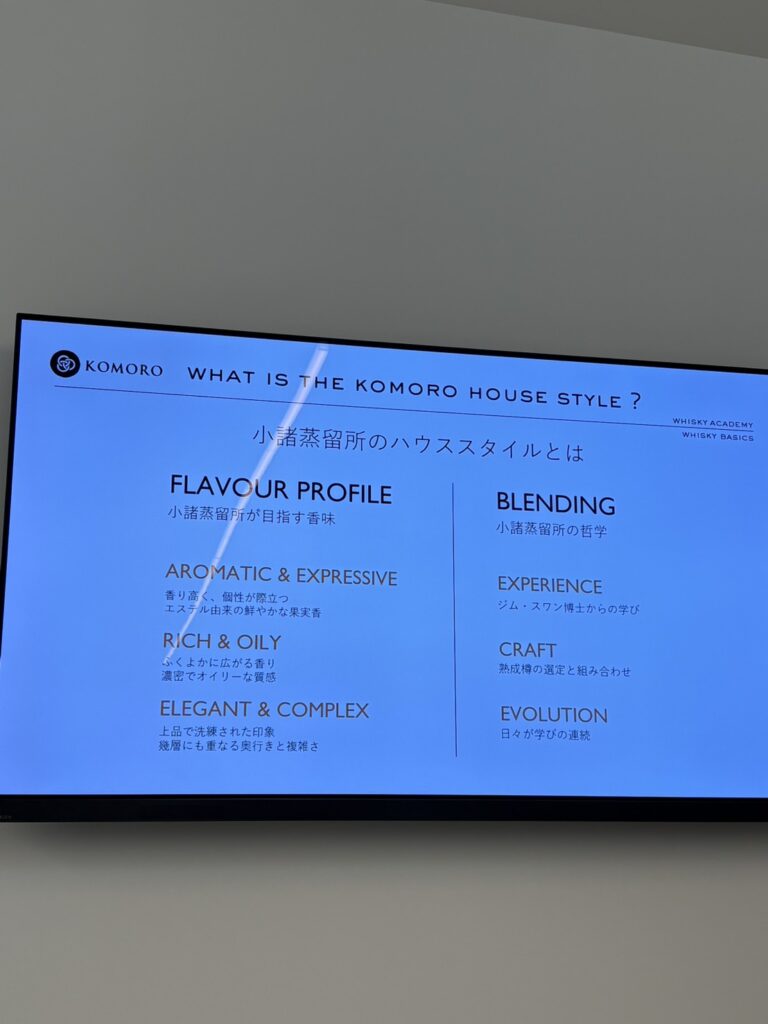
FLAVOUR PROFILE|The Flavor Komoro Distillery Aims For
- AROMATIC & EXPRESSIVE: Highly aromatic with a distinct personality. Vivid, ester-driven fruit.
- RICH & OILY: Generous, expansive aromas. A dense, oily texture.
- ELEGANT & COMPLEX: Refined and sophisticated. Layer upon layer of depth and complexity.
BLENDING|Komoro Distillery’s Philosophy
- EXPERIENCE: Lessons learned from Dr. Jim Swan.
- CRAFT: Selecting and combining maturation casks.
- EVOLUTION: A commitment to keep learning every day.
There is a reason for the 48% ABV, too.
Komoro Distillery sets 46% as its minimum bottling strength.
This time they compared samples at a range of strengths from 46% to 55%, and decided that 48% best expressed the appeal of ORIGIN.
Turning these flavors into a single whisky is Ian’s job.
In Whisky Basics, Eddie also talked about how Ian works.
Eddie has known Ian for a long time, and he is still impressed by how thorough his work is.
Analyzing each spirit. Understanding how spirits change as they mature. Knowing the character of every single cask. And the fine, detailed work of blending.
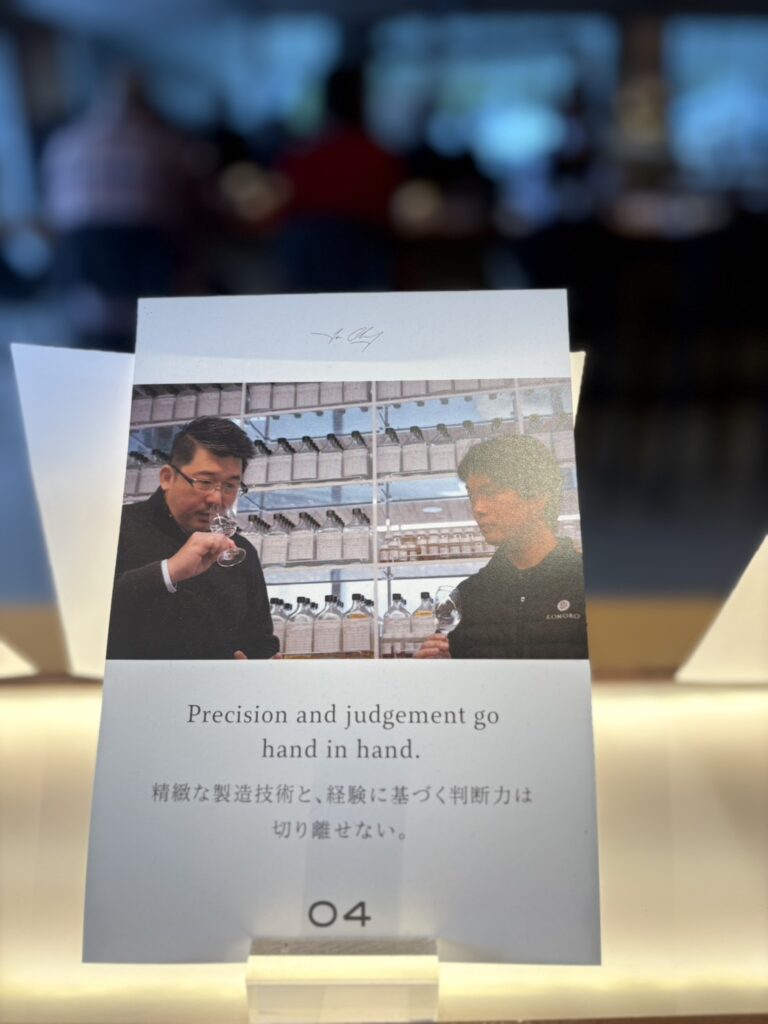
He described it as “so detailed it is almost scary.”
At the masterclass, Ian also said, “God is in the details, and the devil is in the details.”
I am sure the way he faces each spirit comes from the same place.
And what moved me was Ian’s honesty.
Because it is still a young whisky of three years, the finish is not that long yet.
He said that this must be honestly acknowledged.
At the very event unveiling the finished product, he himself pointed out where it is not yet enough.
I felt his sincerity toward whisky-making in that.
ORIGIN is only the beginning.
Ian also compared this young whisky to a teenage driver making a name in Formula 1.
It already shows wonderful potential, but there is still plenty of time to grow.
What kind of whisky will it become?
(By the way, for a three-year-old, the finish is actually properly long. I think Ian’s standards are just very high.)
Why the Cask Recipe Is Not Revealed
During the Q&A after the masterclass, someone asked about the casks used for KOMORO ORIGIN.
As whisky lovers, we really want to know which casks were used, right?
But Ian explained why he does not reveal the cask types or proportions in detail.
He does not want people to form preconceptions before they even taste it, just from knowing the cask information.
Rather than information about the casks, he wants people to first enjoy the aroma and flavor of the whisky itself.
That is his wish.
Actually, in that Q&A he did give a small hint — or rather, the answer — about the casks.
But I will keep it to myself here.
If reading my blog gave you preconceptions, I feel that would go against Ian’s wishes.
Please first taste KOMORO ORIGIN with your own senses.
(If you want to know, come to Little Happiness and ask me!)
2020: A Decision During the Pandemic, and Three People Meet
From here, this is the story of how this bottle came to be.
2020.
Just as the world began to feel the impact of COVID-19, Ian left Kavalan.
I wrote in detail in an earlier article about how he joined Kavalan and why he decided to leave.
Legacy — What Ian Chang Brought from Kavalan to Komoro
His wife was very worried at the time.
Why quit a stable job at such a difficult time?
She cried every night, Ian said at the end of the masterclass.
Ian had been thinking of becoming a consultant who supports distilleries, like his mentor Dr. Jim Swan.
So he asked a contact at Forsyths, the Scottish distillery equipment maker he had long known, to introduce him to anyone who wanted to start a new distillery.
Then, in March 2020,
he was introduced to President Shimaoka and Ms. Shimaoka.
President Shimaoka had already been searching several candidate sites.
One of them was the land where Komoro Distillery stands today.
Looking at the weather data and water analysis, Ian felt it was an environment suited to both fermentation and maturation.
“There are moments when you feel you met the right people, in the right place, at the right time.”
That is what Ian said.
To his worried wife, he explained that he had met President Shimaoka as a new partner.
A person with a wonderful vision and great ambition.
Together, they could do something big.
With hope and conviction, once you set a goal, you just keep going.
Never stop, never give up.
Of course, hope alone does not build a distillery.
Construction takes an enormous amount of money.
You have to install equipment, gather people, and wait years for the whisky to mature.
At the talk session, Charles MacLean even said that when someone tells him they want to start a distillery, the first thing he says is “Don’t.”
Even so, the three of them chose to go forward together.
The Komoro Distillery logo is made of three overlapping rings.
One of its meanings is these three people.
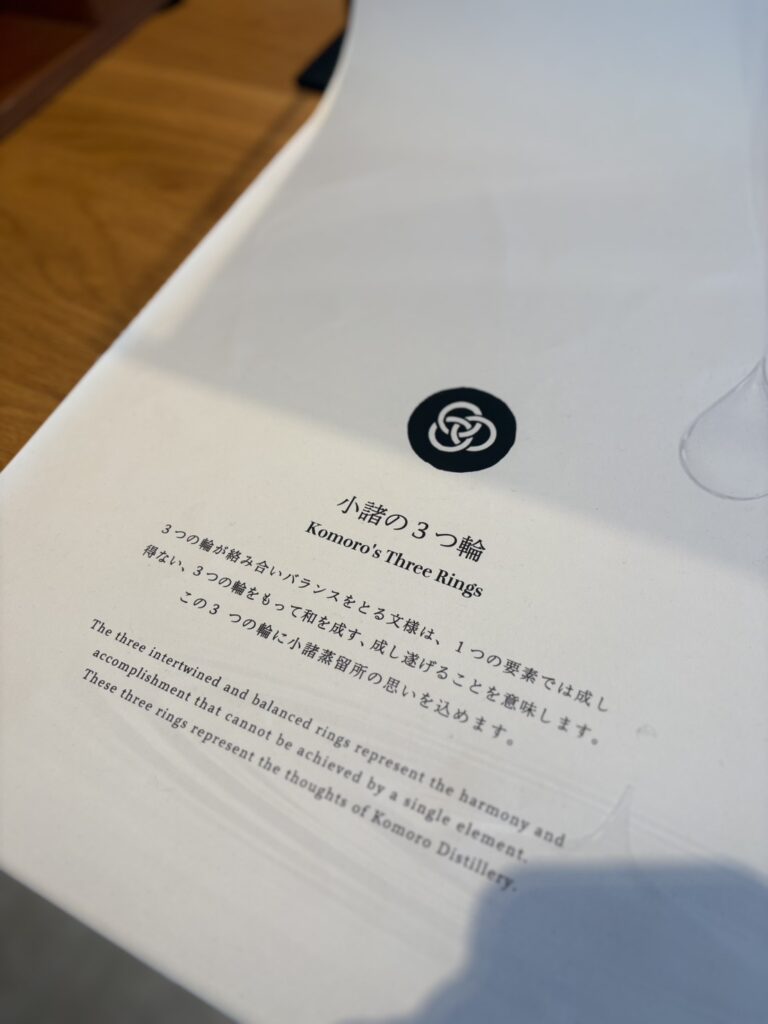
Three people who had lived different lives and gained experience in different places.
The three of them met at that moment in 2020.
They shared the same dream, and actually built a distillery.
I believe their meeting was not a coincidence but something meant to be.
And from that meeting, something that may last for decades was born.
How wonderful is that?
A First Challenge, Without His Mentor
For Ian, Dr. Jim Swan was like a “second father.”
What he learned from Dr. Swan was not only the craft of whisky-making.
He also learned a great deal about life.
What stayed with me most from the talk session was the story of how Dr. Swan taught.
Instead of giving a hungry person a fish, you teach them how to fish.
Then they can live by their own strength in any situation.
Dr. Swan, he said, was someone who did not hand over answers, but nurtured the ability to find them yourself.
But Dr. Swan passed away in 2017.
Komoro was the first distillery Ian would build from scratch without Dr. Swan’s help.
This brings us back to the words at the beginning.
“This was the first time I had to do everything on my own, without your father’s help.”
When he started this project with President Shimaoka and Ms. Shimaoka,
Ian was very anxious and could sleep only three or four hours a night.
How could he move everything in the right direction?
That was all he could think about, he said.
This is only my imagination, but perhaps it is precisely because you have succeeded before that you understand how hard it is.
A climate completely different from Taiwan.
New equipment, new colleagues. Supporters.
And their decisions would shape the future of whisky that will mature for decades to come.
How heavy that responsibility and pressure must have been.
Even with the track record of leading Kavalan to worldwide acclaim, the next challenge is not necessarily easier.
If anything, because of that experience, the weight on his shoulders may have been even greater.
That is what I was thinking as I listened.
Making Whisky at Komoro|A Different Approach from Kavalan, from Scratch
The climates of Taiwan and Komoro are very different.
Taiwan is warm, and its winters are relatively mild.
Komoro, on the other hand, has four distinct seasons, and its winters are bitterly cold.
At Kavalan, the warm climate made it possible to create rich flavors with relatively short maturation.
But at Komoro, the goal is a whisky that grows over many years.
They are looking ahead to 12 years of maturation and beyond.
That is exactly why the methods that succeeded at Kavalan could not simply be brought to Komoro.
For about three to four months after production began in June 2023,
they tried many yeasts and examined fermentation times and distillation conditions, searching for the new make they wanted at Komoro.
Someone who has achieved worldwide success, learning all over again in a new place.
And thinking from scratch about the whisky-making that suits that place.
I think that, too, was Ian’s new challenge.
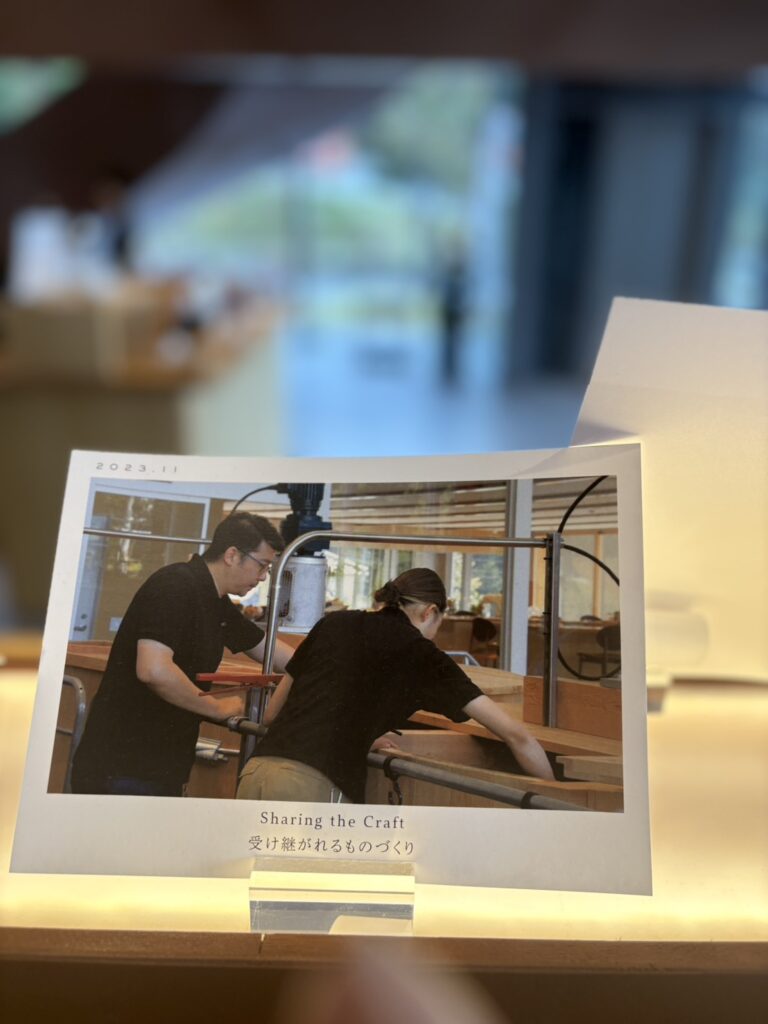
By the way, the production team at Komoro all joined as complete beginners with no whisky-making experience.
Choosing people who can be taught without preconceptions was also one of Dr. Jim Swan’s teachings.
Two Kinds of Washbacks: Wood and Stainless Steel
Komoro Distillery has ten washbacks: five wooden and five stainless steel.
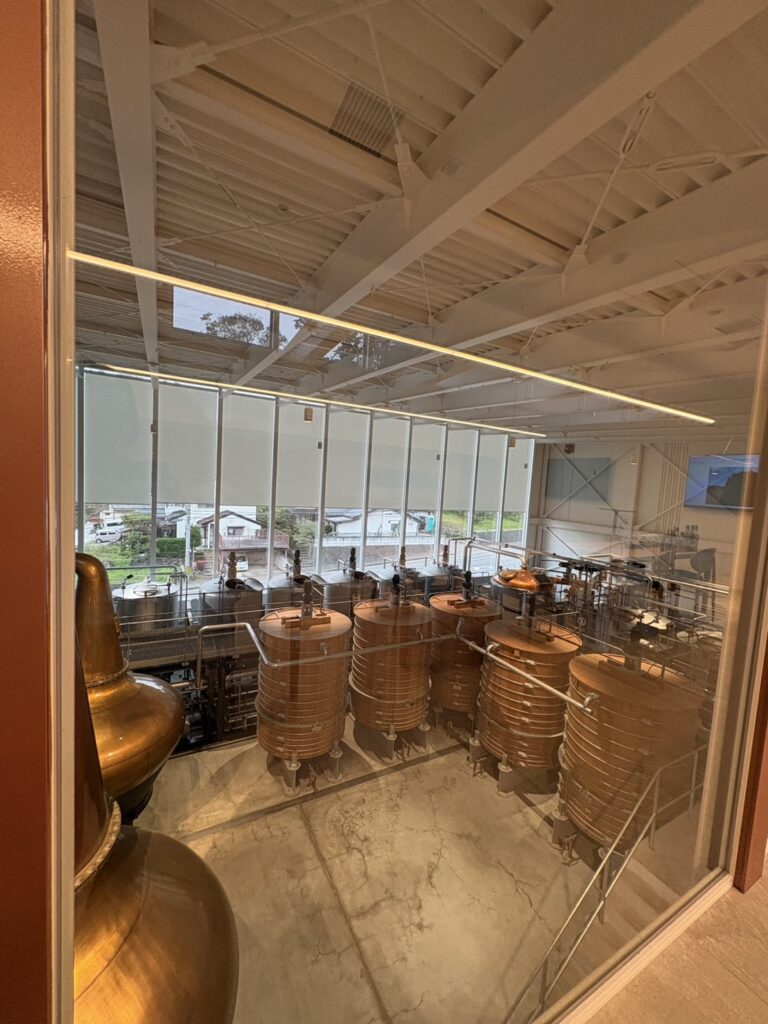
Kavalan used only stainless steel washbacks.
That is why it was Ian who suggested to President Shimaoka that they take this new opportunity to include wooden washbacks as well.
President Shimaoka actually wanted all ten to be wooden.
But starting a distillery costs a great deal of money.
So they decided to install half wooden and half stainless steel.
Now, after three years of production, Ian feels that the wooden washbacks produce much better aromas at the end of fermentation.
One reason is the work of microorganisms living on the surface of the wood.
For that reason, Komoro does not over-clean its wooden washbacks, valuing an environment where microorganisms can do their work.
Each distillation uses wash from two washbacks combined — one wooden and one stainless steel.
Fermentation takes about 72 hours.
Fermentation by yeast finishes in about 60 hours.
The remaining 12 hours are time for lactic acid bacteria and other microorganisms to work.
These fermentation techniques lead to the aromas of the new make and the oily spirit character they are aiming for.
Why Shell-and-Tube Condensers, Not Worm Tubs?
Something I had been curious about for a long time was the condensers.
Komoro Distillery is aiming for a heavy, oily spirit that can stand up to long maturation.
The pot stills: the lyne arm of the wash still is nearly horizontal, and that of the spirit still angles further downward, limiting reflux and capturing heavy, oily compounds.
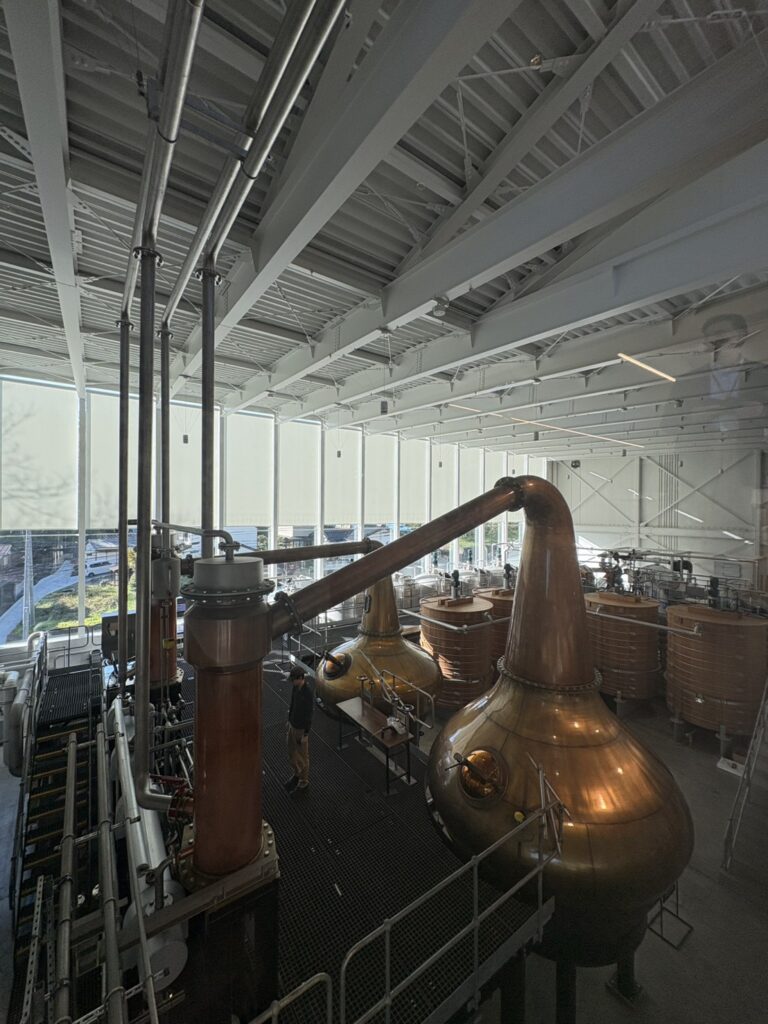
And the condensers Komoro Distillery uses are shell-and-tube.
I had a small question about this.
If you are aiming for a heavy, oily spirit, wouldn’t worm tubs be better suited?
I also had the impression that Ian values traditional whisky-making, so I was all the more curious.
Then the topic came up at the talk session.
Charles also pointed out that shell-and-tube condensers tend to produce a lighter spirit.
Dr. Jim Swan’s name came up too, and just as I thought, “I really want to hear this!”, the simultaneous interpretation cut out.
I was so curious that I asked Ian directly after the talk session.
He told me it came down to the distillery’s space and cooling efficiency.
Worm tubs need room for large water tanks, and shell-and-tube condensers cool more efficiently.
Ian said Dr. Jim Swan rated shell-and-tube condensers highly for their efficiency.
The character of the condensers is balanced by the angle of the lyne arms and by fermentation techniques, bringing the spirit closer to what they aim for.
That is how I understood it.
I see!!!
What matters is not choosing traditional equipment for its own sake, but achieving the spirit you are aiming for.
And to do that, you make decisions based on the features and constraints of the equipment.
The knowledge Ian inherited from Dr. Jim Swan, and the experience he has built up himself.
I felt that both are being put to work in whisky-making in a new place called Komoro.
The Warehouse, and the Day Anxiety Turned into Confidence
Even once the new make is ready, whisky-making is not over.
If anything, this is where the long years begin.
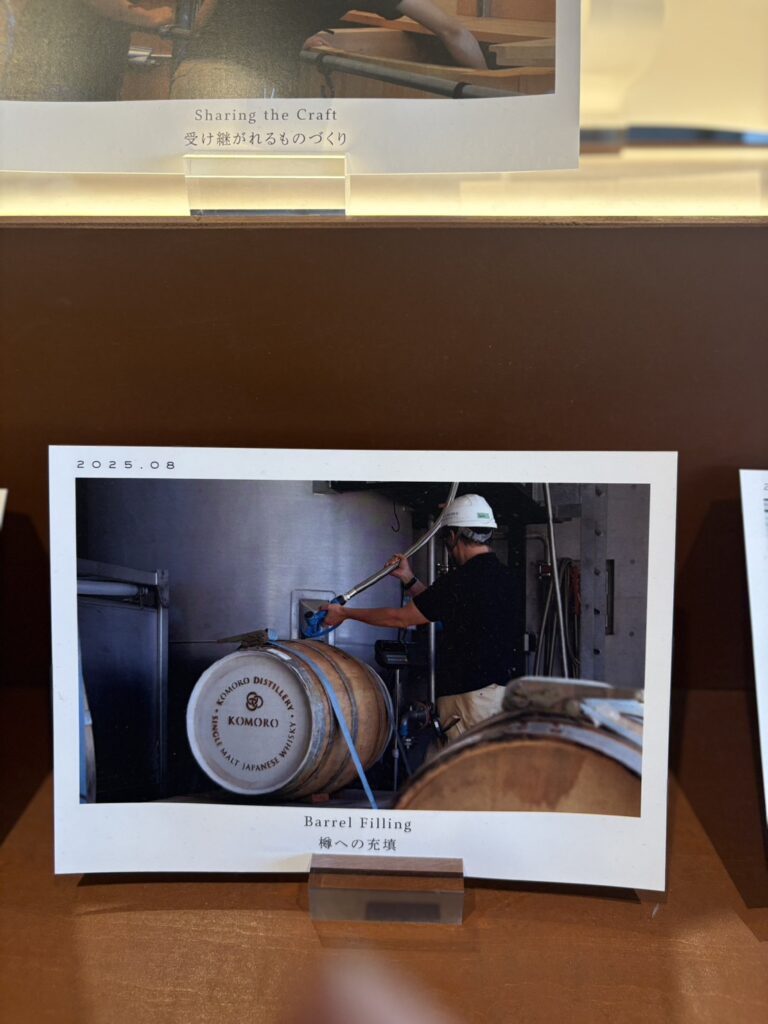
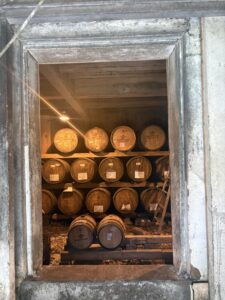
This time I was also able to tour Komoro Distillery’s warehouse.
The distillery stands at 910 meters above sea level.
The warehouse is a little higher, at 925 meters.
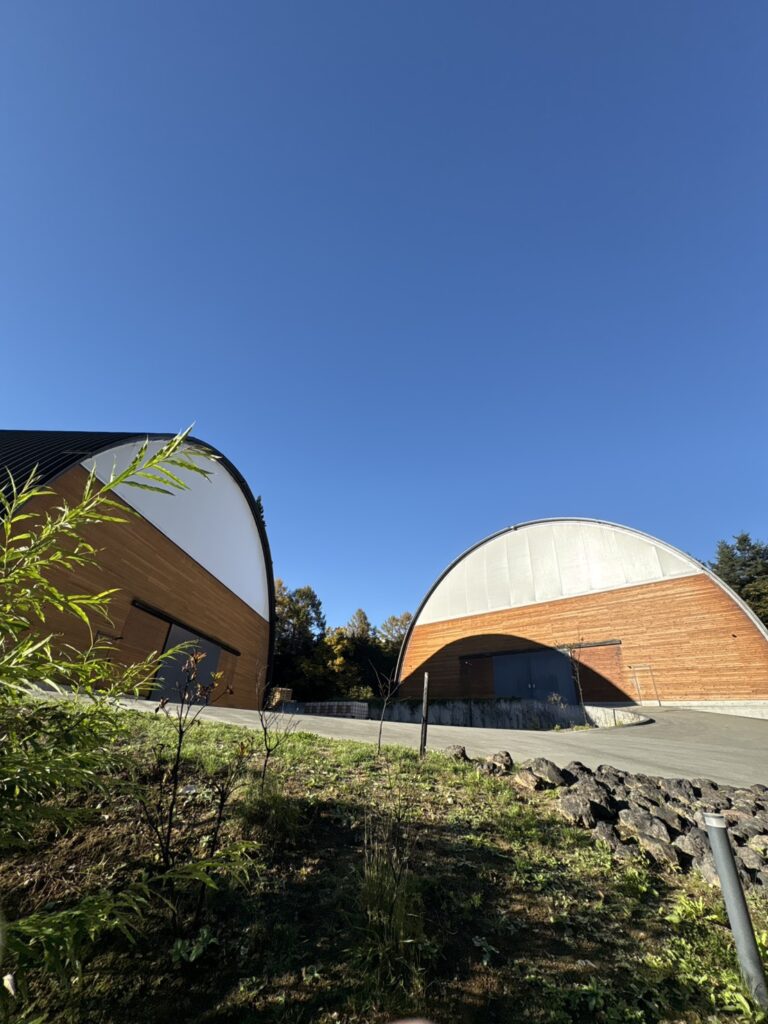
The building is a semicircular arch.
It is built to withstand heavy snow, designed so that snow slides naturally off the roof.
With no pillars inside, the floor space can be used efficiently.
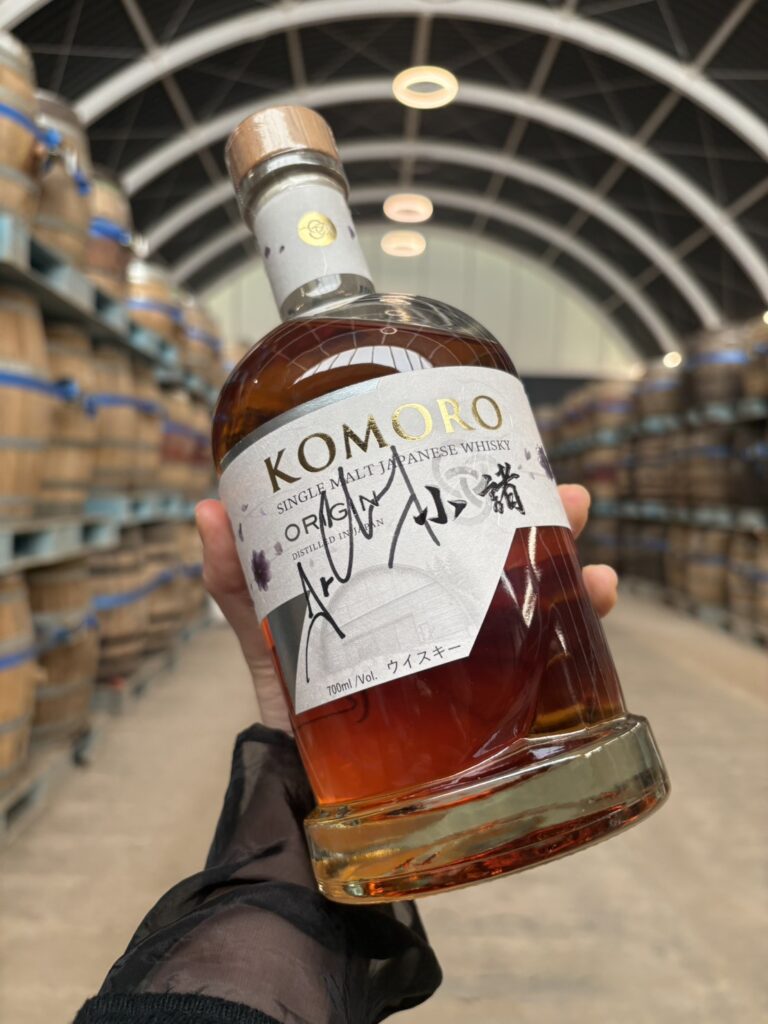
And the floor is earth.
Through the earthen floor, the warehouse connects with the outside air, taking in oxygen and humidity.
There is no air conditioning.
Day and night, summer and winter.
The whisky matures through Komoro’s large temperature swings.
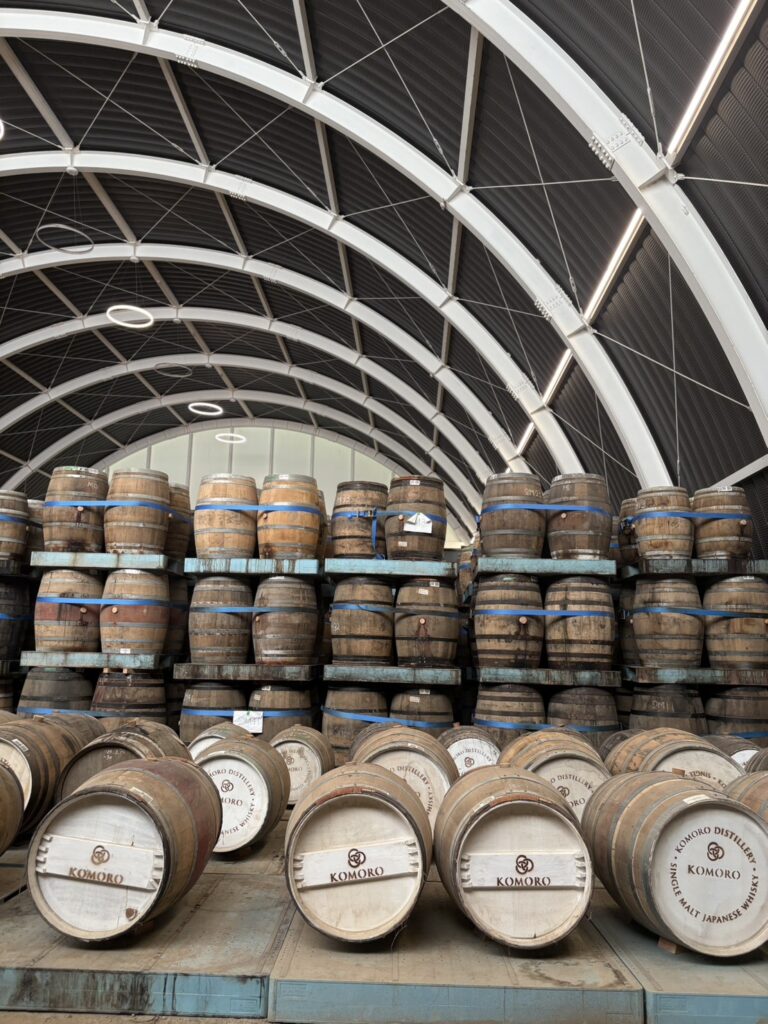
In summer the warehouse can reach around 40°C, and in winter some days fall below freezing.
The angels’ share is about 3–4% a year — close to the figure in Scotland.
Compared with around 10–12% a year at Kavalan in warm Taiwan, that is a big difference.
In Komoro, whisky is raised slowly in this environment.
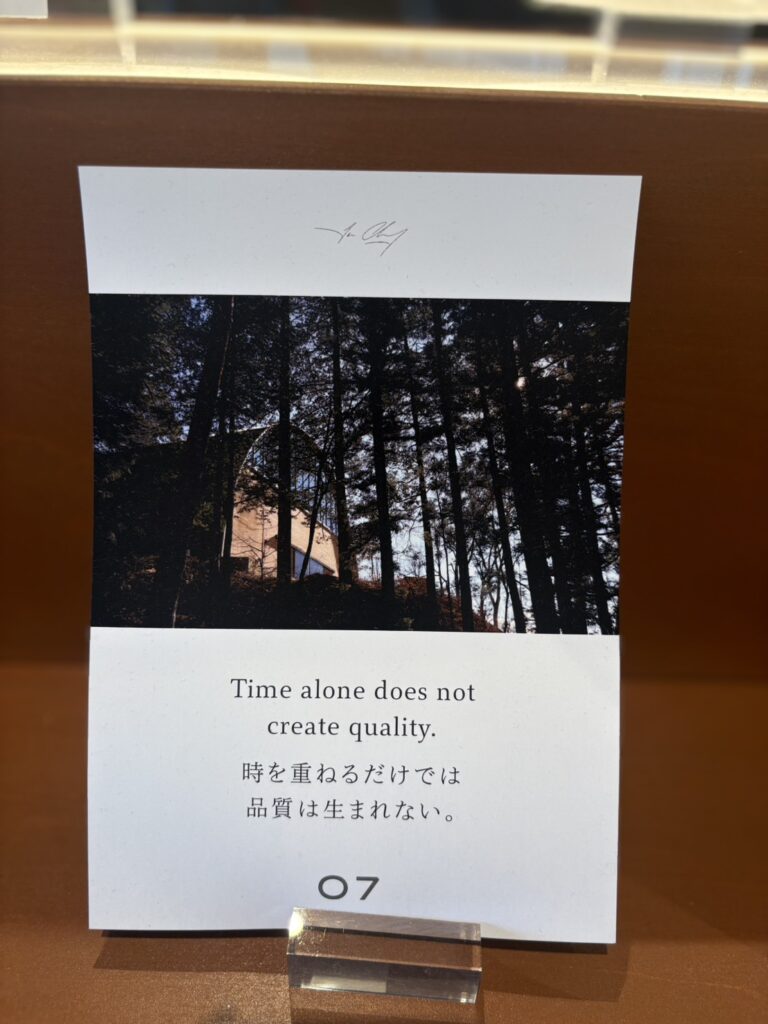
But no matter how carefully a new make is designed, maturation does not always go as planned.
Ian began to feel real confidence when the spirit had matured for about a year and a half to two years.
One day, he drew spirit from a maturing cask and tasted it.
It was in better condition than he had imagined.
It was a happy surprise, Ian said.
And he gained confidence that they were heading in the right direction.
Hearing this made me truly happy.
The days of anxiety so great he could not sleep.
The new make built through trial and error.
And the whisky growing little by little in the cask.
At last, he could feel that it was really working.
Imagining all the days before that, my heart was full.
I also wrote about Ian’s thinking on maturation in these articles.
Gentle peat to burn at Christmas – Komoro Distillery’s aging and blending philosophy
Komoro Distillery Whisky Academy: Peat, Maturation, and a Whisky World That Grows the More You Learn
Ready in Two Years — Yet They Waited One More
When Autumn reached two years, Ian told President Shimaoka and Ms. Shimaoka that they could release it right now if they wanted to.
At Kavalan, the first “Kavalan Classic” was released at two years old.
But Komoro Distillery chose to wait one more year.
There is a movement to make Japanese whisky-making better.
As part of it, they wanted to honor a minimum of three years of maturation, just as with Scotch.
And then, November 2026.
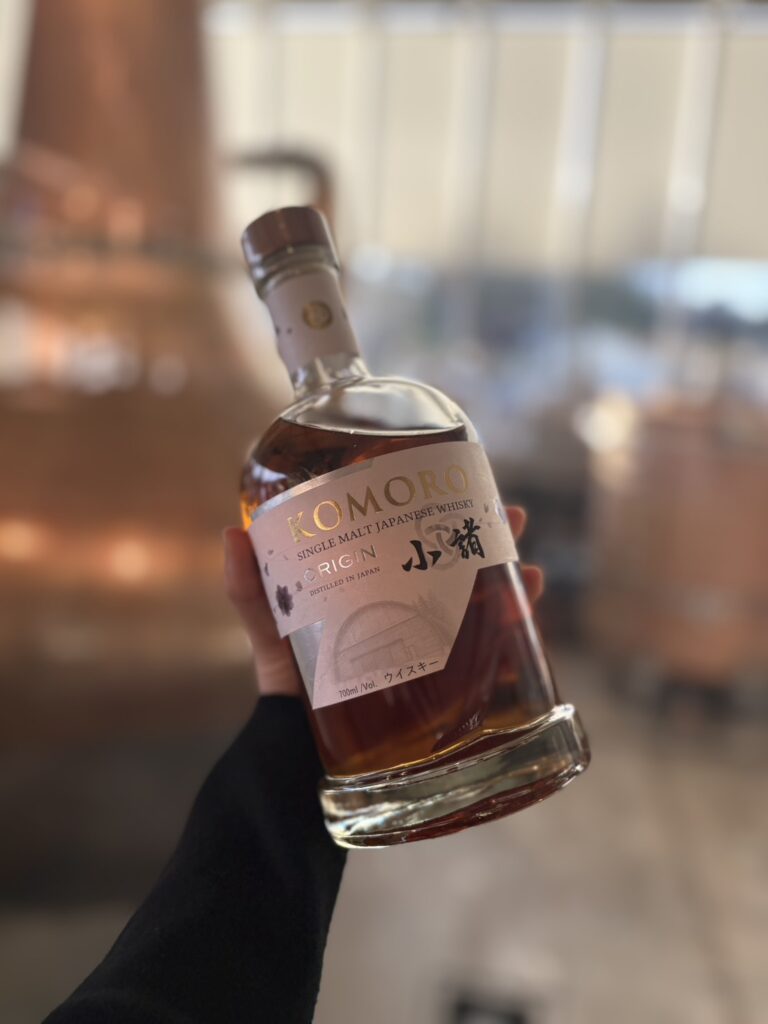
After more than three years of maturation, KOMORO ORIGIN was born.
The anxiety of those days has become a single whisky.
A Symbol of Friendship and Hope
At the end of the masterclass, Ian looked back on 2020.
How his wife had cried.
How he still decided to keep going with hope.
And how the distillery was completed, and the first whisky was born.
Now, a plan for a new distillery in Hokkaido is also moving forward.
When one hope takes shape, the next hope is born.
That is how the future connects.
To close, Ian also shared words from his favorite film, “The Shawshank Redemption.”
“Hope is a good thing, maybe the best of things, and no good thing ever dies.”
These words were also shared at the ceremony where the very first glass was poured. I wrote about that day in a separate article.
The First Glass, for His Mentor’s Daughter|Komoro Distillery Celebration Day
And Ian said this about KOMORO ORIGIN:
It is a symbol of friendship, and above all, a symbol of hope.
There is their own story in it.
Single malts are loved because there is a story behind them.
Leaving a stable job.
His wife’s tears.
Meeting new partners.
A challenge in a place without his mentor.
Anxiety so great he could not sleep.
And the days of believing and moving forward anyway.
All of it is connected to this one bottle.
And it is not Ian’s work alone.
Komoro Distillery runs around the clock, and the first shift starts at 4:30 in the morning.
In winter it can drop to minus 10 to 15°C, and in that harsh cold the team heads to work before dawn.
At the talk session, Ian also expressed his gratitude to all the staff.
This is teamwork, he said, and he is something like the coach.
Here, there was one more phrase that stayed with me.
One generation plants the trees; the next enjoys the shade.
I introduced these words before in the “Legacy” article. At this masterclass, too, Ian began his talk with them.
And this time, there was more.
KOMORO ORIGIN is the first fruit to grow on that tree.
Whisky-making does not always come to completion within one person’s lifetime.
The trees we plant now grow and bring joy to someone decades from now.
The makers’ feelings pass across time to the next person.
What a wonderful drink whisky is.
What Comes Next from Komoro
KOMORO ORIGIN is the first of the four core-range whiskies Komoro Distillery plans to release.
In the Q&A after the masterclass, upcoming releases were also discussed.
According to Ian, the second is planned for summer 2027, the third for around Christmas 2027, and the fourth for spring 2028.
Of course, these may change depending on how the spirits mature.
Even so, hearing such concrete plans makes me even more excited for what is ahead!
Separate from the four core-range whiskies, small-batch limited bottlings and seasonal whiskies are also being planned.
Ideas that capture the Japanese seasons were also shared, such as casks made from cherry wood in spring and a whisky connected to chestnuts in autumn.
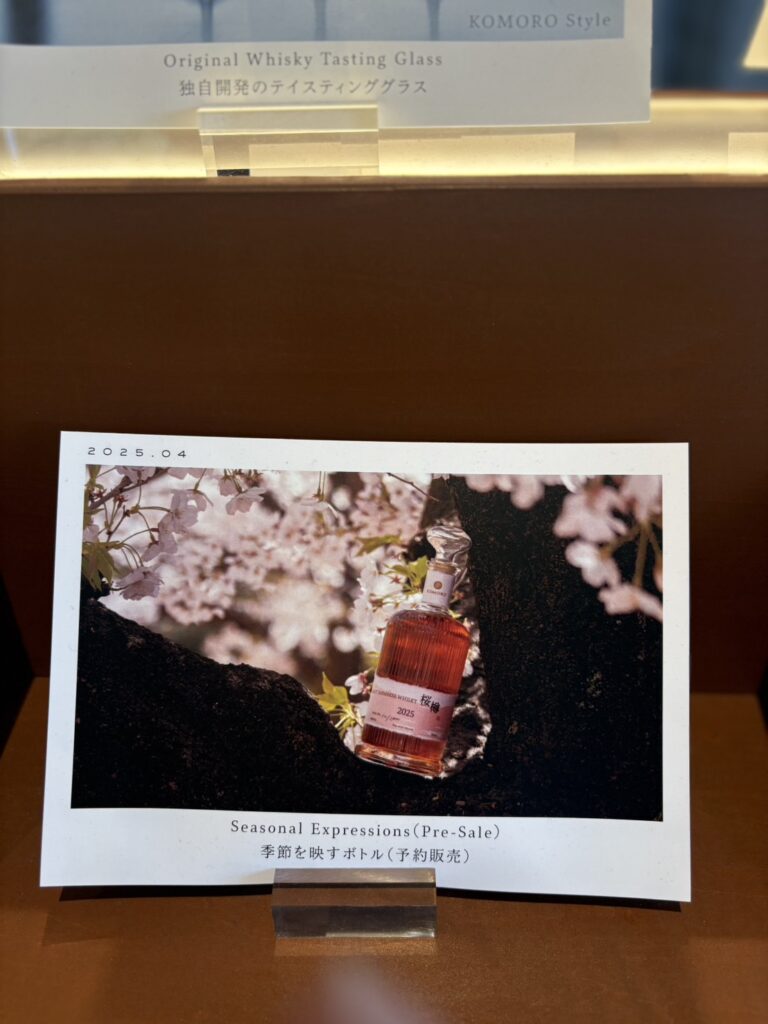
These are plans as of now.
The core range will keep each basic recipe while adding years of maturation.
3 years, 5 years, 8 years, 10 years.
He also talked about the idea of putting an age statement on the label for the first time only once the whisky reaches 12 years.
For Ian, whisky is like a child.
From three to five years old, and beyond.
How will it grow?
He said he hopes not only the makers but drinkers, too, will join that journey.
There is a face you can taste only now, at three years old.
And five years from now, it may show yet another expression.
We drinkers can follow that change together.
KOMORO ORIGIN is exactly that starting point.
A Story That Begins with KOMORO ORIGIN
Ian has one more wish.
That people around the world will drink Komoro whisky, become interested in this place, and actually visit.
Connecting people and places through whisky.
So that when people hear “Komoro,” they think not only of soba noodles but of whisky, too.
November 2026.
I was able to witness that beginning.
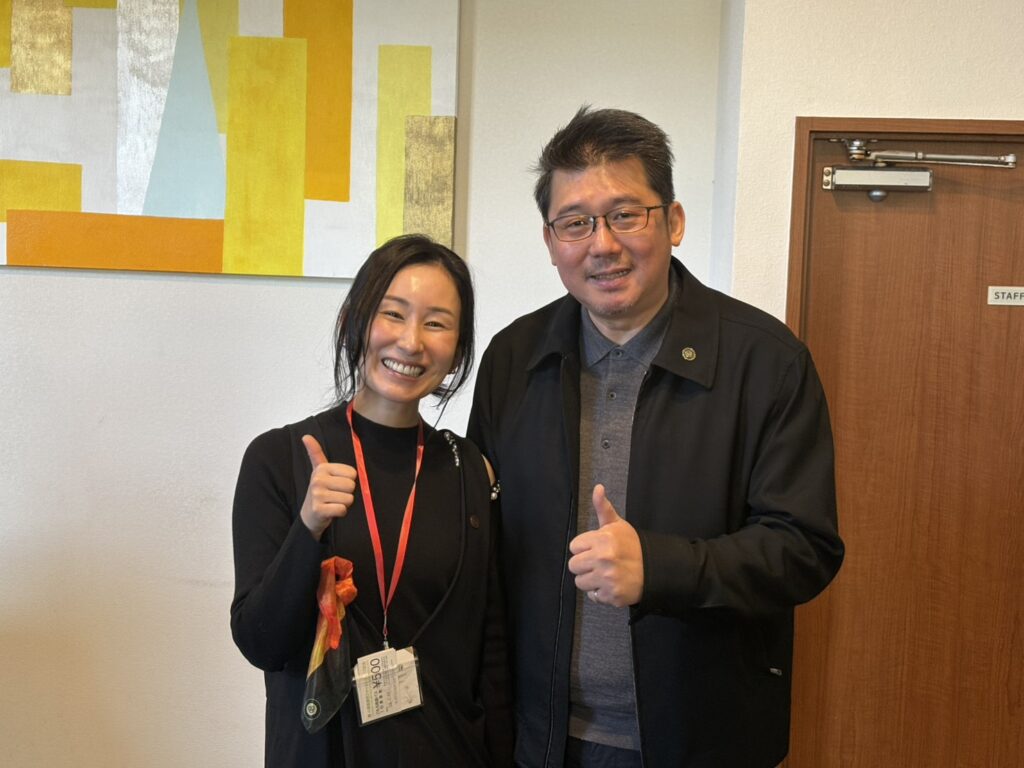
If those three had not met in 2020.
If Ian had given up on a new challenge.
If he had not kept going despite his anxiety.
This bottle might never have been born.
KOMORO ORIGIN.
Just as the name says, this is the origin.
And the first page of a story that will continue for decades to come.
Ian, President Shimaoka, Ms. Shimaoka, and everyone at Komoro Distillery:
Congratulations on your first release!!!
How will this whisky grow from here?
I am so, so excited, and I will keep cheering you on from Hiroshima💛
Whisky and rum taste even better when you know the hearts of the people who make them.
Every encounter is meant to be. Welcome to the world of Rum&Whisky.
Related Articles
- The First Glass, for His Mentor’s Daughter|Komoro Distillery Celebration Day
- Komoro Distillery Whisky Academy: Peat, Maturation, and a Whisky World That Grows the More You Learn
- Who Is Ian Chang? What the World-Class Blender Behind Kavalan and Komoro Distillery Told Me
- “You Don’t Need Experience” — Ian Chang, from Kavalan to Japan (Part 4, final)
- Gentle peat to burn at Christmas – Komoro Distillery’s aging and blending philosophy
- Komoro Distillery: New Make That Smells of Peaches, and Water That Takes Fifty Years to Surface
- Ian Chang Tasting|The Night Whisky Was Our Only Common Language
- Legacy — What Ian Chang Brought from Kavalan to Komoro
- What Is Kavalan? Taiwan’s World-Class Whisky and the Story of Ian Chang
- The “Harmony” I Witnessed at Komoro Distillery: Ian Chang and the Road to a Japanese Whisky Powerhouse (Nagano, Japan)
- Komoro Distillery Festival 2026: A Story of “Connection” Tied by Whisky — Asaka, Kanosuke and Komoro with Ian Chang (Nagano, Japan)
[About the author]
Mika Tanimoto
CEO, Little.m Inc. / Owner-bartender
Since 2006, I have run Bar Little Happiness, a whisky and rum bar in Nagarekawa, Hiroshima. I visit distilleries in Japan and around the world and write about the people who make the spirits. Recipient of the Hiroshima City Excellent Skilled Worker Award.
“Whisky and rum taste even better when you know the hearts of the people who make them.”
[Visit the bar] 📍 Bar Little Happiness
Rolling Nagarekawa 1F, 5-14 Nagarekawa-cho, Naka-ku, Hiroshima
Mon–Sat 7:00 pm – 12:30 am / Sun 7:00 pm – 12:00 am (closed when I travel to visit distilleries)
No cover charge, no reservation needed