
Floor Malting at Chichibu: A Pilgrimage to the Home of Ichiro’s Malt
2026.2.13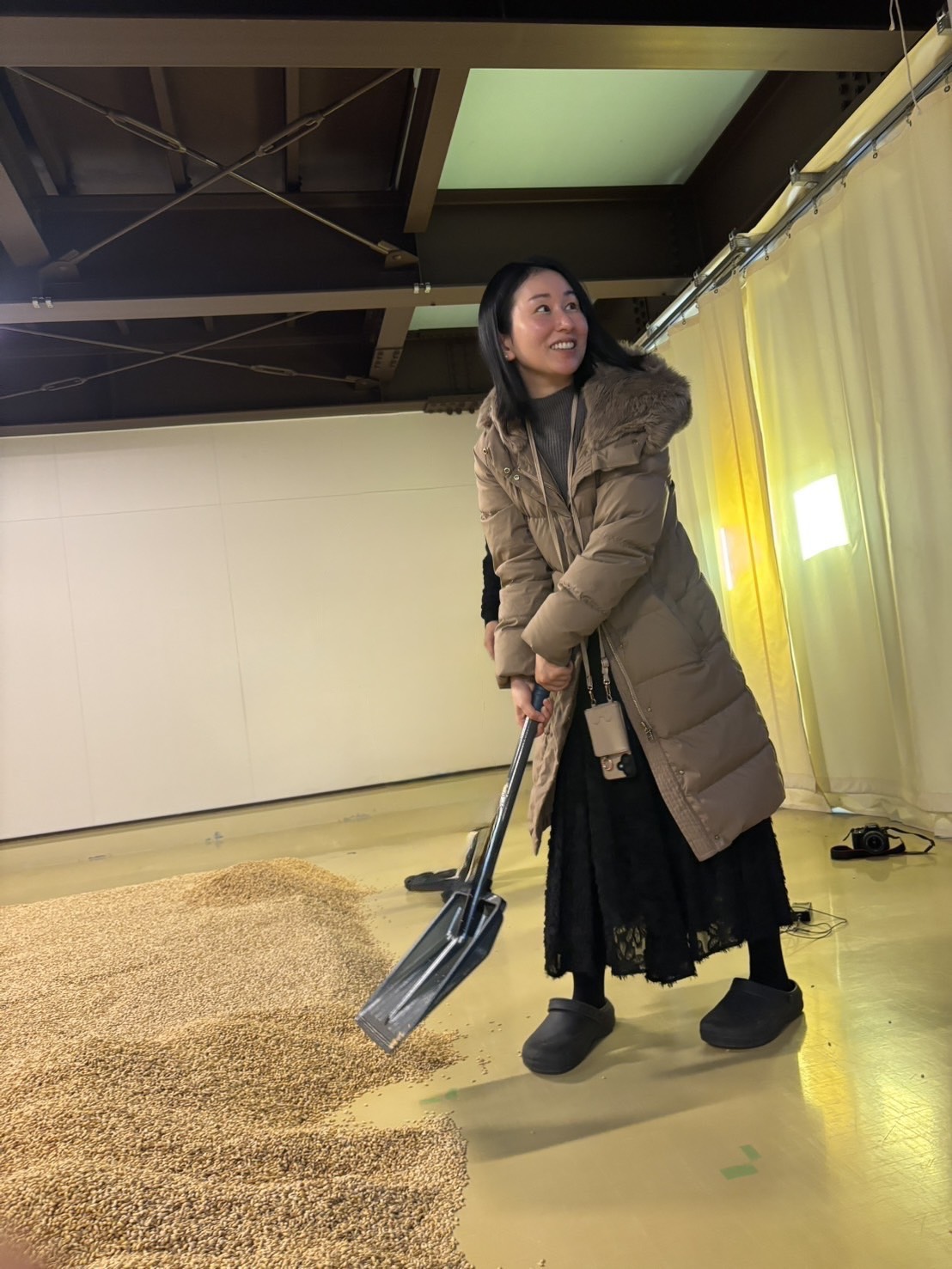
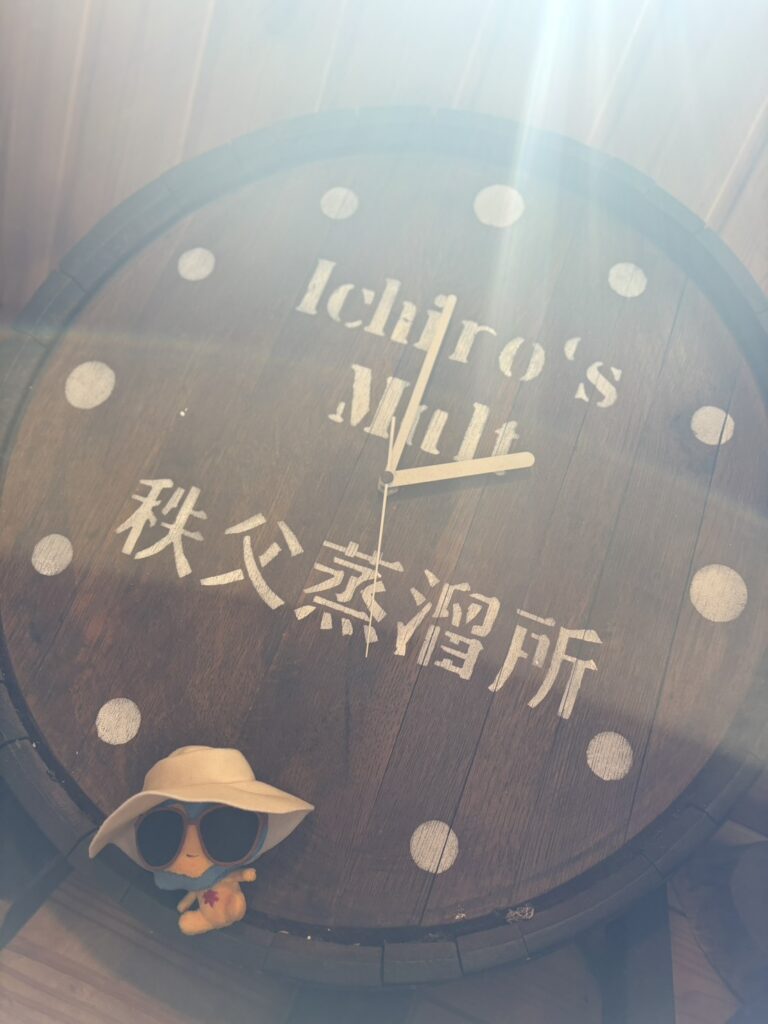
A pilgrimage, with bartenders from other prefectures and people who run distilleries of their own: we went to Chichibu.
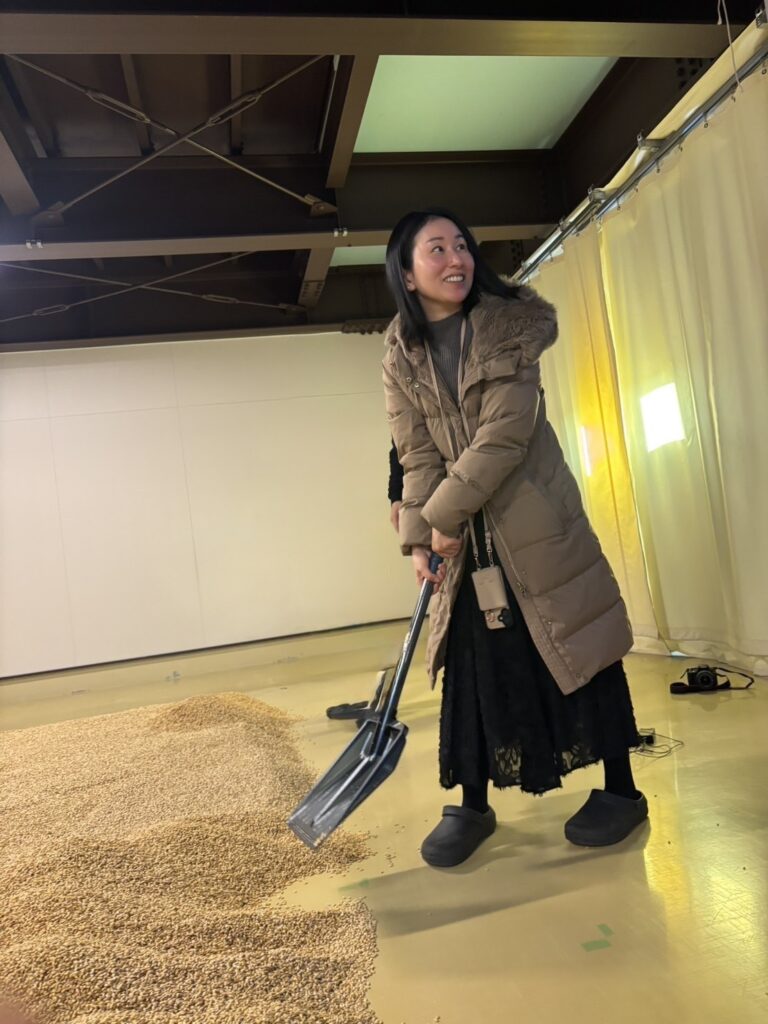
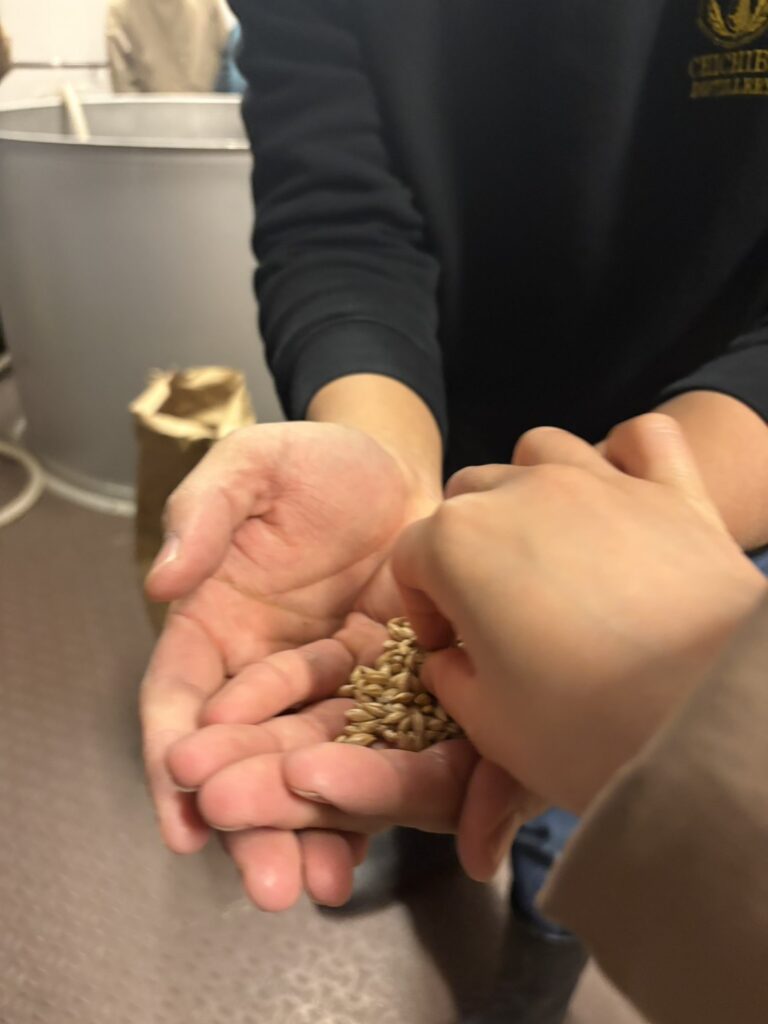
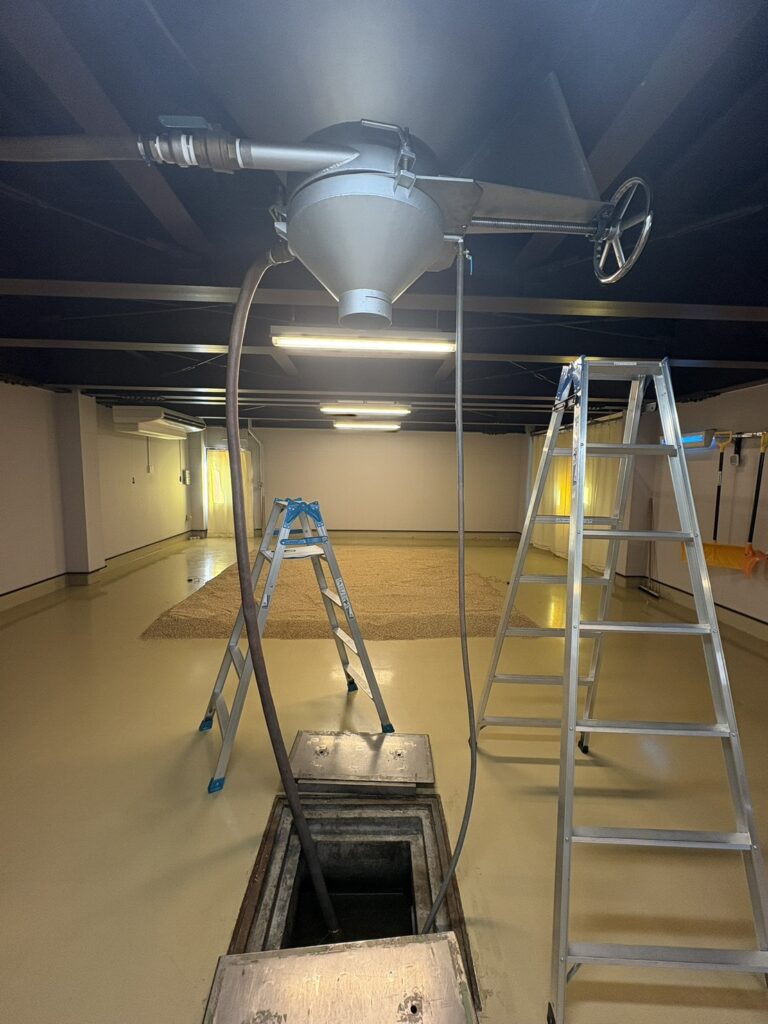
And at Ichiro’s Malt, the name leading Japanese whisky today, they let us try floor malting ourselves. For someone in their corner the way I am, that’s a once-in-a-lifetime piece of luck.
I don’t have words for it.
The staff member showing us round said: people who love whisky have come all this way, so surely they’d enjoy having a go — and led us onto the malting floor.
Thank you, seriously.
What floor malting actually is
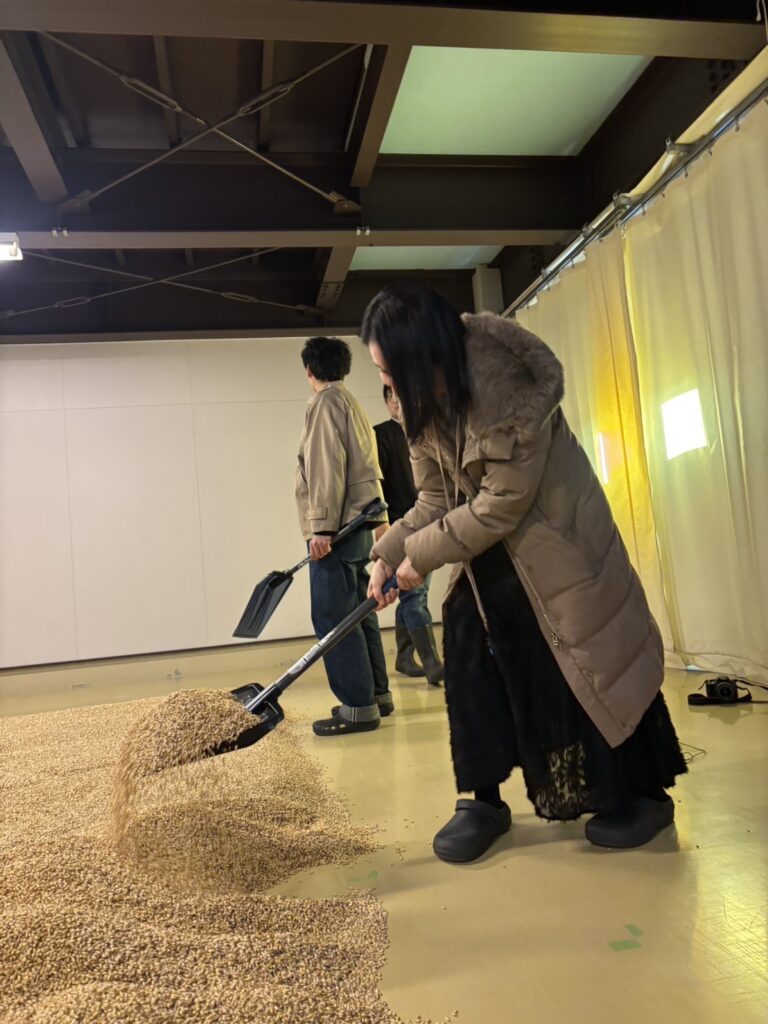
Floor malting, put simply, is the traditional way of making malt: spread barley across a floor and turn it by hand while it germinates.
To make malt, barley has to be steeped in water and allowed to sprout. These days that’s normally managed by machine, efficiently.
Floor malting means a person turning all of it by hand — enormously laborious, and physically hard.
Which is why almost every company has abandoned it, and why it has become extremely rare anywhere in the world.
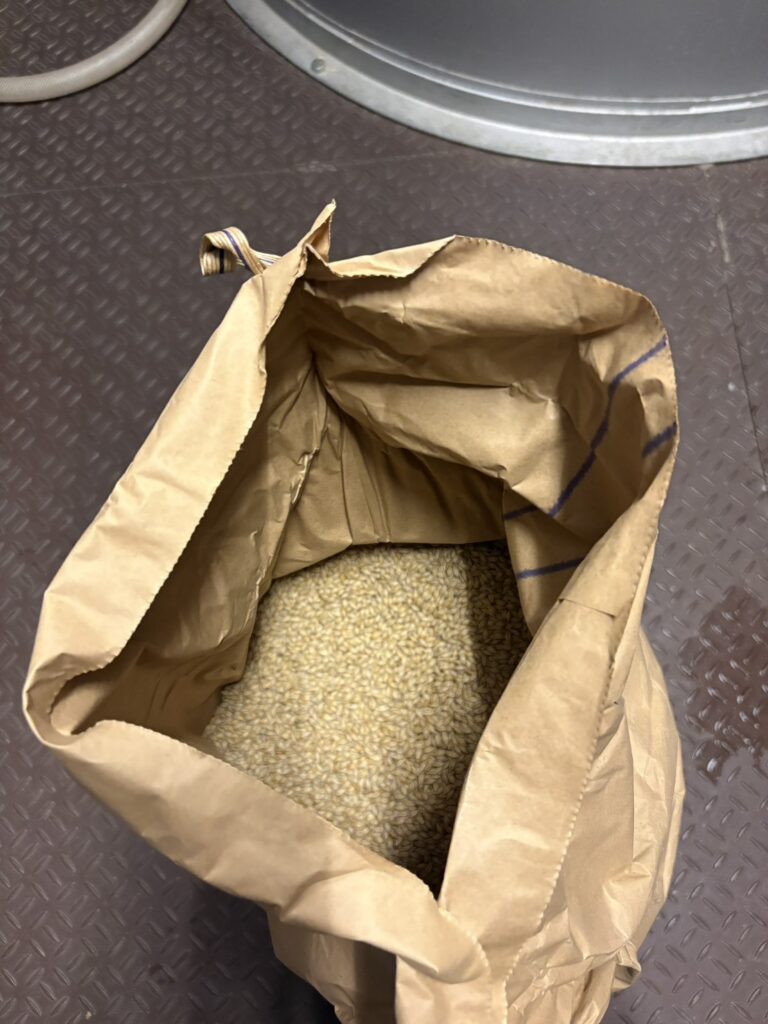
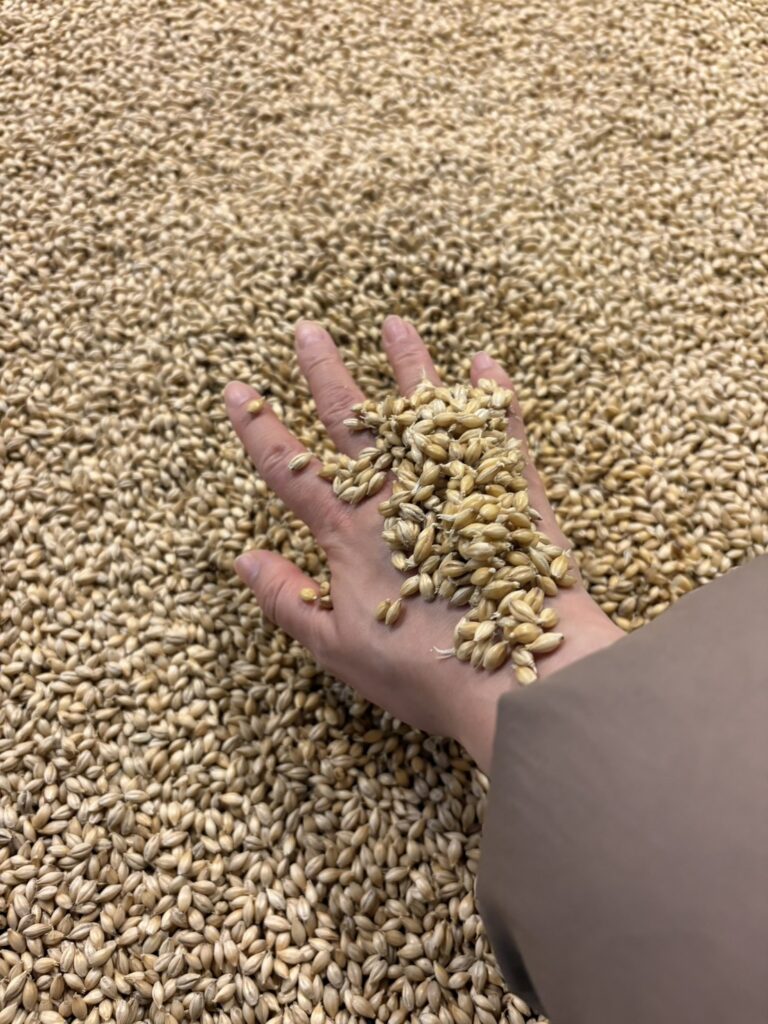
So why keep doing something this inefficient?
Of the malt used at Chichibu’s first distillery, around 7 to 8% is malted in-house.
They keep this slow, laborious method going, and the staff gave us three reasons why.
- Respect for the tradition, and the romance of it.
Working from the idea of going back to the tradition, they find value in reproducing the old method with their own hands — in the act itself.
- Unevenness, and the complexity you can’t calculate for.
Machines make it uniform. Hands don’t — turn the barley by hand and the germination goes slightly uneven.
That unevenness, they believe, is precisely where the complexity comes from — something no machine can produce.
- An old variety, and what makes them theirs.
Golden Melon, the barley variety that dominated in Yamazaki Distillery’s early years.
It yields less alcohol than modern varieties. They revived it anyway, and grow it with contracted farmers.
Because they hold the malting skill themselves, they can keep using an old variety like this — the thing that sets the brand apart — without being pushed around by what’s fashionable.
An answer that made me sit back and go: ah, of course.
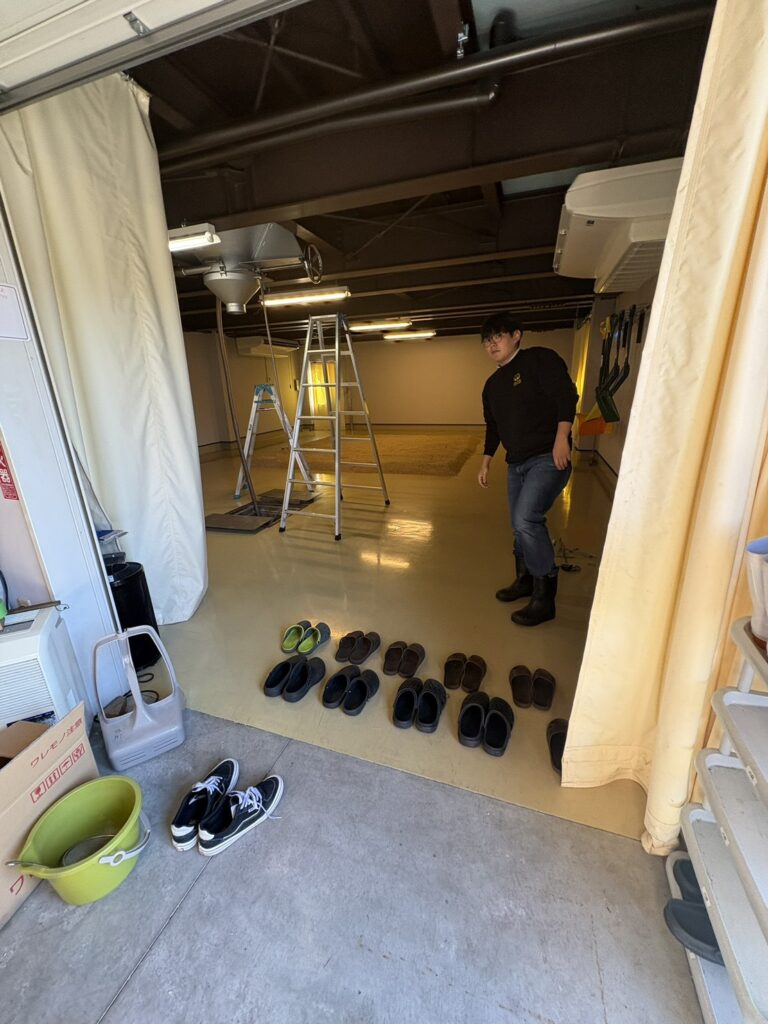
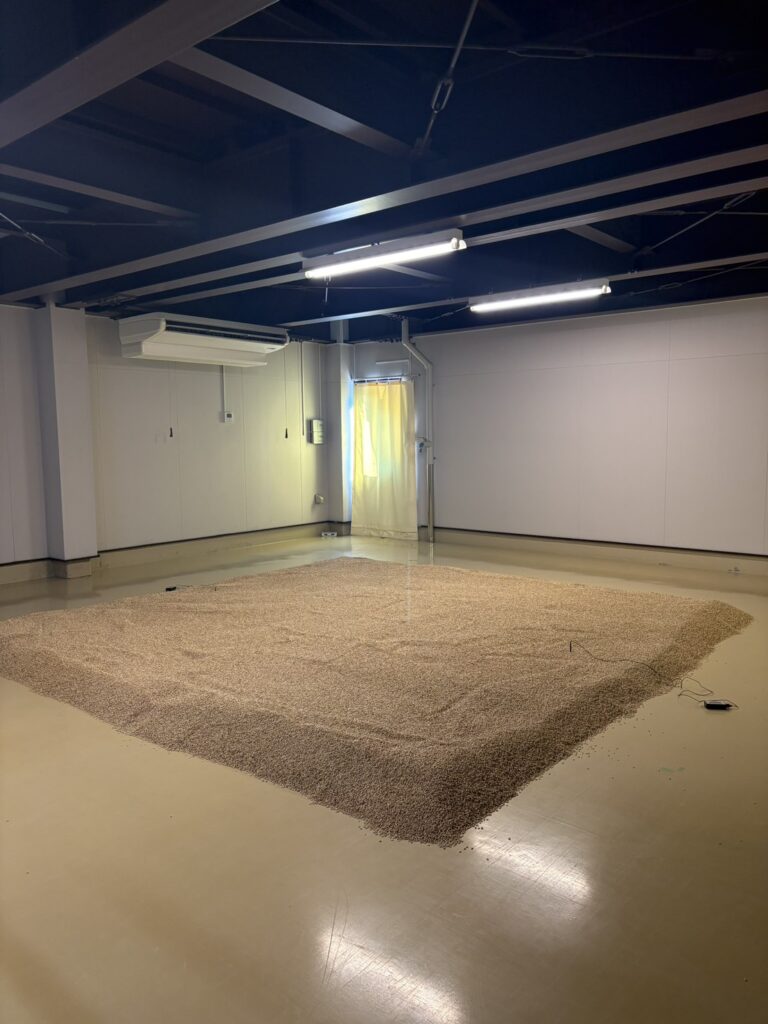
A regard for the person who will drink it, running all the way through
There’s a story about the early days of Ichiro’s Malt: Ichiro Akuto going from bar to bar, one at a time, having owners and bartenders taste the whisky, and selling it that way.
During our visit, staff who were in the middle of their own work kept coming over to say hello, one after another.
You could feel it running through the place: a regard for bartenders, and for the people beyond them who will drink it.
Every one of them is imagining whose hands the whisky will pass through, and how it will be enjoyed. That’s what makes the courtesy natural, and also particular.
This isn’t a matter of internal communication systems. Something deeper had soaked through the whole floor: pride in what they make, and respect for whoever receives it.
They’ve grown to this size and that spirit still runs through the air there. It moved me.
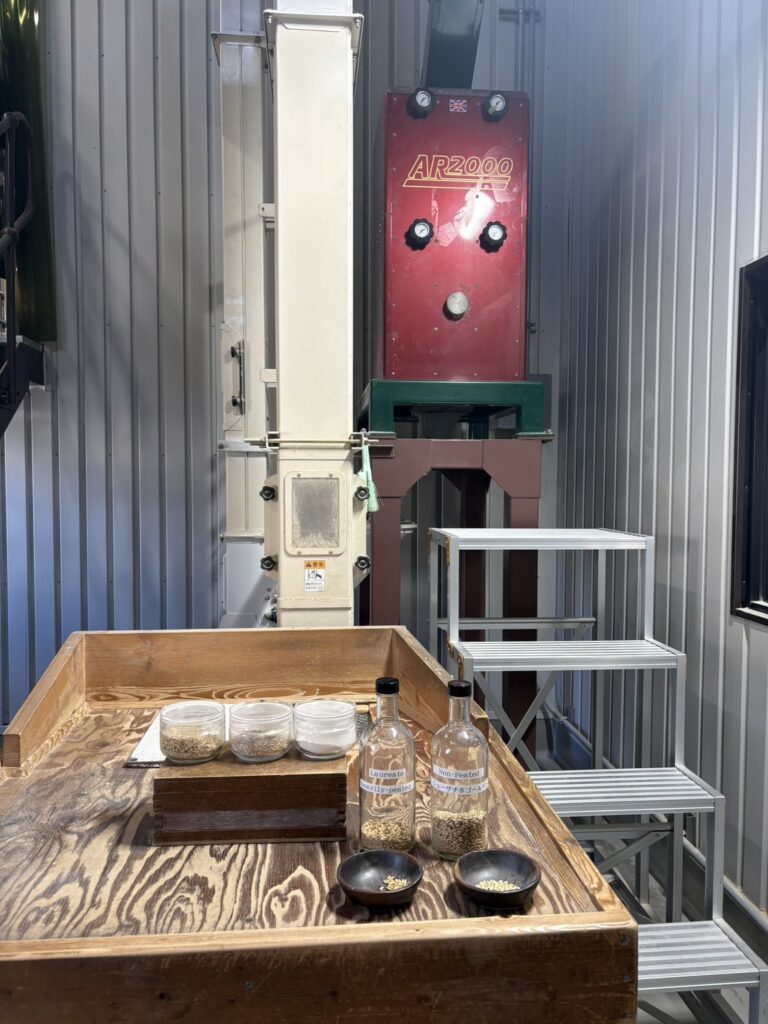
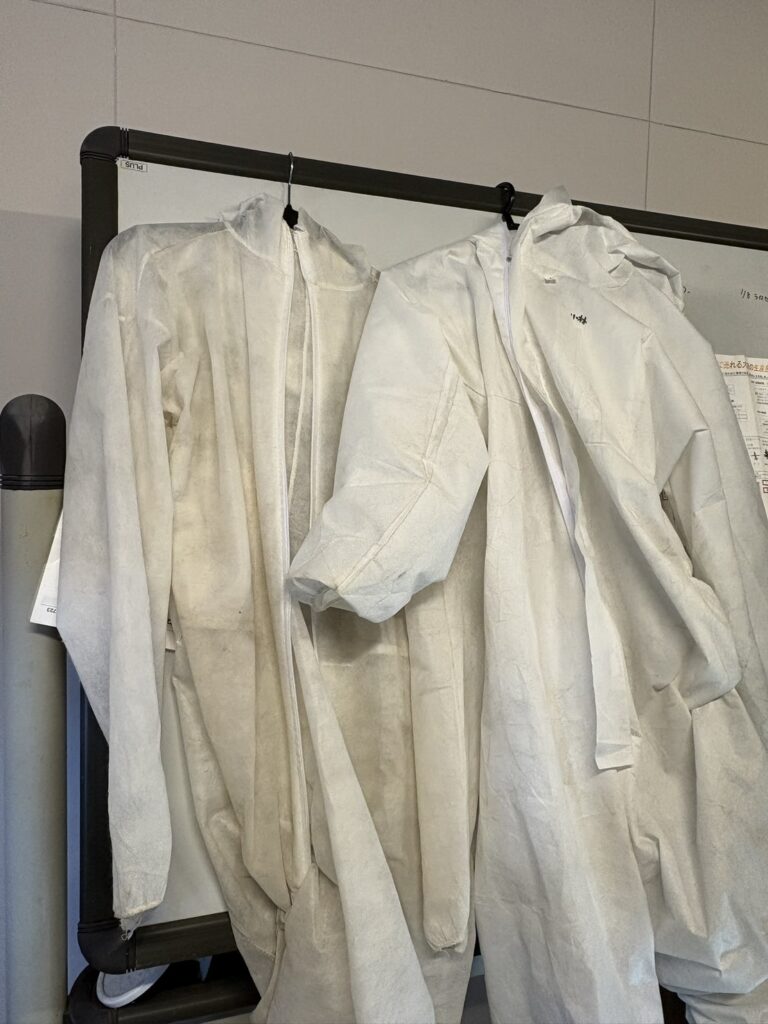
The staff member guiding us answered the harder questions in his own words, not from any manual, and answered them properly.
Reading the liquid level in the underback to judge whether the mash bed has set. How to hit the traditional Scottish 2:7:1 grist ratio. That kind of thing, and more, and more…
Honestly, my grasp of the production process is rough at best, so most of the technical exchange went past me.
I’d love to pass it on to you. I’m sorry.
But going round with professionals, with people who see it differently from me, the distillery looked entirely new, and the resolution came up about five times faster than it would have alone.
A year from now, I should understand whisky a little more deeply, and be better at handing it over to you.
Shu-ha-ri, and finding what makes them themselves
One phrase the founder, Ichiro Akuto, holds to is shu-ha-ri.
It comes from the traditional Japanese arts, and describes three stages: shu, keeping to the form you were taught; ha, breaking from it; and ri, leaving it behind to find your own.
Akuto had joined the family firm, Toa Shuzo, to take it over, and worked to turn it around. In the end the company was sold, and the new owners decided to withdraw from a whisky business that wasn’t paying.
He took on every cask of maturing spirit that was about to be destroyed, and founded Venture Whisky — the company behind Ichiro’s Malt — in 2004.
Keep to the traditional method absolutely, learn from it, and out beyond that find what is your own. That humility, and the aesthetic behind it, filled the place.
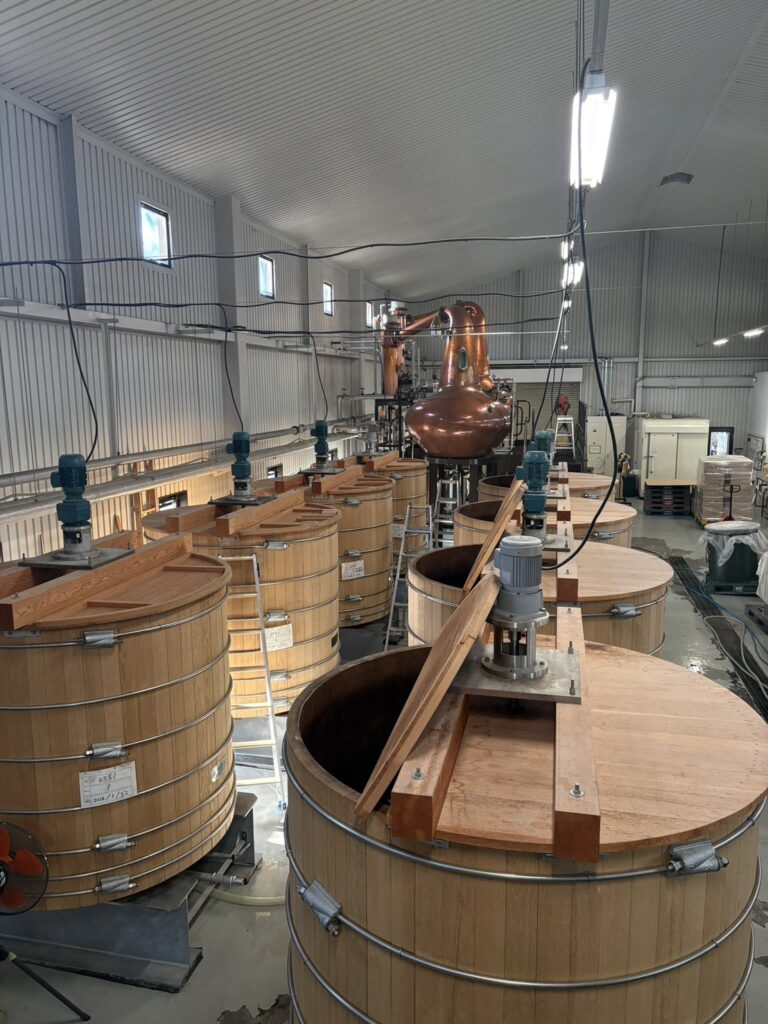
The mizunara washbacks — said to be the only ones in the world — and the use of lactic fermentation to reach something clean and rich: that comes from the same place.
I first visited around 2008 or 2009.
Before the Card Series had drawn worldwide attention, when you could drink it freely in the lobby. Unthinkable now, and extravagant beyond words.
Nobody imagined a future where a complete set of all 54 would sell for ¥160 million.
I’d like to go back and shout at the version of me who was too tired from travelling to drink much. And the honest, unshowy making that hasn’t changed since then is exactly what built the legend.
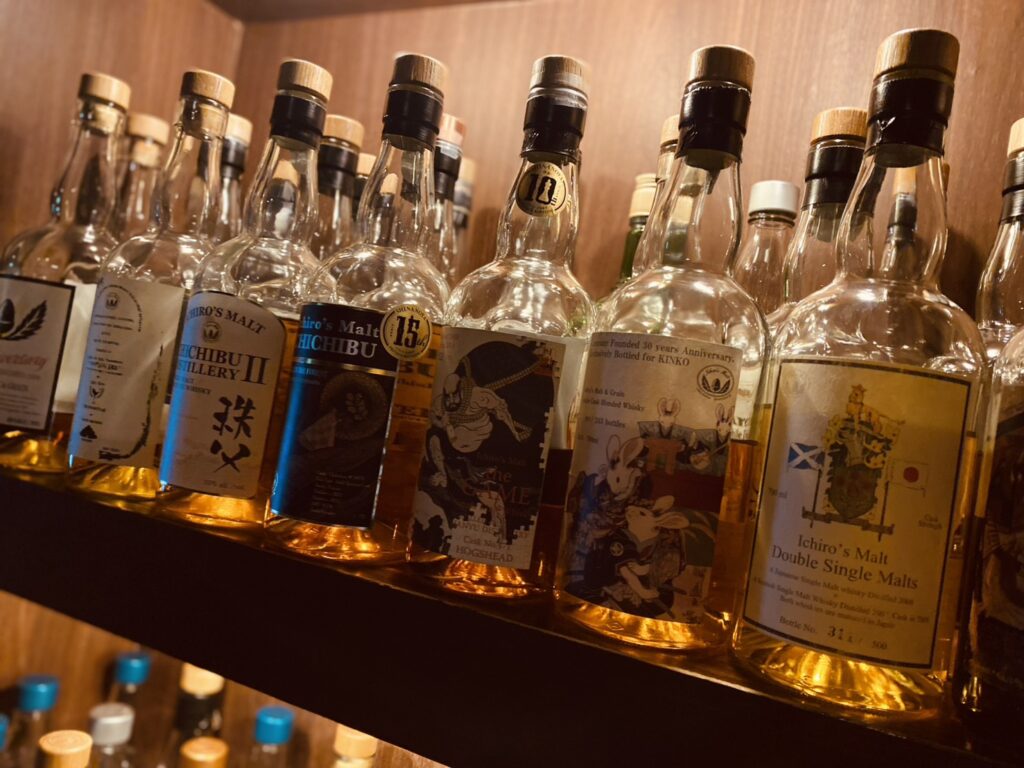
My current favourite from Ichiro’s Malt, by the way, is the new Double Distilleries.
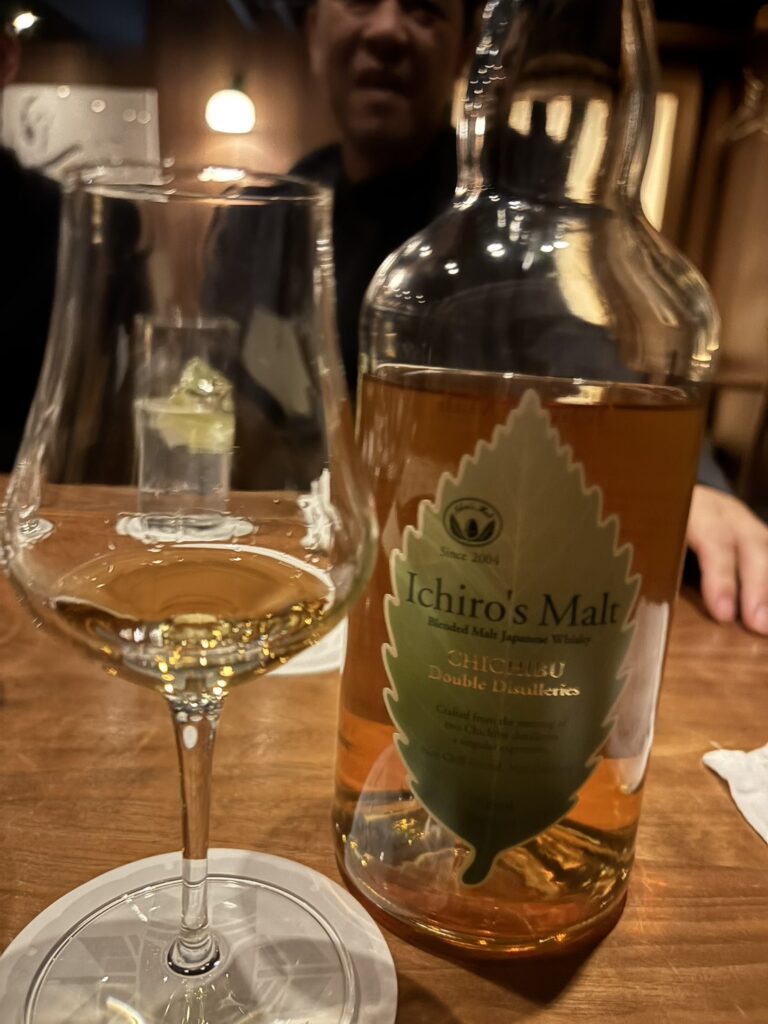
I loved the previous DD so much that I hadn’t got round to the new one. Then I had it at a bar in Tokyo recently, and it was startling — a clean, beautiful whisky.
Fruity and fresh. It would take a highball well, I think. (Ours arrives tomorrow.)
To everyone at Chichibu Distillery, and to the professionals I went round with.
Thank you, truly, for a day like that.
Whisky and rum taste better when you know the hearts behind them.
Every encounter is meant to be. Welcome to the world of Rum & Whisky.
【A note from Mika】 This article is built on my own visit to the distillery, but parts of it are my own reading and interpretation. Please take it as one whisky lover thinking out loud.
Related posts
Ichiro’s Malt Chichibu The Double Distilleries
Ichiro’s Malt 20th Anniversary|What’s Actually in the Bottle
Whisky and rum taste better when you know the hearts behind them.
[About the author]
Mika Tanimoto
CEO, Little.m Inc. / Owner-bartender
Since 2006, I have run Bar Little Happiness, a whisky and rum bar in Nagarekawa, Hiroshima. I visit distilleries in Japan and around the world and write about the people who make the spirits. Recipient of the Hiroshima City Excellent Skilled Worker Award.
“Whisky and rum taste even better when you know the hearts of the people who make them.”
[Visit the bar] 📍 Bar Little Happiness
Rolling Nagarekawa 1F, 5-14 Nagarekawa-cho, Naka-ku, Hiroshima
Mon–Sat 7:00 pm – 12:30 am / Sun 7:00 pm – 12:00 am (closed when I travel to visit distilleries)
No cover charge, no reservation needed