
The “Harmony” I Witnessed at Komoro Distillery: Ian Chang and the Road to a Japanese Whisky Powerhouse (Nagano, Japan)
2026.10.05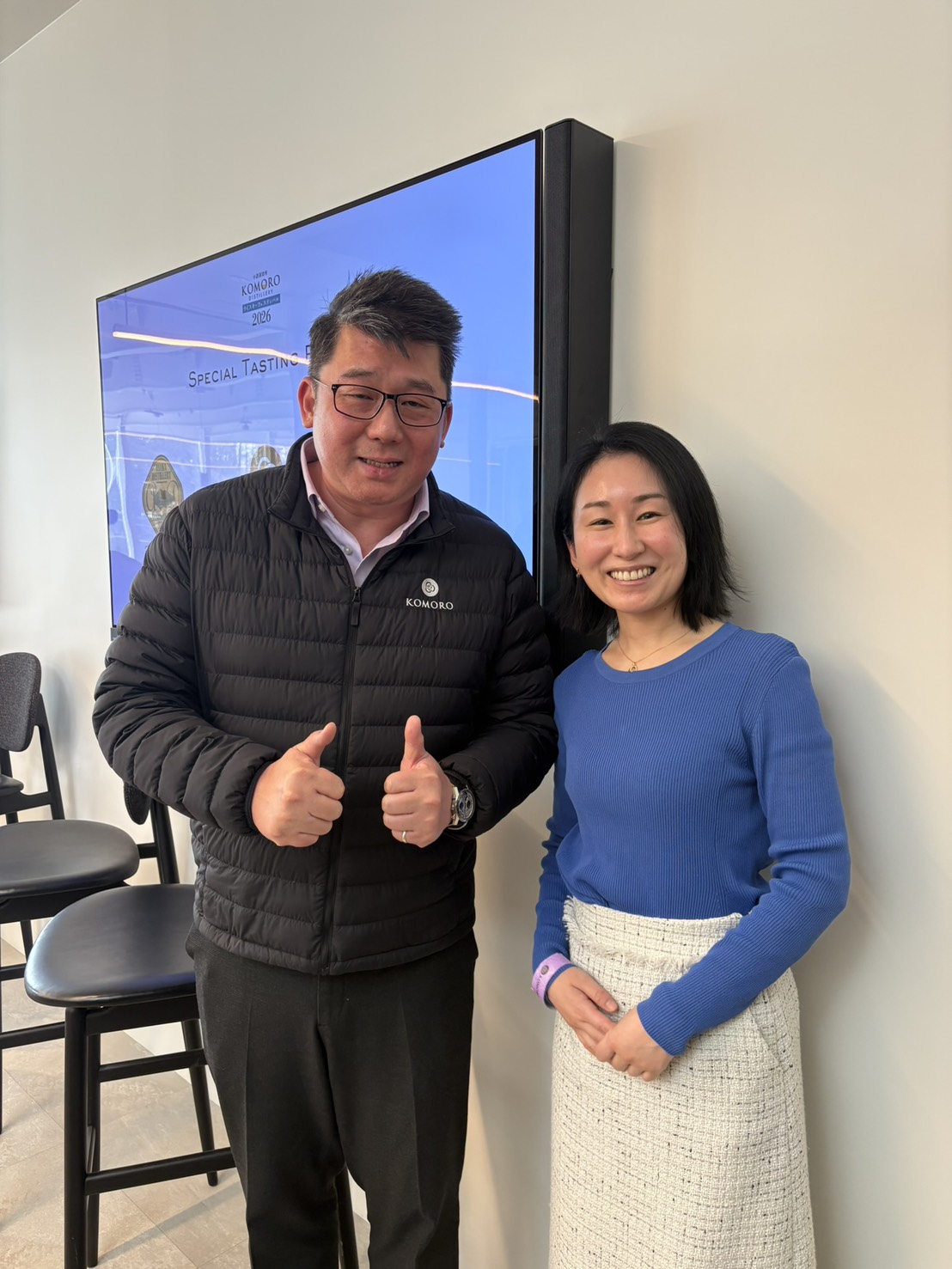
In short: what is the “harmony” I witnessed at Komoro Distillery in Nagano, Japan? Master blender Ian Chang, who led Kavalan to world fame, came to Komoro at 910 metres to make age-statement whisky. His “artistic conception,” art and science half-and-half, STR casks from his mentor Dr. Jim Swan, a “spectrum” of new makes — and a two-year-old spirit at 46% with almost no new-make notes. Plus the big ambition of the KDI group, aiming to become Japan’s No. 3 producer. Part 2 of my Komoro Distillery Festival 2026 report by Mika Tanimoto, owner of Bar Little Happiness in Hiroshima.
Komoro Whisky Festival 2026.
Sadly, tickets for the seminar by master blender Ian Chang were sold out, so I could only hear him speak in person on stage at the “three-distillery cross talk.”
So my chances to learn about Komoro Distillery in depth were limited. But on top of the tasting experience on site,
by digging into interviews in overseas media and the latest sources, and connecting them with the “atmosphere” I felt there,
I want to put together “Komoro Distillery” as I came to see it, from my own point of view.
(*Please read this on the understanding that it contains a lot of personal impressions.)
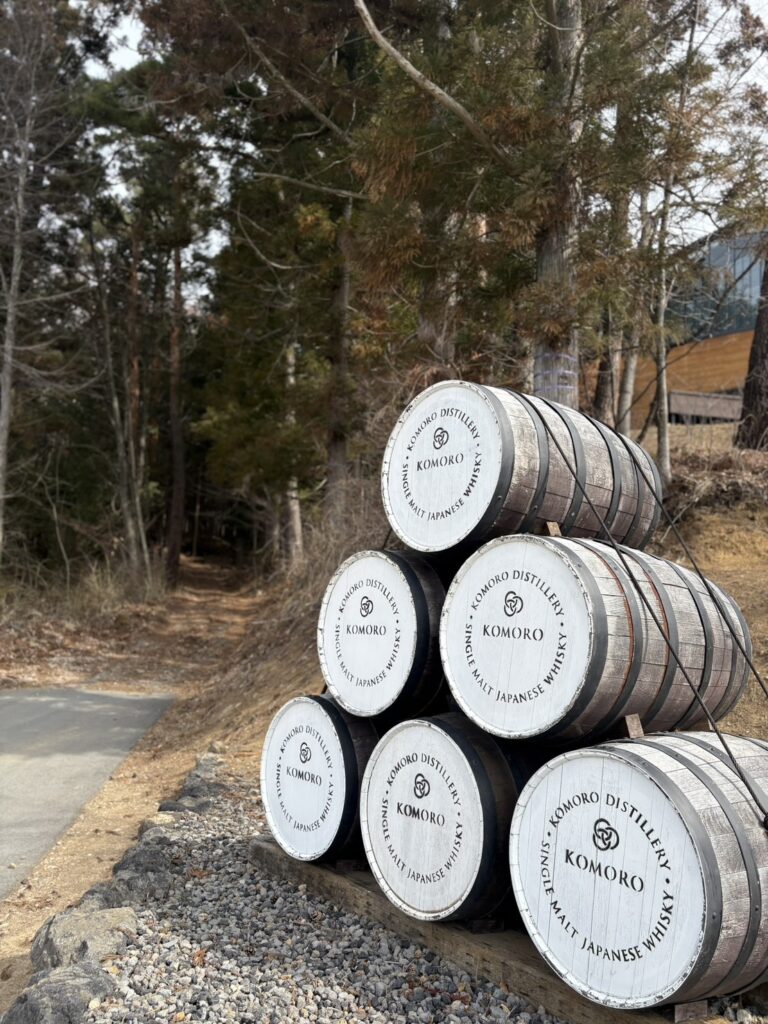
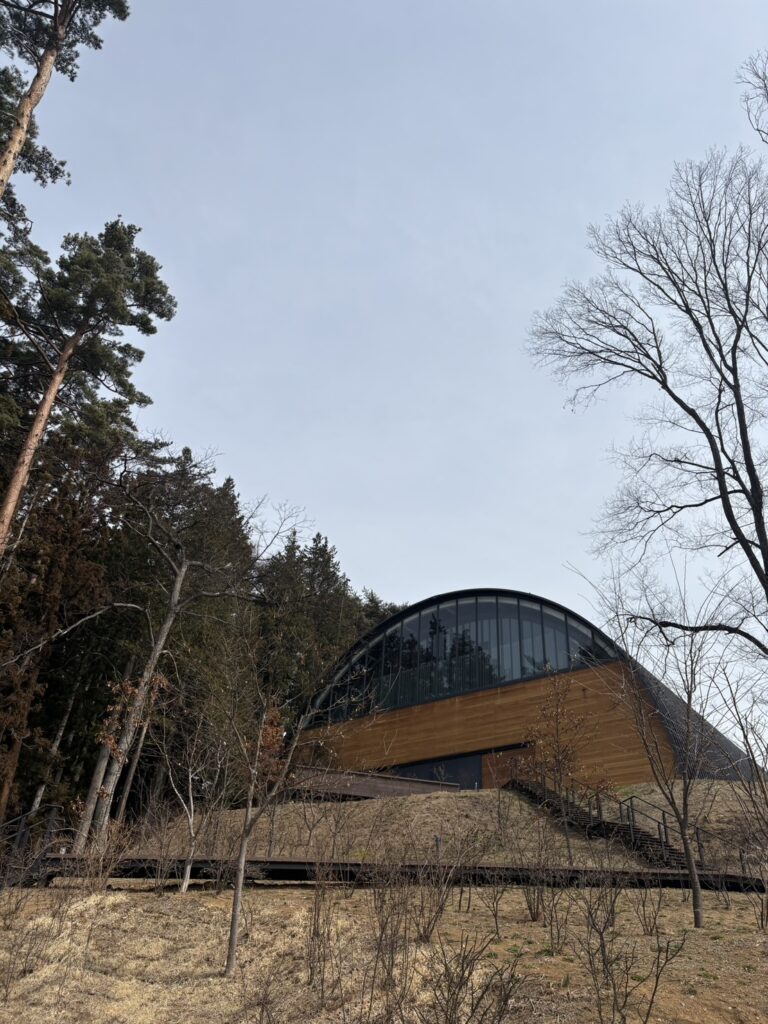
The “artistic conception” master Ian Chang found in Japan
Ian Chang, who once led Taiwan’s “Kavalan” to the top of the world, chose Komoro as his next stage.
To make “whisky with an age statement,” which was difficult in tropical Taiwan because of the large angel’s share (evaporation), he came to Komoro, Nagano Prefecture, a highland at 910 metres with a climate close to Scotland’s.
(The story that, after just a three-hour online meeting, he resonated with the vision of founder Mr. Shimaoka and said “I’m in!” sounds like destiny!)
What Ian is trying to express through Komoro’s whisky is an “Artistic Conception.”
It aims for a deeply emotional experience: “the feeling of being surrounded by forest” and a sense of “the changing seasons.”
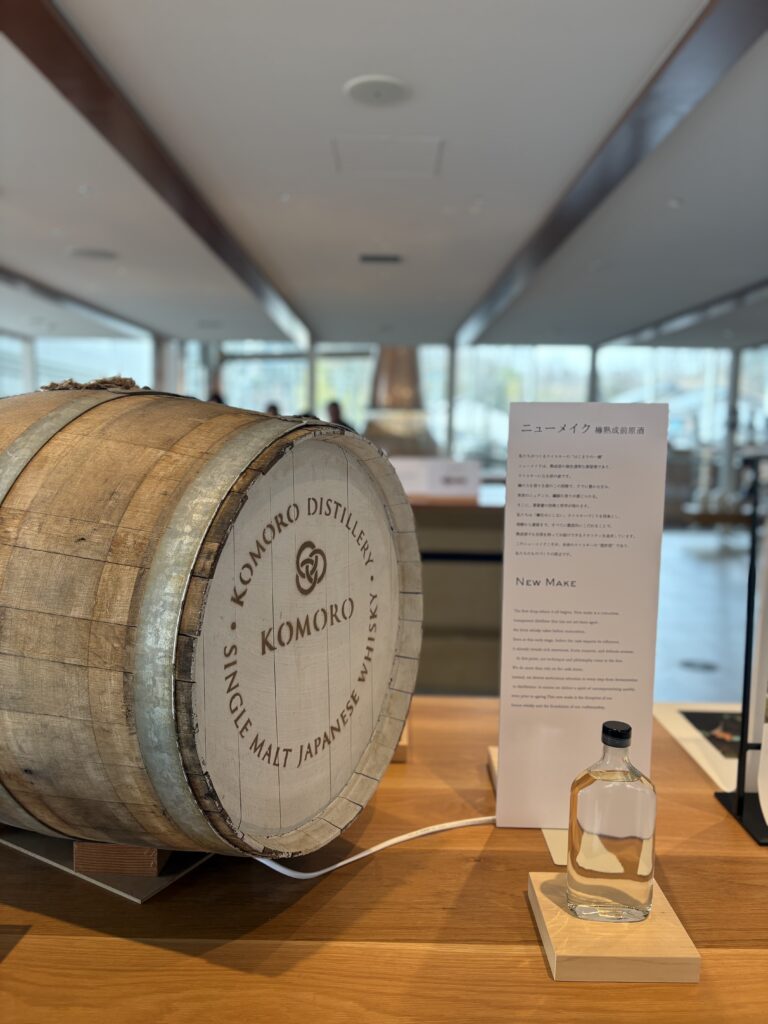
- The fusion of art and science:
- Ian believes whisky-making is “a combination of art and science,” and that the ratio is “half and half.”
It’s his belief that a great blender needs not only scientific knowledge to secure the quality of new make, but “imagination” — the ability to picture the taste when different spirits come together.
(↑ You can experience the elements that make up whisky’s aroma by smelling them *2x speed recommended)
- A commitment to “harmony (balance)”:
What he values most to convey this artistic conception is “balance.”
Not making one particular character stand out, but pursuing balanced flavours and character that anyone can enjoy.
This, I think, is Komoro’s core.
The wonder of “harmony,” supported by thorough “science”
When I tasted Komoro’s spirit served at the cross talk, I was struck by something.
It had been reduced to 46% ABV — and surprisingly, despite being so young at two years old (under three years),
it had almost none of the “new make aroma” that young Japanese craft distilleries often struggle with.
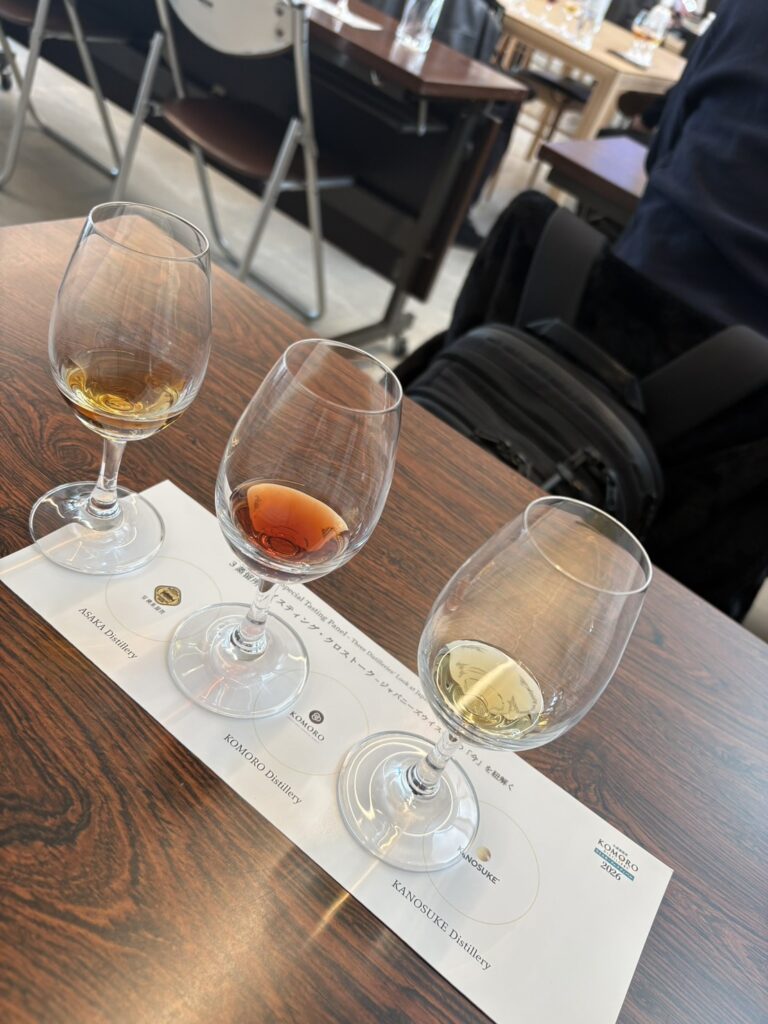
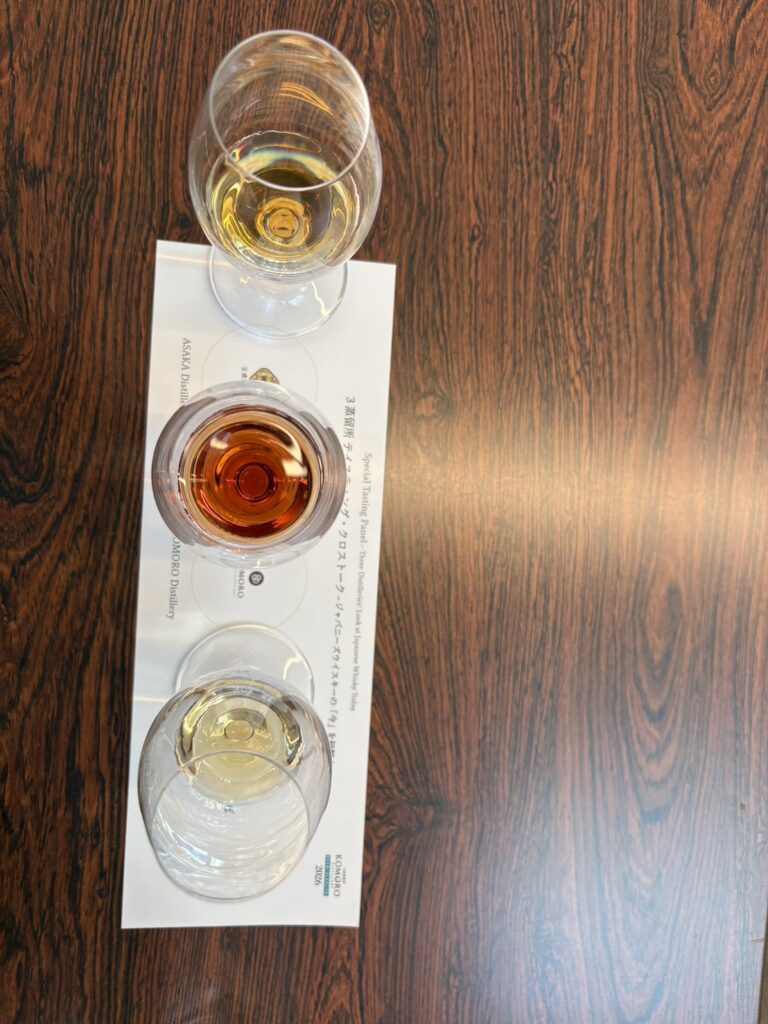
(A beautiful red — a ruby port cask, I was told. The one in the middle is Komoro Distillery’s whisky.)
Mr. Kurobane of Asaka Distillery was also amazed: “It’s incredible to keep this aroma when it’s reduced to this strength.”
While many craft distilleries have no choice but to bottle at higher strength to hide the immaturity of their spirit, Komoro was beyond that from the start.
What supports this “harmony” is thorough science, the power of the environment, and the skill of the blender.
- Innovative technology:
Using STR casks (shaving, toasting, recharring) inherited from his mentor Dr. Jim Swan, they add complex flavours, unlike major producers, in a short time.
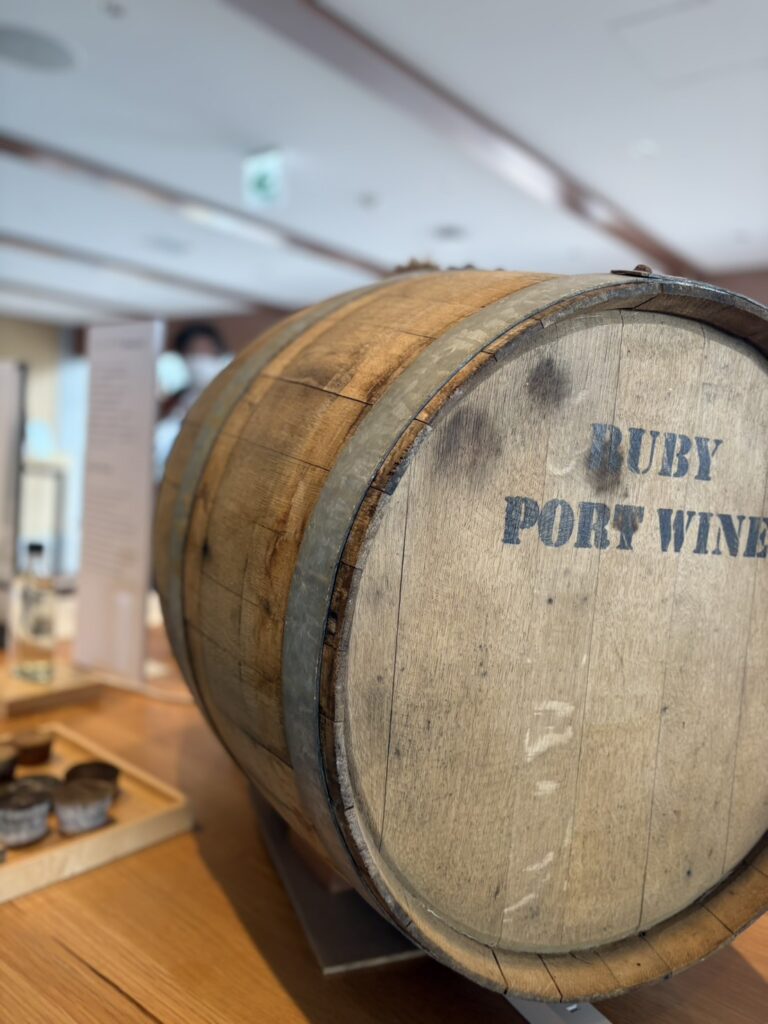
- The potential of the land:
The winter cold at 910 metres promotes oxidation during maturation, and the minerals in Komoro’s hard water nurture healthy yeast, giving depth and character to the flavour.
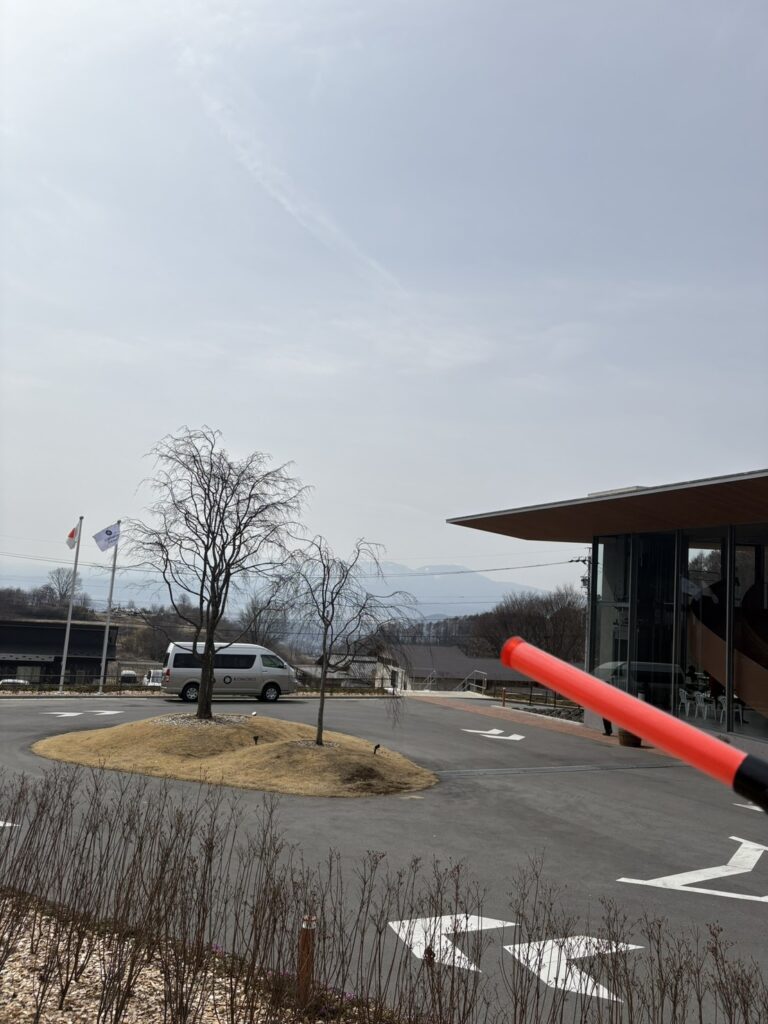
(“That’s Mt. Asama,” the parking lot staff told me.)
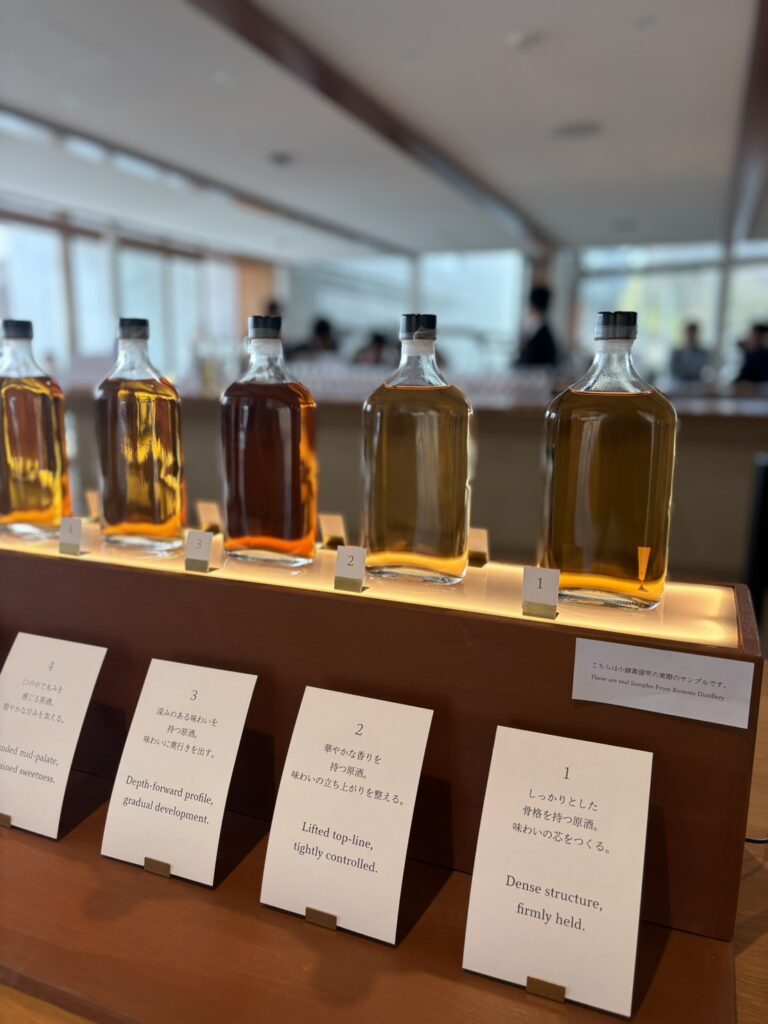
- A spectrum of spirits
Comparing the blender to a chef, they combine new makes of many colours and characters — called a “raw spectrum” — to create the final product, a work of “art.”
Beyond “craft”: a grand plan to become Japan’s No. 3 producer
What I felt through this tasting experience is that Komoro is not assuming it will fight within the framework of “craft whisky.”
It’s a completely different battlefield, I felt.
Isn’t this tied to the distilleries to come, and to the huge ambition of the Karuizawa Distillers Inc. (KDI) group?
Just as Suntory has “Yamazaki” and “Hakushu,” and Nikka has “Yoichi” and “Miyagikyo,” KDI seems to be drawing a brand strategy across several sites, with Komoro as the benchmark of a “new legend.”
- The road to a powerhouse:
KDI founder Takashi Shimaoka has publicly stated that he will make the company “a powerhouse of Japanese whisky.”
- The Furano project:
Once KDI’s second distillery in Furano, Hokkaido (“Furaliss,” developed jointly with the Seibu Group), is running, KDI plans to leap to become Japan’s third-largest producer. (A third distillery is reportedly being planned in the south.)
- A direct line to the world market:
Including plans for a logistics base in Singapore, a solid system aimed at the global market from the start is in place.
- Tourism:
The element of tourism. For international visitors too, being 60 minutes from Tokyo by shinkansen is a big advantage.
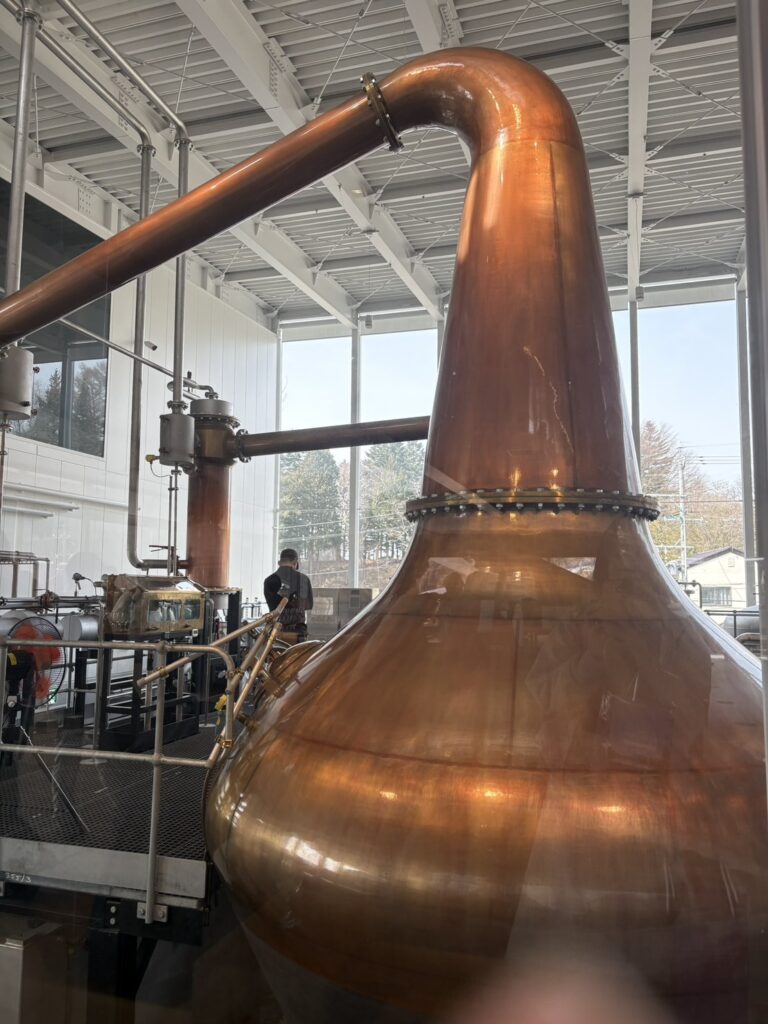
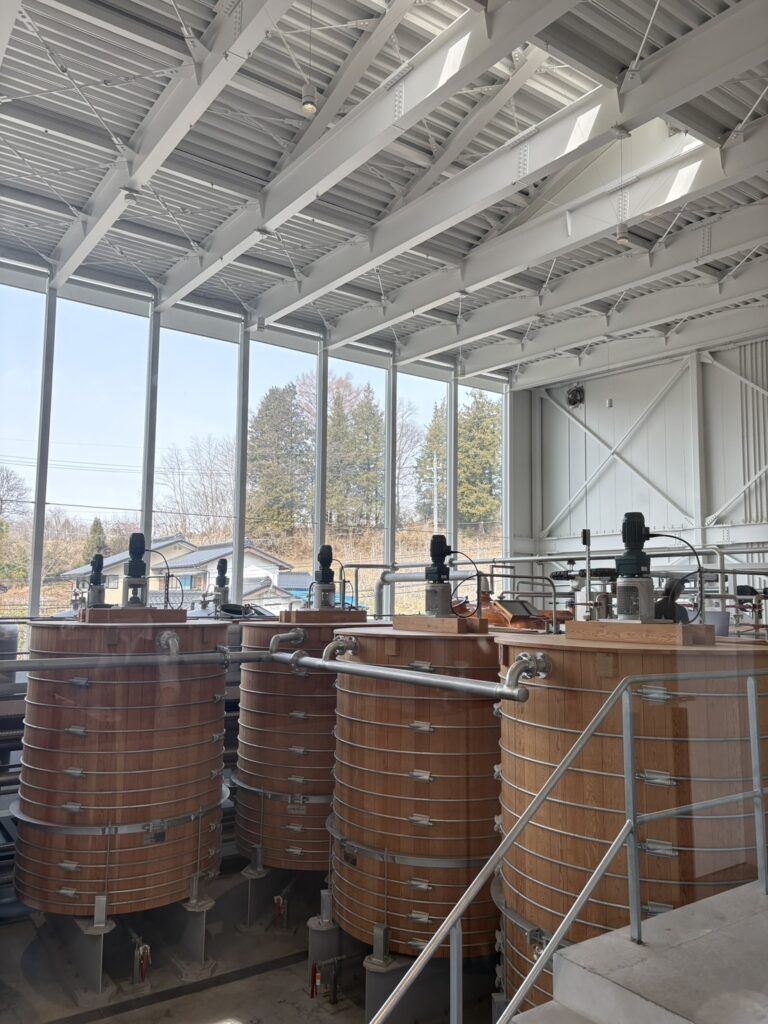
The capital and strategic vision of a strong management team led by Mr. Shimaoka, and the talent of Ian, who has been given “complete creative control” over whisky-making.
To me, these two wheels look like a future in which, just as Suntory and Nikka once did, a master blender elevates the individuality of each site — “Komoro,” “Furano” — into ultimate blends like “Hibiki” or “Taketsuru.”
The true nature of the “harmony” I witnessed in Komoro.
I felt it was “the strongest common language” for rewriting the history of Japanese whisky and taking the world by storm.
A side note:
I wished so strongly that I could speak English, so I could ask Ian directly about the finer feelings…
If only I could have gone beyond the language barrier and asked him directly how he felt in that moment — how wonderful that would have been….!
Even with that frustration, what amazed me was Ian’s attitude.
Despite being so famous worldwide, he never once lost his respect for the person in front of him.
I felt that whisky made by someone with such a wonderful attitude must turn out beautiful, with harmony at its heart.
Also, the more I researched Komoro Distillery, the more I wanted to meet its founder, Mr. Shimaoka.
Someday, I’d love to hear a talk session with Ian and Mr. Shimaoka together!
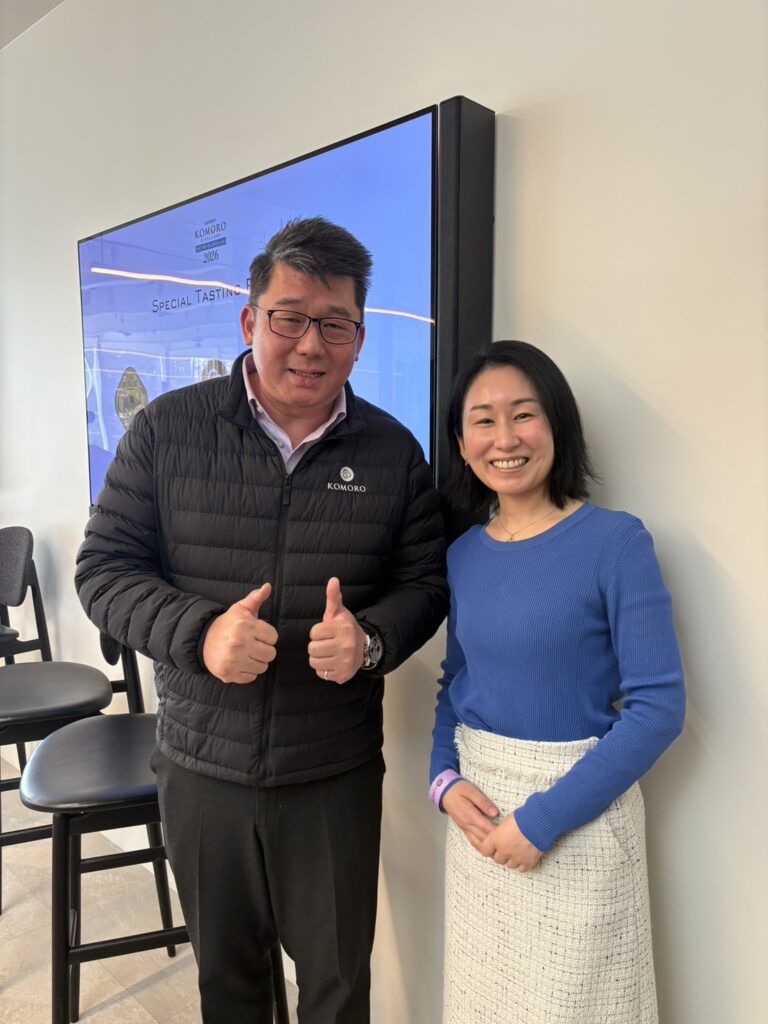
***Komoro Distillery hasn’t released its first bottling yet, so we don’t carry it at Little Happiness. When it comes out, I’ll do my best to get it and serve it to our guests! (It’ll probably be very hard to get 💦)
“Whisky and rum taste even better when you touch the hearts of the people who make them.”
Every encounter is meant to be. Welcome to the world of Rum&Whisky.
▶️ Next: Kanosuke Distillery and the “industry structure” of whisky
[About the author]
Mika Tanimoto
CEO, Little.m Inc. / Owner-bartender
Since 2006, I have run Bar Little Happiness, a whisky and rum bar in Nagarekawa, Hiroshima. I visit distilleries in Japan and around the world and write about the people who make the spirits. Recipient of the Hiroshima City Excellent Skilled Worker Award.
“Whisky and rum taste even better when you know the hearts of the people who make them.”
[Visit the bar] 📍 Bar Little Happiness
Rolling Nagarekawa 1F, 5-14 Nagarekawa-cho, Naka-ku, Hiroshima
Mon–Sat 7:00 pm – 12:30 am / Sun 7:00 pm – 12:00 am (closed when I travel to visit distilleries)
No cover charge, no reservation needed