
To the Brewery That Saved Ichiro’s Malt: Asaka Distillery Visit Report, Part 1 (Fukushima, Japan)
2026.10.05
In short: Asaka Distillery in Koriyama, Fukushima, Japan, is run by Sasanokawa Shuzo, a sake brewery with roots going back about 300 years. It holds the oldest whisky licence in Tohoku (1946), and in 2003 it stored the Hanyu casks that Ichiro Akuto saved from being discarded — the whisky that became Ichiro’s Malt. With stills built to the same spec as Chichibu, Asaka started full production in 2016. Part 1 of my visit report by Mika Tanimoto, owner of Bar Little Happiness in Hiroshima.
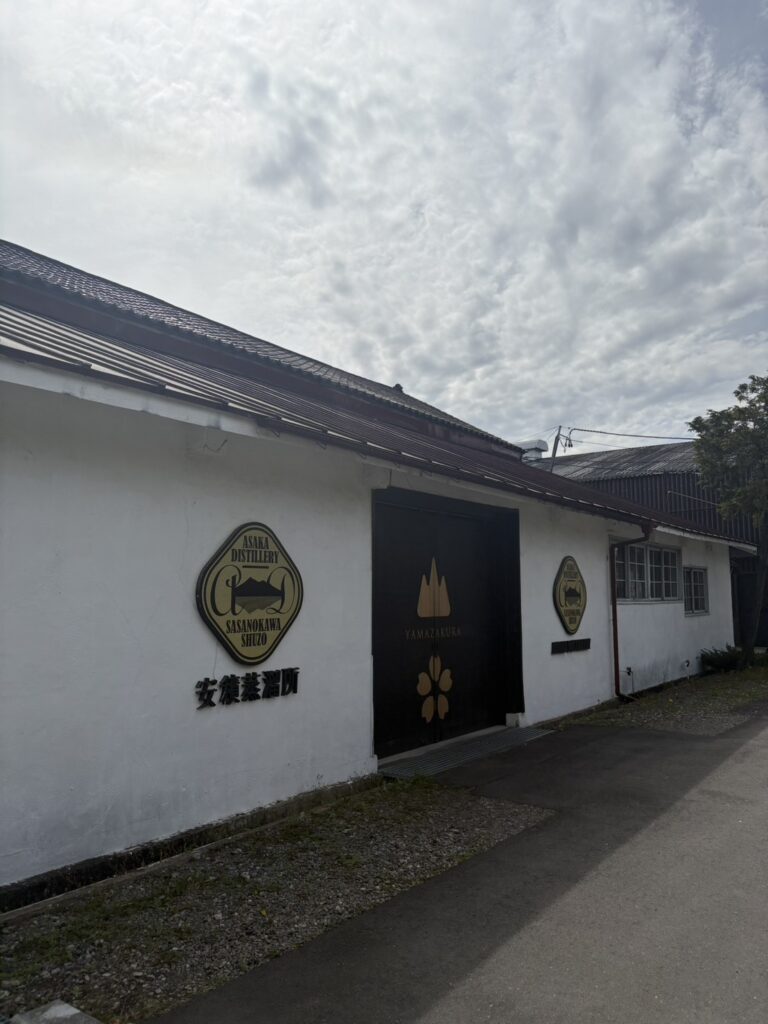
My first visit, more than ten years ago
I came here once, more than ten years ago.
I wanted to trace the roots of Ichiro’s Malt.
I asked an acquaintance in Fukushima to arrange an appointment. Looking back, it was pretty pushy of me.
That acquaintance even drove me around and looked after me.
They had arranged a meal for me, too. But I had a bullet train to catch.
My next destination that day was Shizuoka, where I had promised to meet President Nakamura.
In the end, I left the meal after only about 30 minutes.
I was in Fukushima for only three or four hours.
I was really sorry back then — and truly grateful.
The president of Asaka Distillery showed me around, and we talked in the guest room.
I’m sure I took photos, but I have no idea where they went now.
Back then, I wasn’t yet in the habit of saving photos properly.
I still regret it.
On my way out, I bought an old aged spirit that had been sitting in a corner of the room.
It was around 2016, just as Asaka Distillery was starting up.
Maybe it was right when they were about to make their very first drops.
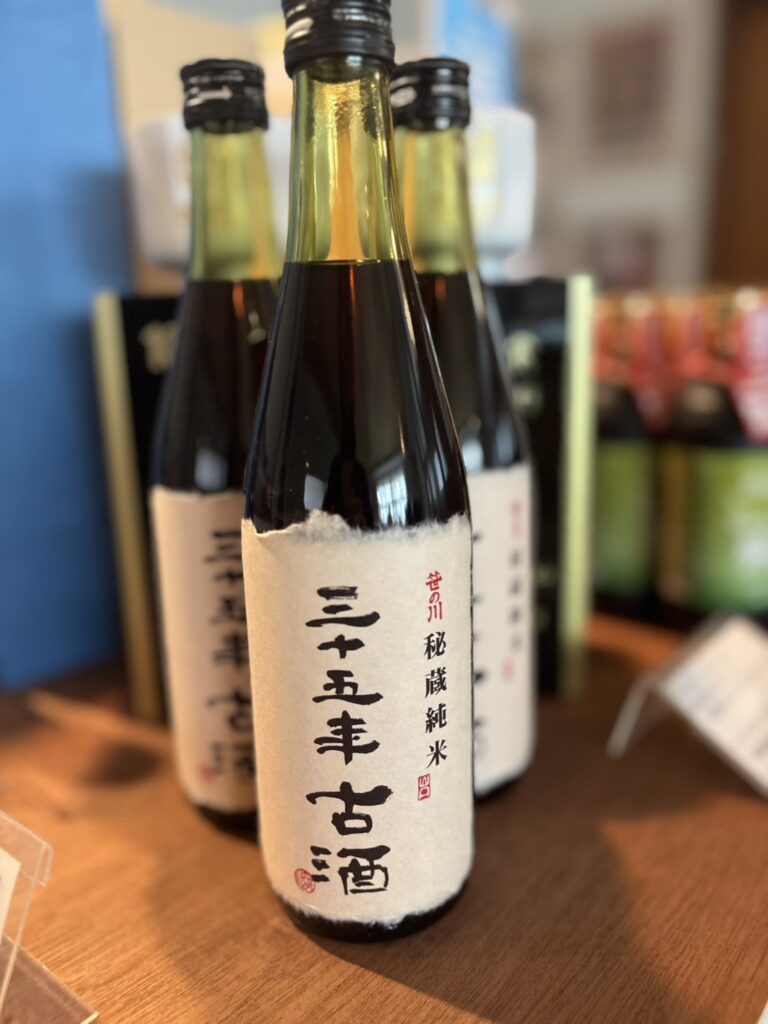
Sasanokawa Shuzo: Tohoku’s oldest whisky licence
The history of Sasanokawa Shuzo starts much further back than I had imagined.
The official founding date is 1765, but the Yamaguchi family began brewing on this land about 300 years ago.
They moved from a place called Funatsu, south of Lake Inawashiro, to present-day Koriyama.
Though it has a long history as a sake brewery, its encounter with whisky came about because of the war.
After the war ended, the warehouse held a stock of military alcohol.
Outside, there were the occupation forces.
With a rice shortage, sake couldn’t be made.
“Then let’s make whisky” — and so, in 1946, they obtained what is now the oldest whisky licence in Tohoku.
A brand called Cherry Whisky was born, and by the end of the Showa era it sold nationwide, ranked alongside the others in the saying “Cherry in the north, Toa in the east, Mars in the west.”
But in 1989, the market changed.
Under international pressure, including from the Thatcher government, Japan abolished its graded liquor tax system.
Prices of second-grade whisky went up, and consumers moved to shochu.
The market shrank all at once, and this brewery gradually scaled back its whisky production.
Saving the Hanyu casks: the brewery that saved Ichiro’s Malt
In that era of silence, there was something this brewery did.
In 2003, Toa Shuzo was to give up Hanyu Distillery.
The new owner decided to withdraw from whisky, and the spirit that had been maturing for nearly 20 years was going to be discarded. The one who could not bear it was Ichiro Akuto.
He searched everywhere for somewhere to take the casks, but was turned down again and again.
In an era when whisky didn’t sell, no brewery wanted to store another company’s spirit.
Then the president of Sasanokawa Shuzo raised his hand.
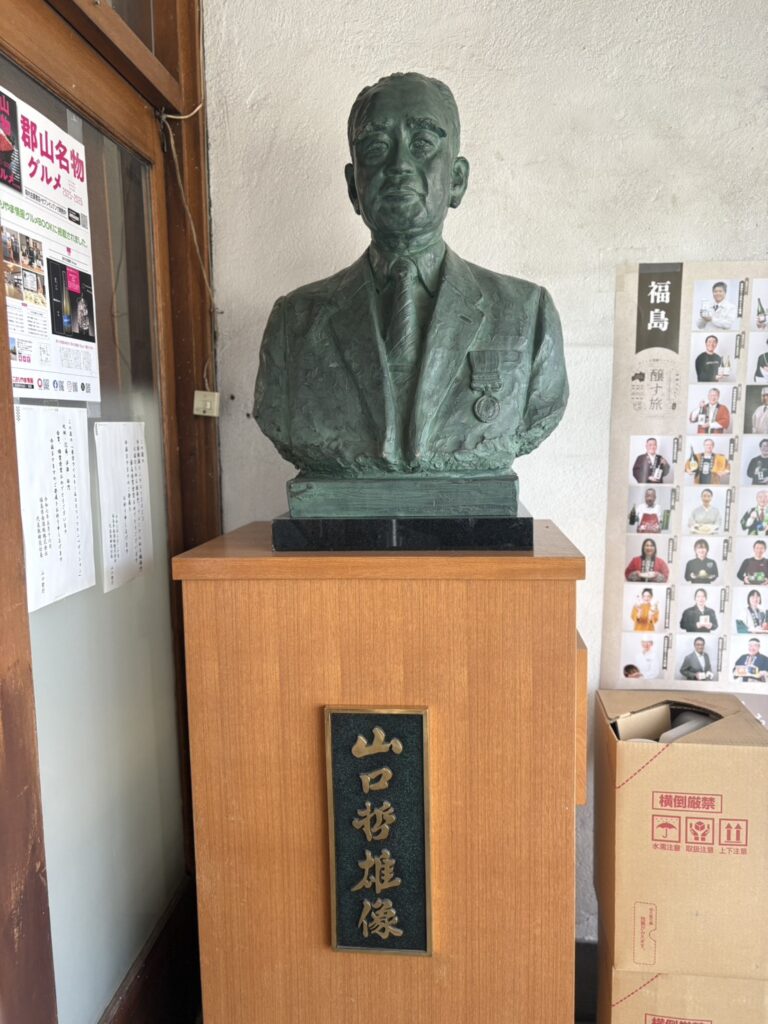
“That would be a loss for the industry. Throwing away something that has been matured for so long is a loss of time. Use our warehouse.”
The Hanyu spirit survived in Fukushima and was released in 2005 as “Ichiro’s Malt.”
Later it became a whisky so valuable that the Card Series sold at auction for about 160 million yen, one of the things that made the world pay attention to Japanese whisky.
Without this brewery, today’s Japanese whisky boom might have taken a slightly different shape.
Asaka Distillery today: “From our hometown, we want to be the best in Japan”
Partly because of that bond, Mr. Akuto lent his help to launching Asaka Distillery.
They installed pot stills built to the same specifications as Chichibu’s first distillery, and began full production in 2016.
Today, production is led by a team including Shohei Kurobane, a Fukushima local.
The same members continue both brewing and blending.
Distilleries are a world where people tend to move around, but this team keeps making whisky in the same place.
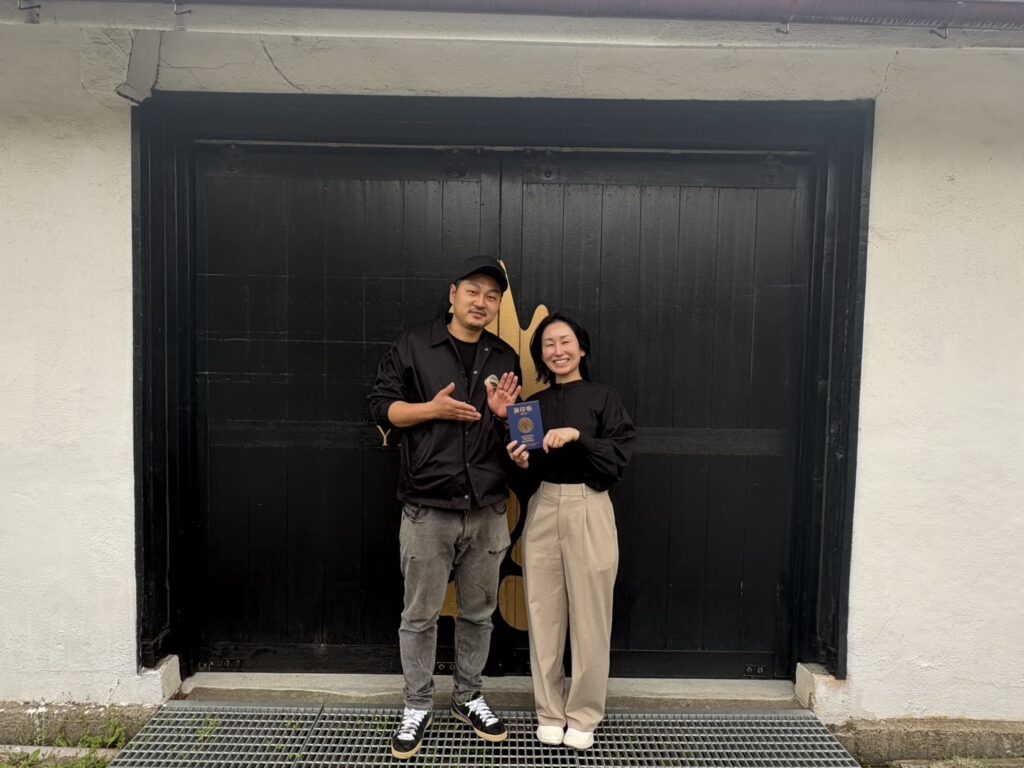
“From our hometown, we want to aim to be the best in Japan.”
Those words from head distiller Kurobane-san have stayed with me.
About ten years since that visit around 2016.
Now about 1,600 casks sleep on site, a third warehouse in a closed school in Konan-machi is under construction, and I heard there are even plans for a fourth.
Seeing the same place change like this gave me a strange, wonderful feeling.
“Whisky and rum taste even better when you touch the hearts of the people who make them.”
Every encounter is meant to be.
Welcome to the world of Rum&Whisky.
[About the author]
Mika Tanimoto
CEO, Little.m Inc. / Owner-bartender
Since 2006, I have run Bar Little Happiness, a whisky and rum bar in Nagarekawa, Hiroshima. I visit distilleries in Japan and around the world and write about the people who make the spirits. Recipient of the Hiroshima City Excellent Skilled Worker Award.
“Whisky and rum taste even better when you know the hearts of the people who make them.”
[Visit the bar] 📍 Bar Little Happiness
Rolling Nagarekawa 1F, 5-14 Nagarekawa-cho, Naka-ku, Hiroshima
Mon–Sat 7:00 pm – 12:30 am / Sun 7:00 pm – 12:00 am (closed when I travel to visit distilleries)
No cover charge, no reservation needed