
What Is a “Tokkyu” (Special Grade) Label? The Era and Feelings Etched on a Whisky Label
2026.10.05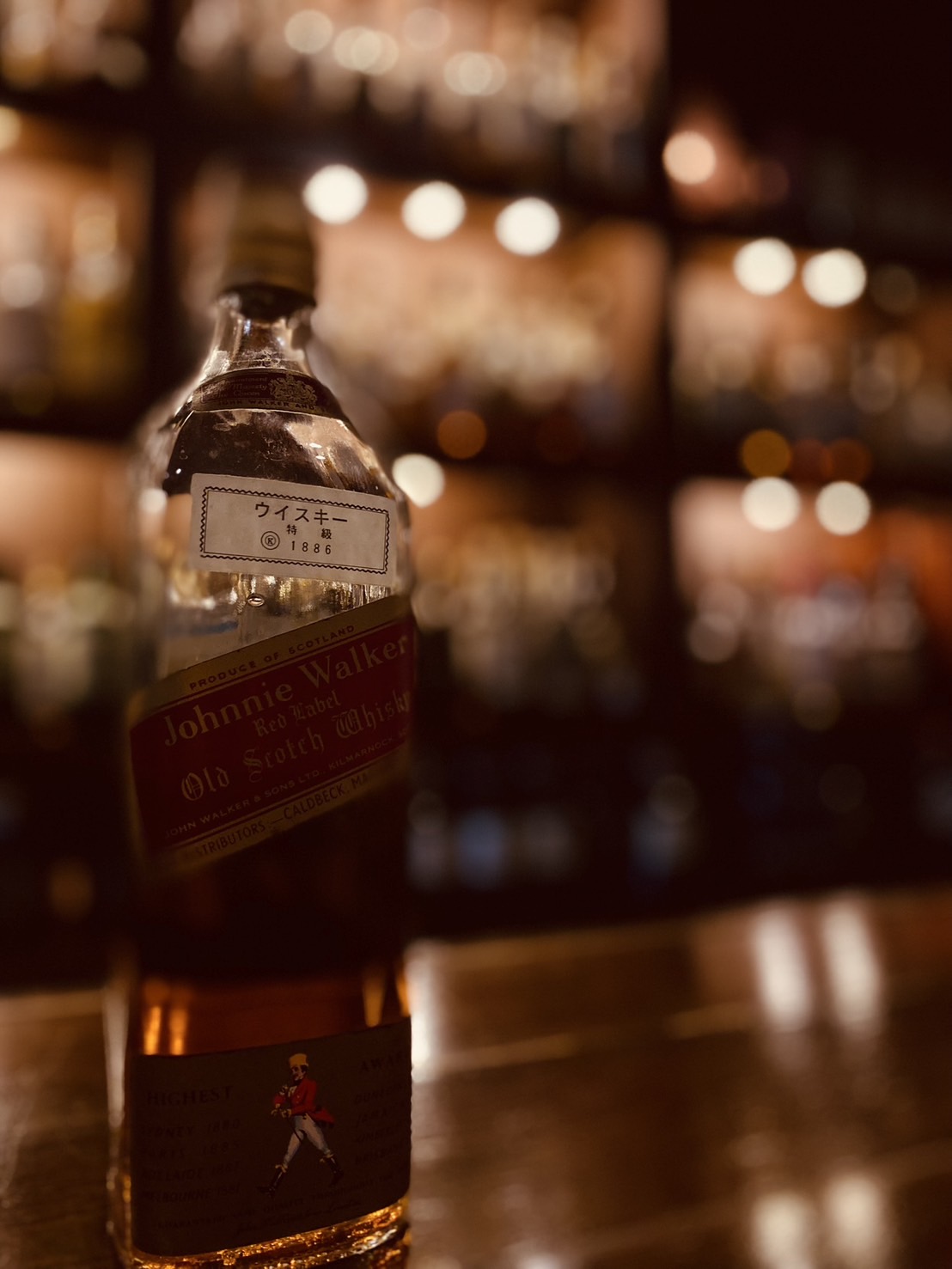
In short: From 1953 to 1989, Japan graded whisky by law, and “tokkyu” (special grade) was the top class. I explain the grading system, why old “tokkyu” Johnnie Walker bottles reflect Showa-era Japan, and why whisky lovers still seek them, including the ones at our bar.
An old bottle of Johnnie Walker, placed on the counter.
The two kanji on its label, “特級” (tokkyu, “special grade”), no longer appear on today’s bottles.
Yet these two characters carry more meaning than a mere label.
What Is a “Tokkyu Label”?
From 1953 to 1989, under Japan’s Liquor Tax Act, whisky and brandy were subject to a grading system.
Special grade (tokkyu), first grade and second grade.
Special grade was the highest, and had to meet strict standards such as the proportion of malt and grain whisky blended in and the alcohol strength.
Naturally, its liquor tax was the highest, and so was its price.
For consumers at the time, a “tokkyu” label was something to aspire to: a bottle worth stretching your budget for.
Historical Background: Western Spirits Were a “Symbol of the Times”
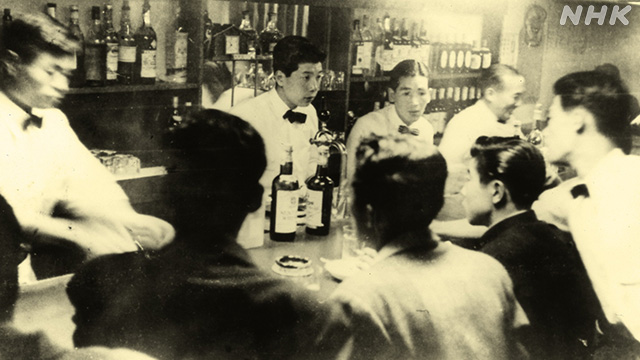
During Japan’s period of rapid economic growth, whisky was not just an indulgence but a status symbol reflecting the times.
Advertisements overflowed with the message “drinking Western spirits = a stylish, progressive adult,”
and at the counters of bars and clubs, adults in suits raised their glasses.
The sight of a red Johnnie Walker with “特級” written on it in Japanese.
It is also a symbol of a transitional era, when “foreign spirits were being accepted into Japanese culture.”
Why Tokkyu Labels Are Still Fascinating Today
Unlike today’s Johnnie Walker, the blends of that era are said to have had a heavier, smokier finish and a wider range of ages.
When you drink one, a mellow roundness, as if the edges have been worn away, stays on the tongue,
and a moment unfolds that makes you think, “So this is the taste the adults of Showa-era Japan’s boom years were drinking.”
The reason whisky lovers today are drawn to tokkyu labels
is not just the flavour.
It is because you can feel a piece of history, a symbol of the culture of the time, and a rare story.
(Of course, the high prices they fetch at auction are also one factor.)
The “Tokkyu Johnnie” You Can Drink at Little Happiness
On the counter at Little Happiness, Johnnie Walker bottles with that “tokkyu” label lie sleeping.
Not just checking the taste, but enjoying a glass poured together with the air of the Showa era.
It is not simply a tasting, but an experience of drinking a story.
Next time you see a bottle marked “特級,”
please take your time with a glass while imagining that era.
That glass will surely leave a small story inside you.
Every encounter is meant to be. Welcome to the world of Rum&Whisky.
Mika Tanimoto, Bar Little Happiness
[About the author]
Mika Tanimoto
CEO, Little.m Inc. / Owner-bartender
Since 2006, I have run Bar Little Happiness, a whisky and rum bar in Nagarekawa, Hiroshima. I visit distilleries in Japan and around the world and write about the people who make the spirits. Recipient of the Hiroshima City Excellent Skilled Worker Award.
“Whisky and rum taste even better when you know the hearts of the people who make them.”
[Visit the bar] 📍 Bar Little Happiness
Rolling Nagarekawa 1F, 5-14 Nagarekawa-cho, Naka-ku, Hiroshima
Mon–Sat 7:00 pm – 12:30 am / Sun 7:00 pm – 12:00 am (closed when I travel to visit distilleries)
No cover charge, no reservation needed