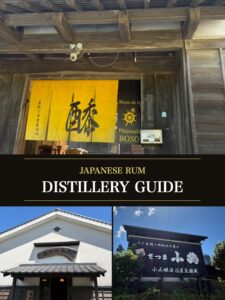

Asaka Distillery: A Benefactor of Japanese Craft Whisky — Komoro Distillery Festival 2026 Report, Part 4 (Fukushima, Japan)
2026.10.05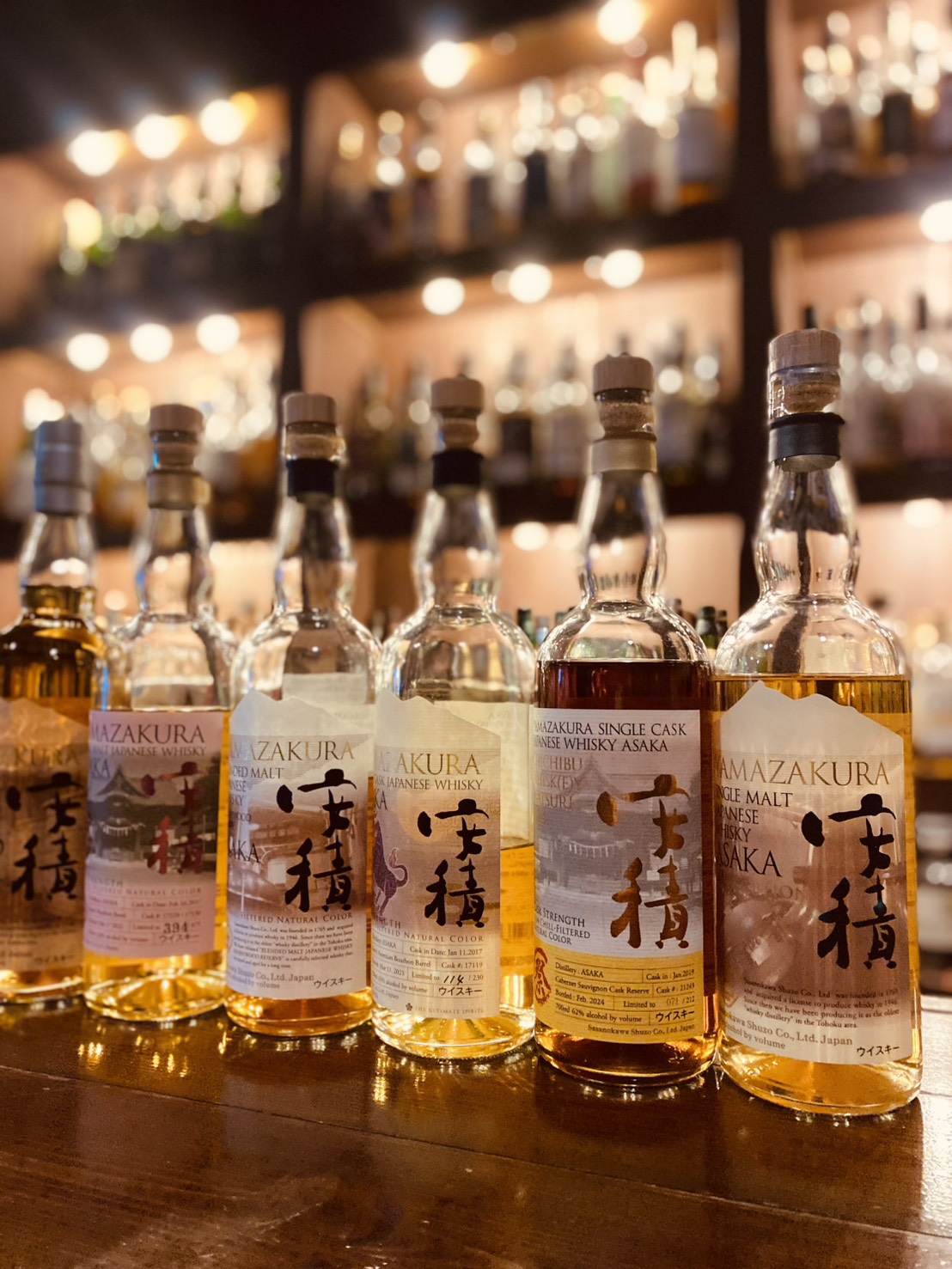
In short: the final part of my Komoro Distillery Festival 2026 report is about Asaka Distillery (Sasanokawa Shuzo) in Koriyama, Fukushima — a benefactor of Japanese craft whisky that kept the Hanyu casks alive for Ichiro Akuto. Its head of production says “no way of making it is perfect yet”; it seeks ginjo-like aromas and finishes whisky in 100–150-year-old American oak casks. Plus the future of Japanese whisky with more than 110 distilleries. By Mika Tanimoto, owner of Bar Little Happiness in Hiroshima.
Part 4 of my Komoro Distillery Festival 2026 report is about Asaka Distillery (Sasanokawa Shuzo), which could be called a “benefactor” of Japanese craft whisky, and the future of Japanese whisky that came into view through the sessions.
Asaka Distillery (Sasanokawa Shuzo): 260 years of history and a “lineage into the future”
Asaka Distillery, in Koriyama, Fukushima Prefecture, is run by Sasanokawa Shuzo, a long-established sake brewery founded in 1765.
Its history runs deep: its whisky licence dates back to 1946, and in 2026 it reached a major milestone — 80 years since obtaining the licence and starting production.
I myself visited Sasanokawa Shuzo more than ten years ago.
Back then it still felt very much like “an extension of a sake brewery,” and through an acquaintance in Fukushima, the president himself showed me around (sadly, I’ve lost the photos from that time…).
It’s a happy memory that I bought a “super-old spirit” sleeping in a corner of the brewery and carried it home like treasure.
Looking at the website now, this historic brewery has been reborn as a strikingly modern and beautiful distillery, and its evolution amazed me.
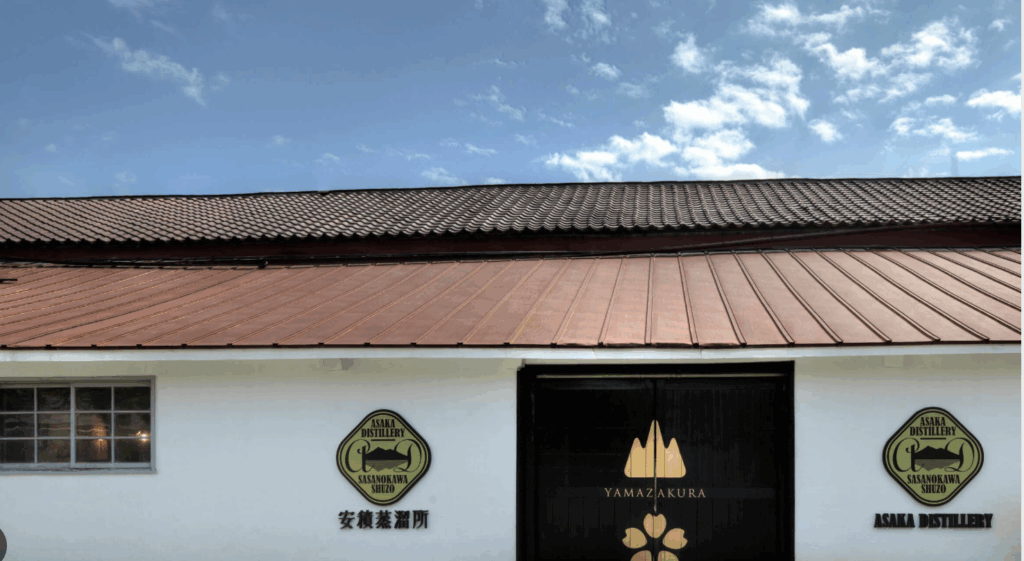
(Borrowed from their website ↑)
The “historic decision” that saved Ichiro’s Malt
You cannot talk about the history of Sasanokawa Shuzo without its bond with Ichiro Akuto of Venture Whisky (Ichiro’s Malt).
In 2004, when the Hanyu spirit faced being discarded, it was Sasanokawa Shuzo that took it in and carefully kept it maturing in its own warehouse.
Without this decision, the birth of “Ichiro’s Malt,” which has the world excited, and the current rise of Japanese whisky might have taken a different shape.
It is a distillery that could truly be called a “benefactor” of Japanese craft whisky.
A flexible attitude: “There is no perfect”
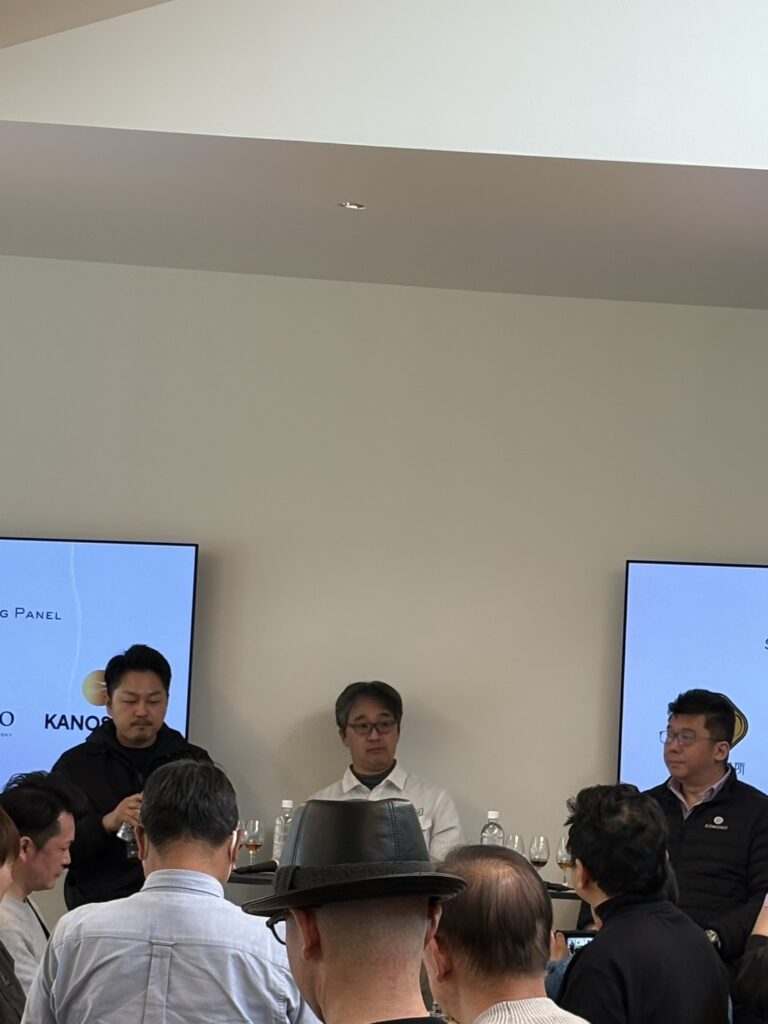
Mr. Kurobane, in charge of production, who spoke at this festival, says that even now, ten years after the restart, “there is still no way of making it that I’d call perfect.”
While establishing itself as a pioneer of craft whisky, Asaka’s strength is its refusal to stop evolving, flexibly taking in new raw materials and better approaches every year.
The delicate “craftsmanship” of a sake brewery
Asaka’s whisky aims for a style that is “layered, complex and satisfying.”
- Awareness of ginjo aroma:
At the fermentation stage, they use the sensibility of a sake brewery to draw out delicate “ginjo-ka” (the fruity aroma of fine sake) as part of the whisky’s character.
- Casks from trees over 100 years old:
The bottle presented at the festival was finished in rare American oak casks from trees 100 to 150 years old, ordered from a winery in the United States.
Ishihara-san of Kanosuke Distillery, who tasted this Asaka bottle, praised its quality highly: “When I drink delicious whisky I get goosebumps — and I have goosebumps right now!”
The future of Japanese whisky: what lies beyond the ever-growing number of distilleries
Today, more than 110 distilleries crowd Japan.
What future awaits beyond this “age of warring rivals”?
Near the end of the session, Ian Chang of Komoro Distillery said, “Japanese whisky in five years will be more colourful and full of diversity.”
Each distillery has different techniques and cultures, and the fact that everyone is different is the key to the whole industry, he said.
He also said that from now on, “authenticity” will be valued even more.
Making everything in-house, and the story of making it on that land, will become proof of the “craftsmanship” the world seeks from Japan.
“There is no word ‘competition’ in my dictionary!”
I read a wonderful episode that symbolises the future of the industry on the blog of Mr. Nakamura, founder of Shizuoka Distillery (Gaiaflow).
It happened at the “World Whisky Forum” held in 2024.
When Kirin’s master blender, Jota Tanaka, was asked about competition with rivals, he declared proudly, “There is no word ‘competition’ in my dictionary!”
For makers who came through the old slump shoulder to shoulder, the shared feeling is not “competition” to beat each other, but respecting and cheering each other on to lift the whole market.
Not fearing change, opening their hearts to each other, and raising each other up.
Whisky that carries these makers’ feelings looks set to colour our glasses more and more richly.
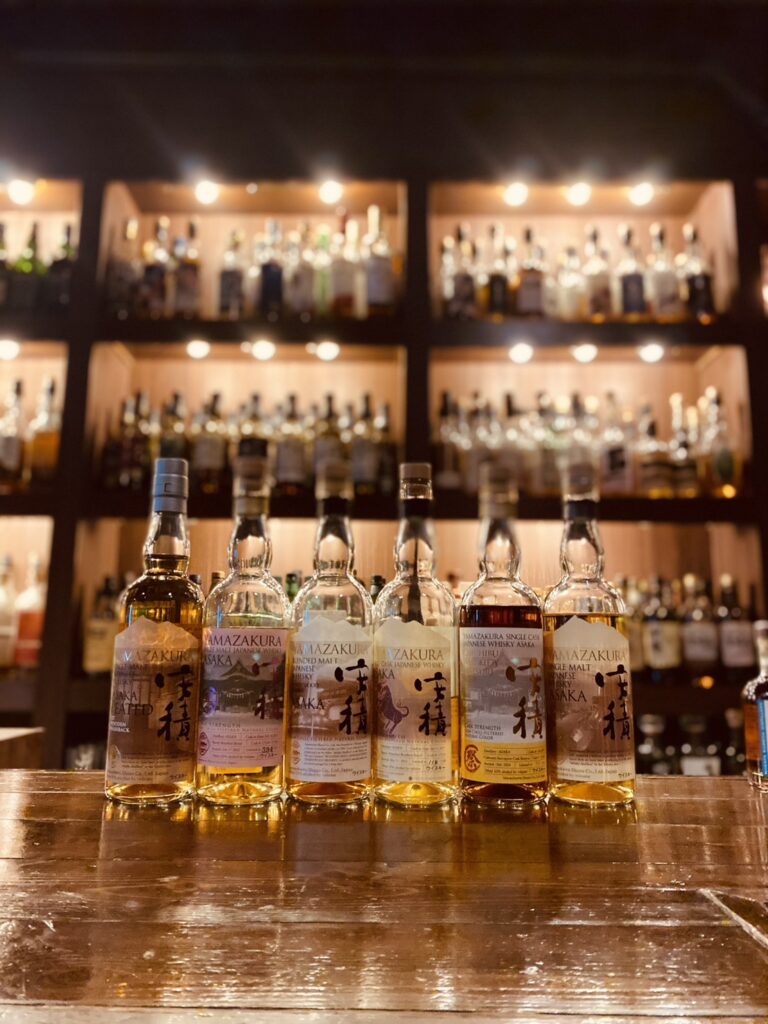
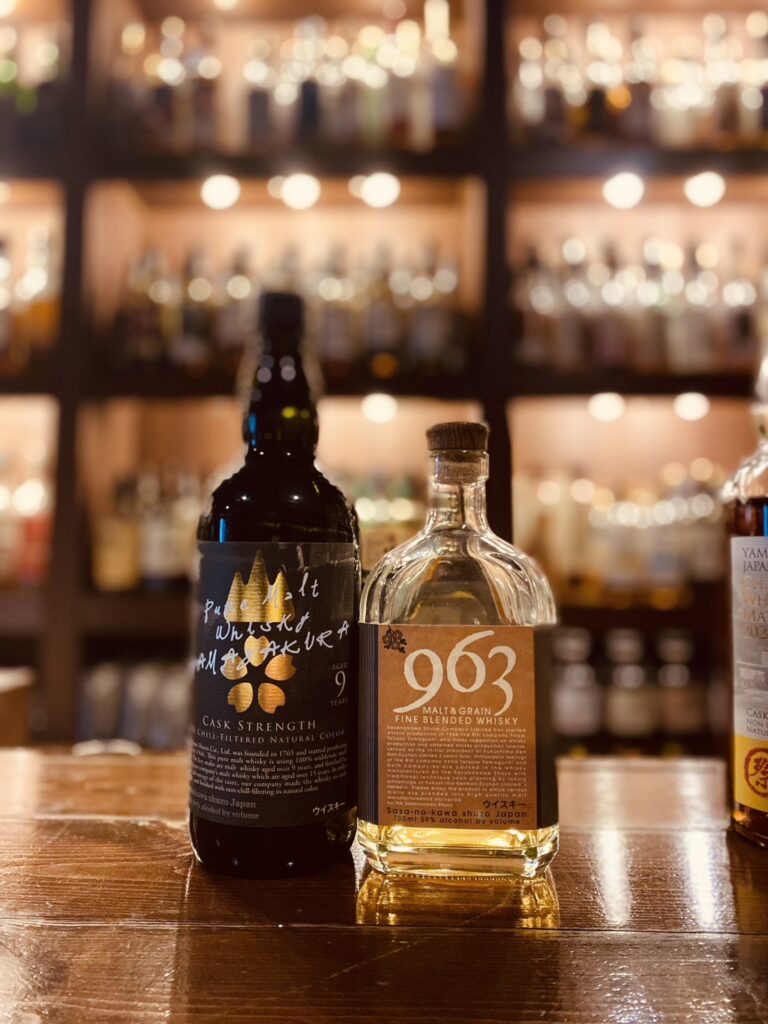
At Bar Little Happiness, we also carefully keep whisky from Sasanokawa Shuzo’s Asaka Distillery.
Please taste Asaka’s “lineage into the future” for yourself.
Thank you for staying with my four-part festival report to the end!
↓
Every encounter is meant to be. Welcome to the world of Rum&Whisky.
“Whisky and rum taste even better when you touch the hearts of the people who make them.”
[About the author]
Mika Tanimoto
CEO, Little.m Inc. / Owner-bartender
Since 2006, I have run Bar Little Happiness, a whisky and rum bar in Nagarekawa, Hiroshima. I visit distilleries in Japan and around the world and write about the people who make the spirits. Recipient of the Hiroshima City Excellent Skilled Worker Award.
“Whisky and rum taste even better when you know the hearts of the people who make them.”
[Visit the bar] 📍 Bar Little Happiness
Rolling Nagarekawa 1F, 5-14 Nagarekawa-cho, Naka-ku, Hiroshima
Mon–Sat 7:00 pm – 12:30 am / Sun 7:00 pm – 12:00 am (closed when I travel to visit distilleries)
No cover charge, no reservation needed