
Ikawa Distillery Visit Report: Getting There, Production and Hand-Filling at Japan’s Most Remote Distillery (Shizuoka, Japan)
2026.10.05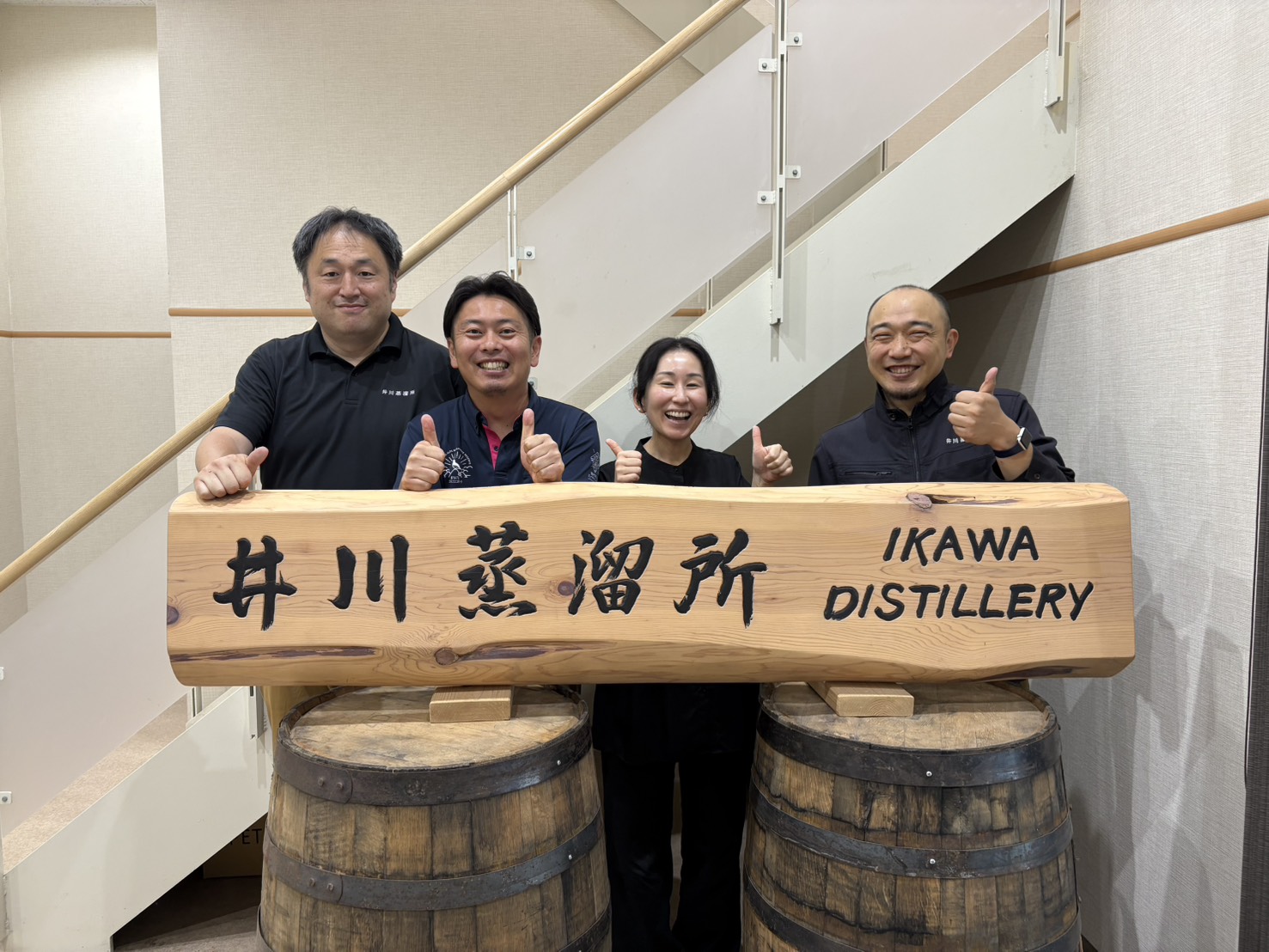
In short: a visit report from Ikawa Distillery in the Southern Alps of Shizuoka, Japan — probably the most remote distillery in Japan, four hours by car from Shizuoka Station. Dams, the Akakuzure landslide, washing tyres to keep out non-native seeds, a cut decided by taste every day, hand-filling an early non-peated bourbon barrel, and practical tips: no official tours, visits only around April–November. By Mika Tanimoto, owner of Bar Little Happiness in Hiroshima.
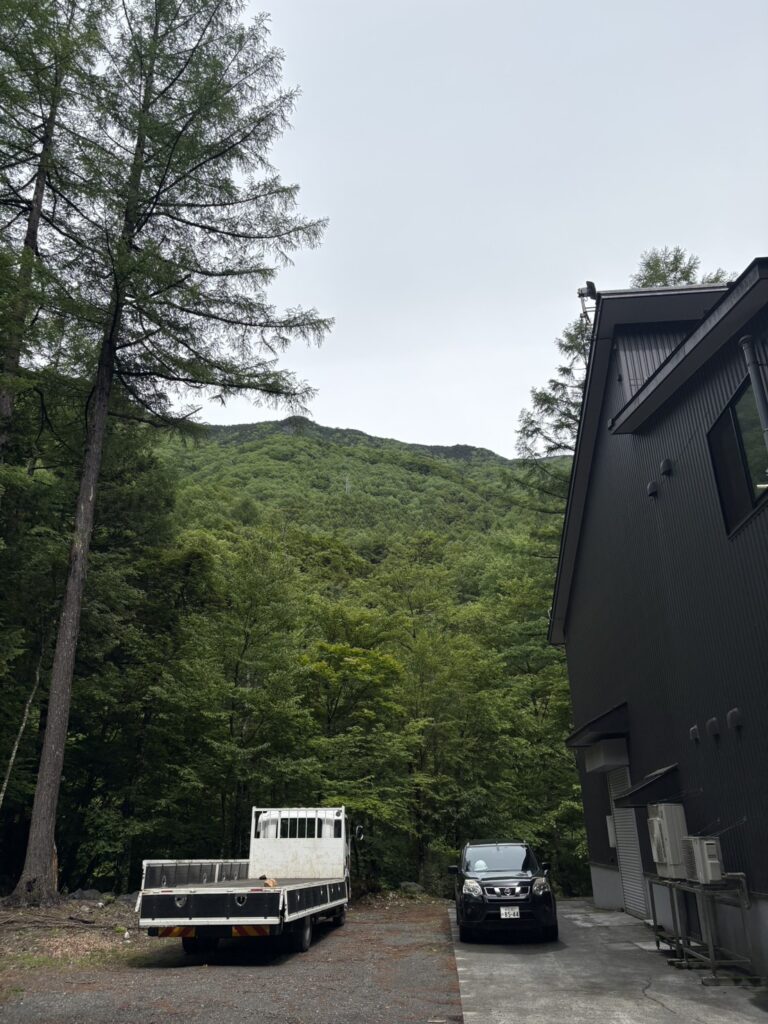
Probably the most remote distillery in Japan.
From Shizuoka Station to Ikawa Distillery: a whole four hours one way by car.
Last time, I wrote about “why they make whisky up in these mountains.”
This time, with photos, I’ll share the road I actually took, the craftsmanship I saw on the tour, and my hand-filling experience.
The road — four hours of lessons from the mountains
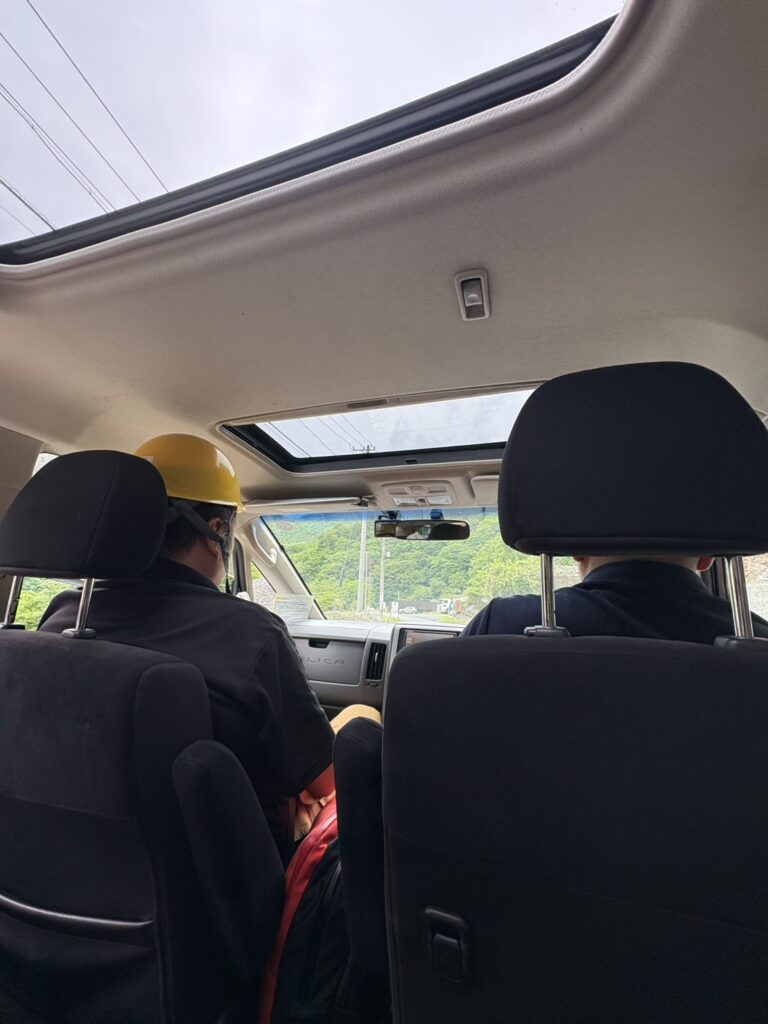
The road to the distillery is mind-bogglingly long.
In the forest, there is construction work to build roads and repair collapsed cliffs, and the times when roads are closed change day by day, so you can’t predict how long it will take.
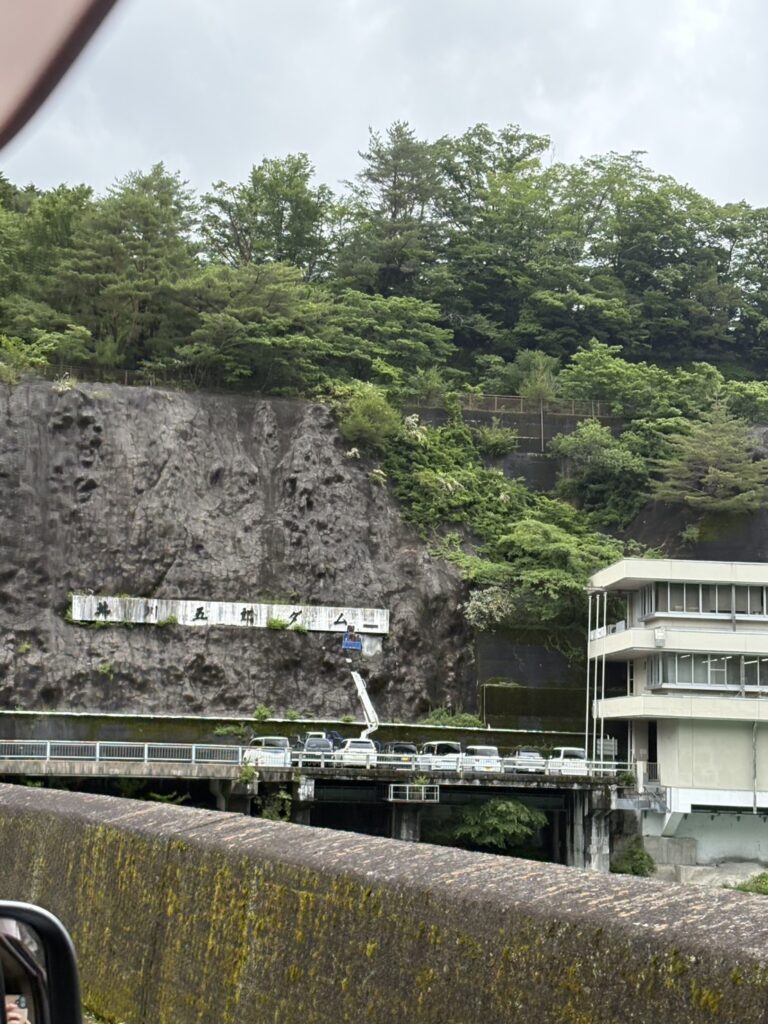
The dams we passed, one after another.
They support the water for our daily lives, but slowly fill with sediment. Here I learned they are facilities that can’t be renewed.
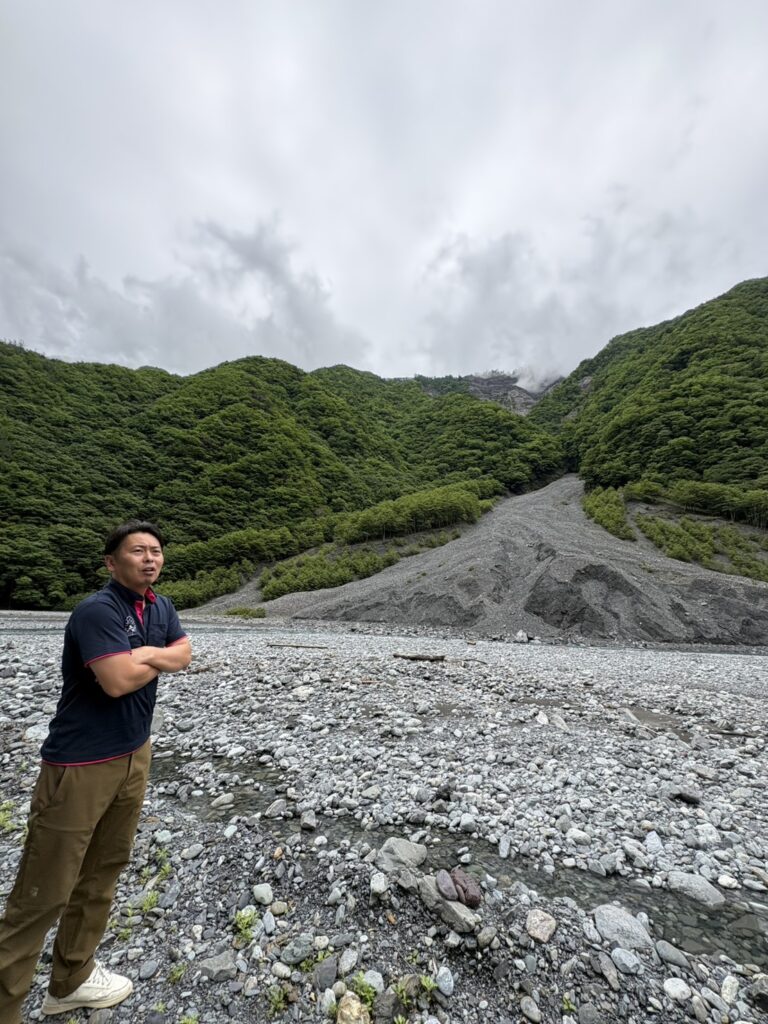
“Akakuzure.”
A huge collapse with a drop of about 1,000 metres.
Big enough to fit all of Disneyland inside — and what you can see is only a small part of it, I was told.
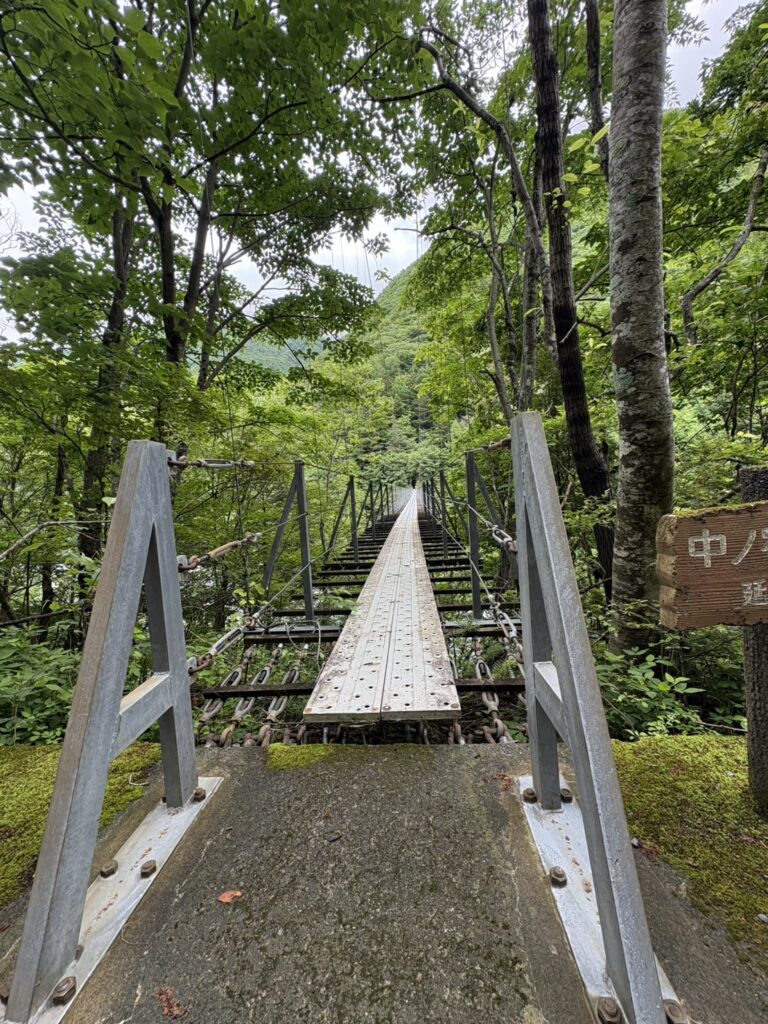
A suspension bridge on the way. Clear water flows beneath your feet.
↓ It was so scary I only made it partway across, but please watch the video!!
Mashing water that has just sprung from the ground.
Called the Tokusa spring, it is water filtered by the forests of the Southern Alps.
I couldn’t help taking a sip. Cold, and without the slightest off-note. This becomes whisky, just as it is.
On the way, there is also a field of gyoja ninniku (wild garlic) run by the president.
Wherever you look, the mountain scenery is like a painting.
On the way we met monkeys and deer, and could hear birdsong the whole time.
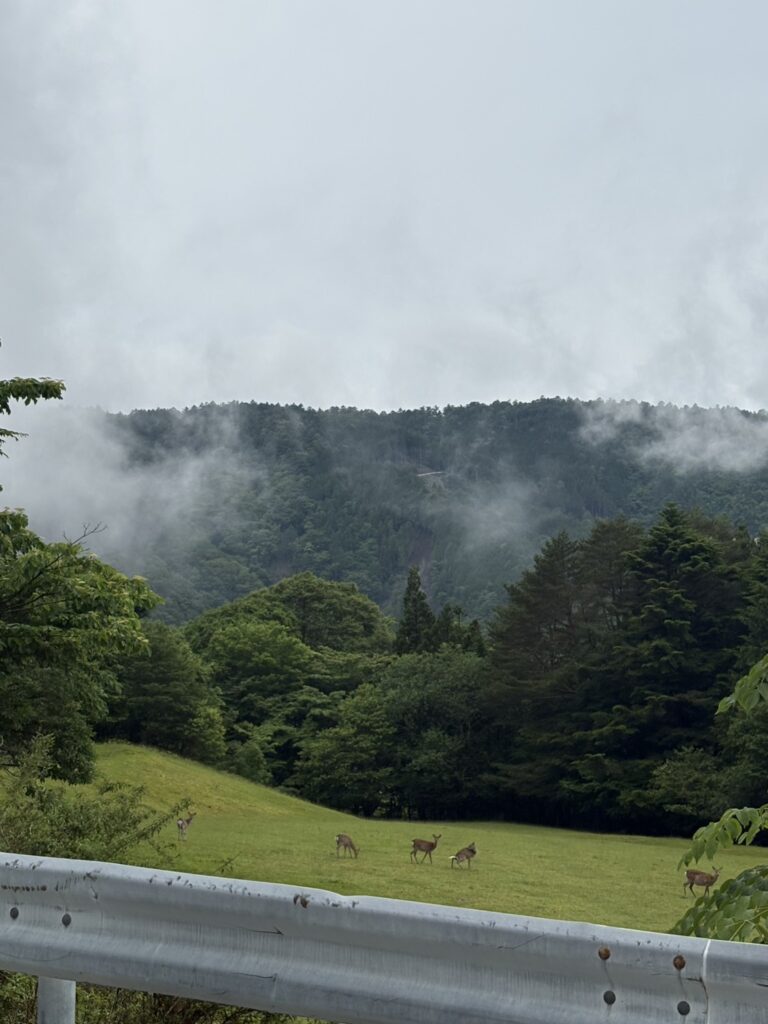
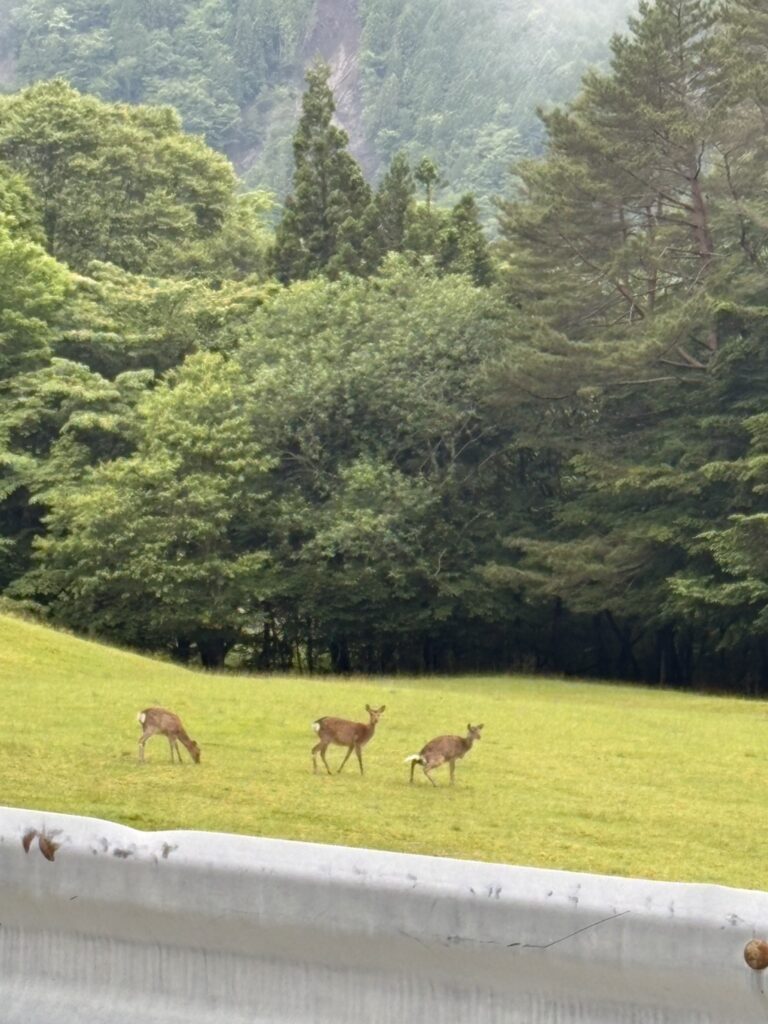
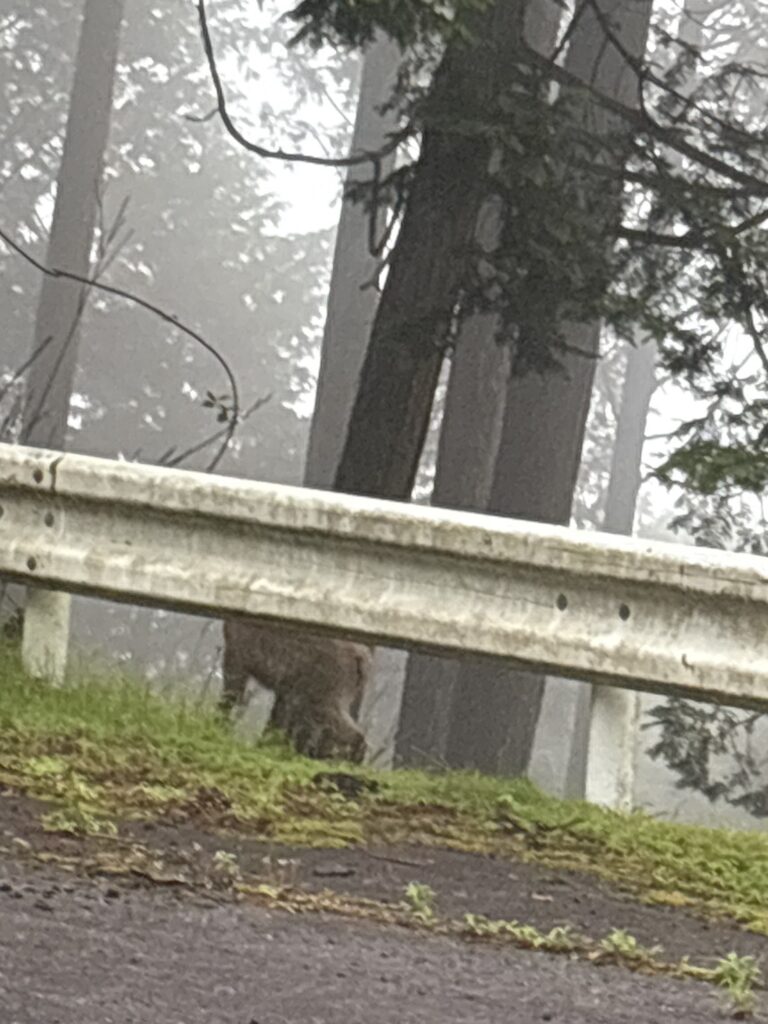
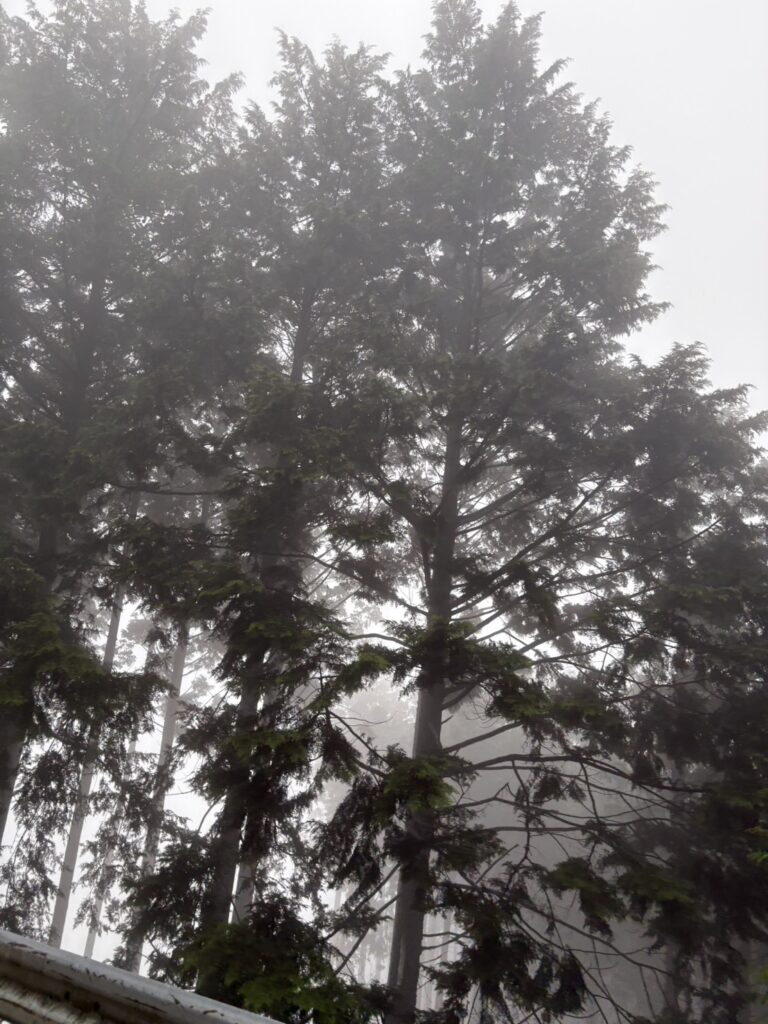
Here and there, I also saw people observing and recording endangered species.
Nature that is protected and watched over is truly here. That’s what this scene made me feel.
Before entering — washing tyres and shoes
After hours of driving, there is a place to wash the car’s tyres.
To avoid bringing in seeds of non-native plants from outside.
An extra step to keep the ecosystem of these mountains as intact as possible.
(I was inside the car, so I couldn’t take good photos.)
There was also a place to brush off the soles of your shoes.
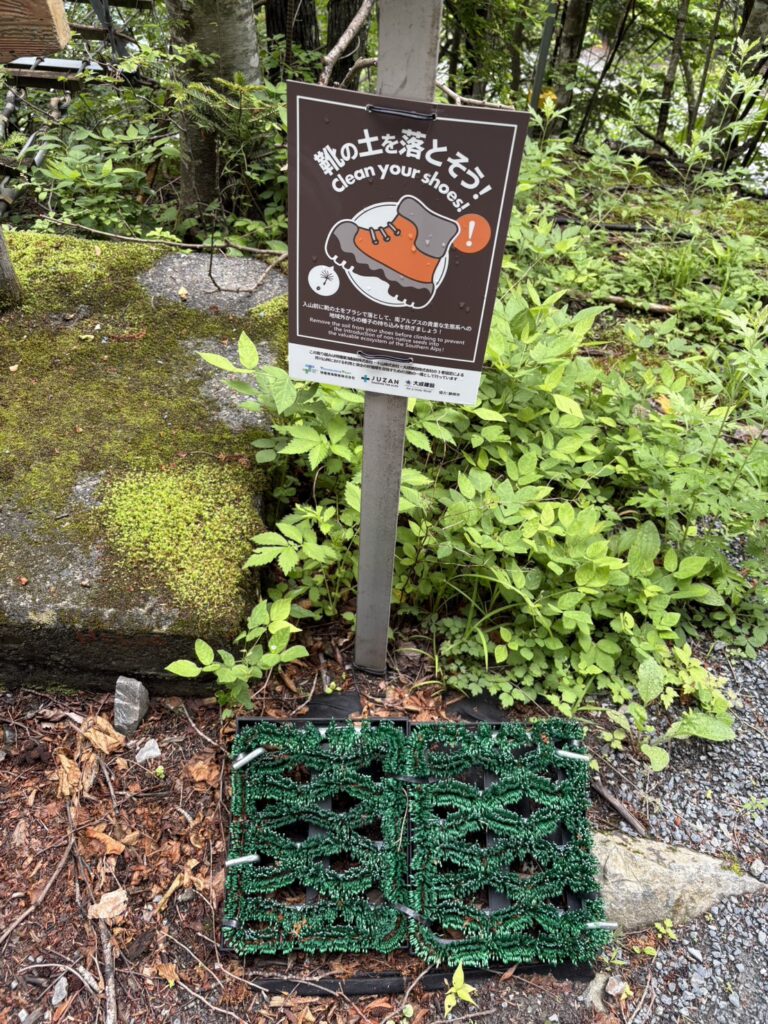
The philosophy of the “untouched forest” I wrote about last time lives on here, too.
Visiting here means being allowed to intrude on a part of this environment — that made me stand up straight.
Production — machines support it, people make the final call
Arriving at the distillery, the tour finally began.
Making things here relies on both machines and human senses.
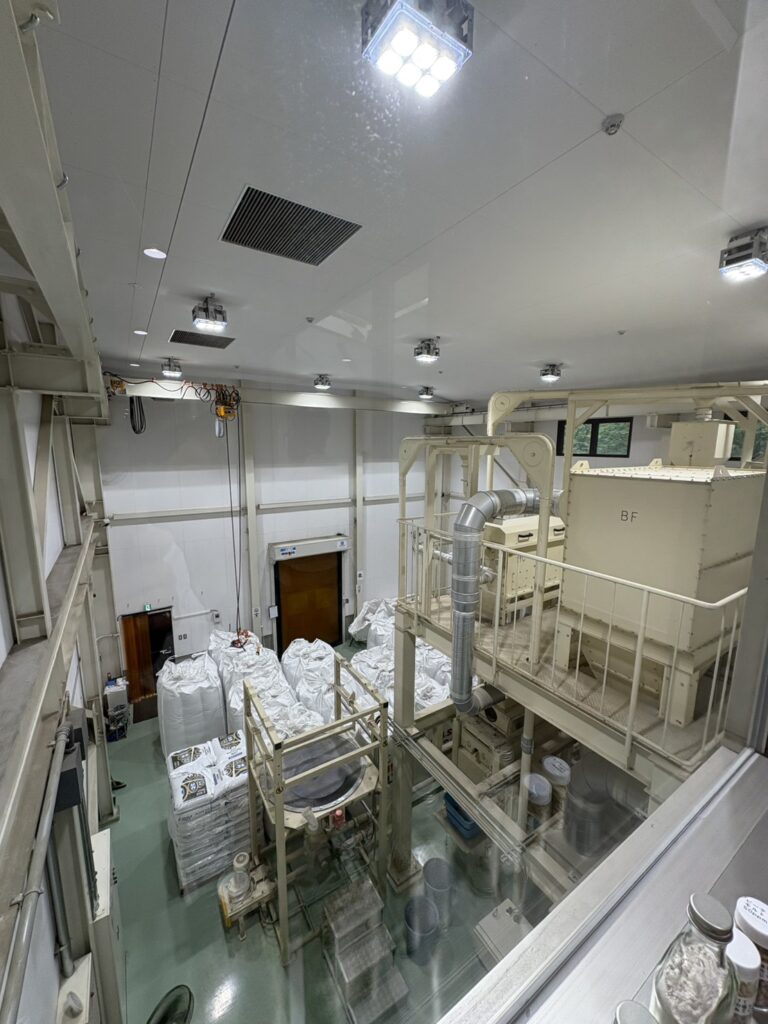
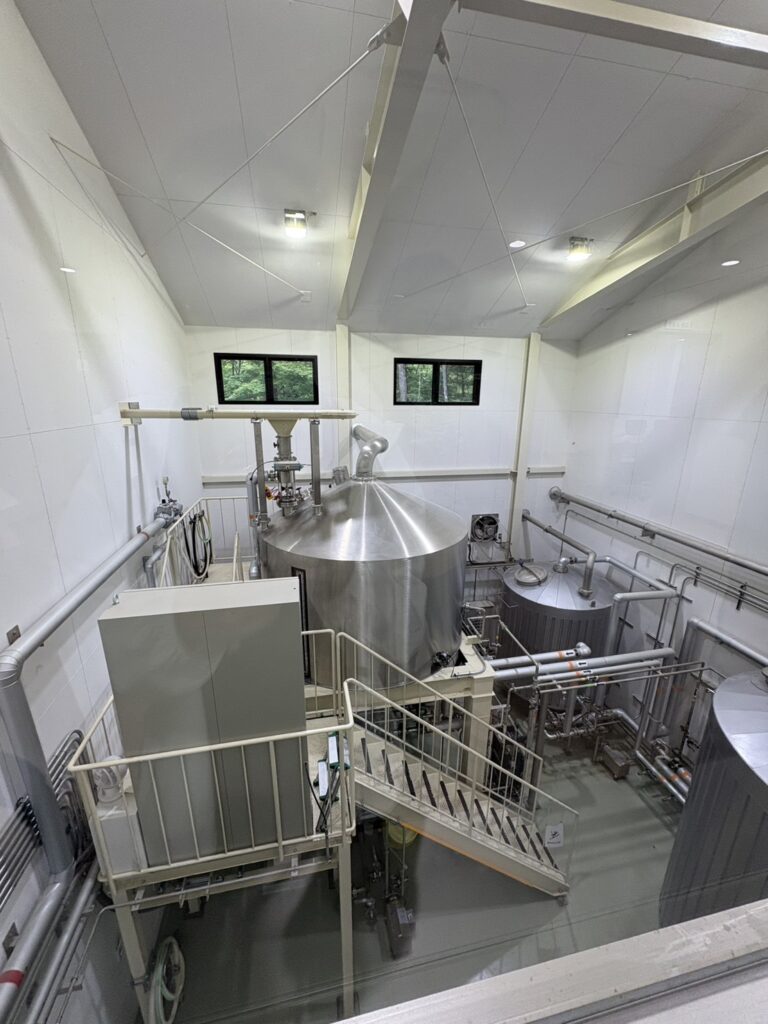
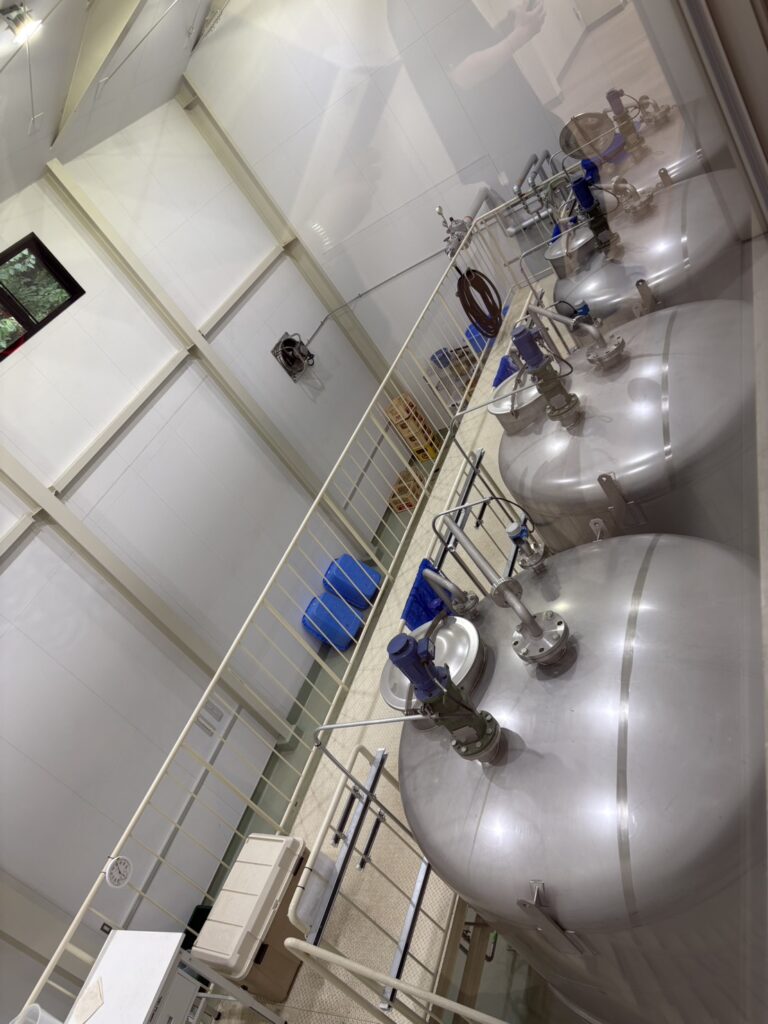
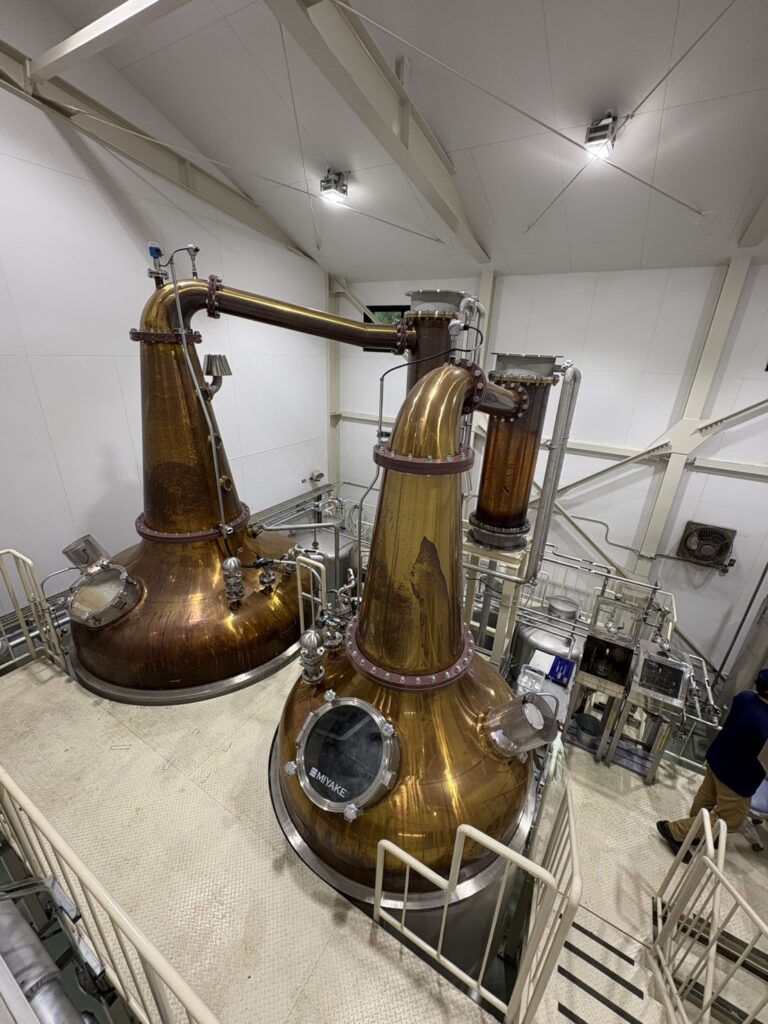
During the tour, an announcement suddenly played over the speakers and startled me.
Sensors are fitted to the pot stills, and when the temperature or level reaches a set value, an announcement plays automatically.
Without someone glued to the still, the machine lets you know: “Now’s the time.”
But here is the most important part.
Which part of the distilled spirit goes into the cask as “the most delicious part”?
That cut alone is never left to the machines.
Every day, the makers check with their own tongue and nose and decide, I was told.
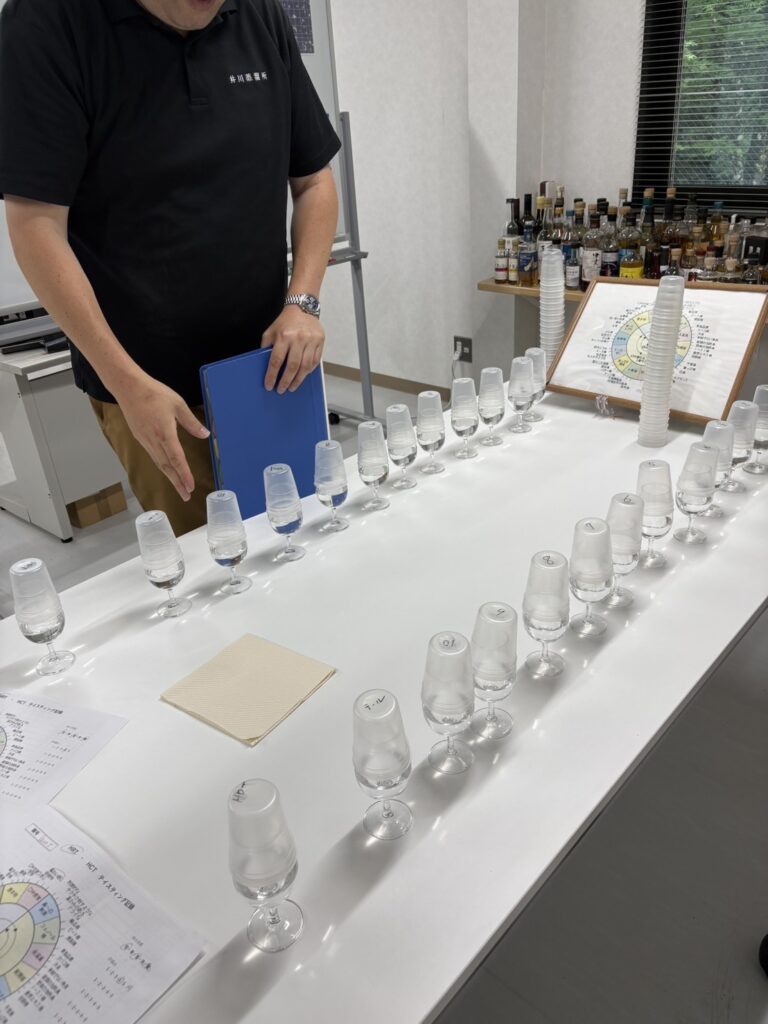
Each process has someone in charge, and each takes pride in it.
It connected directly with the mountain story from last time.
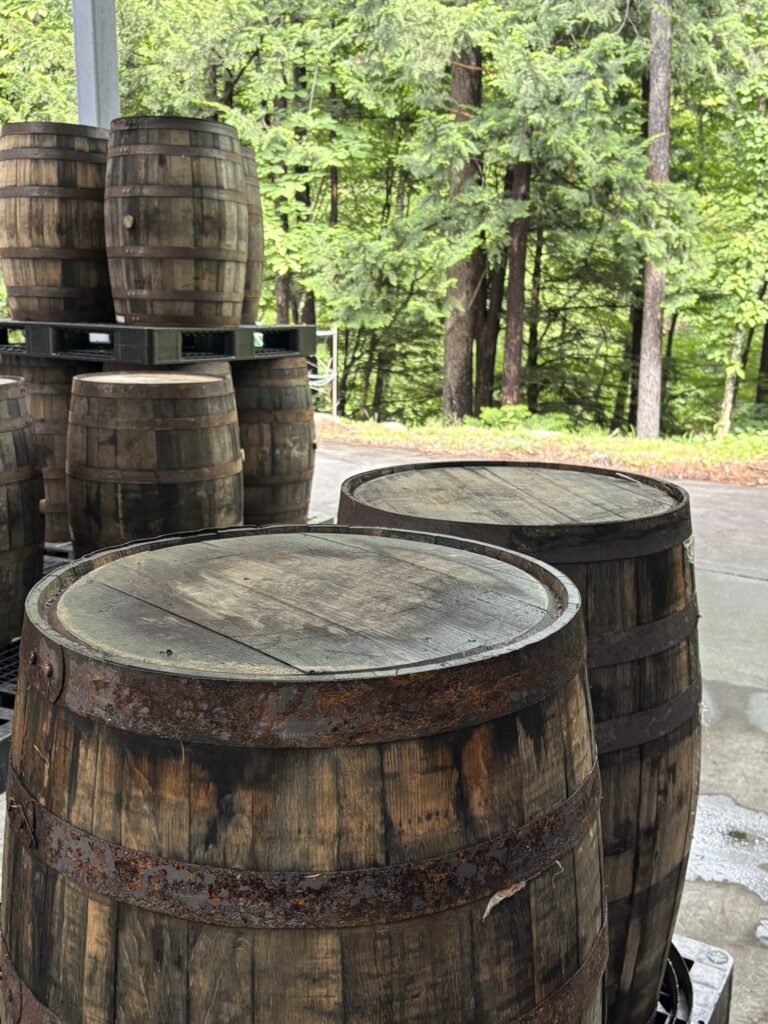
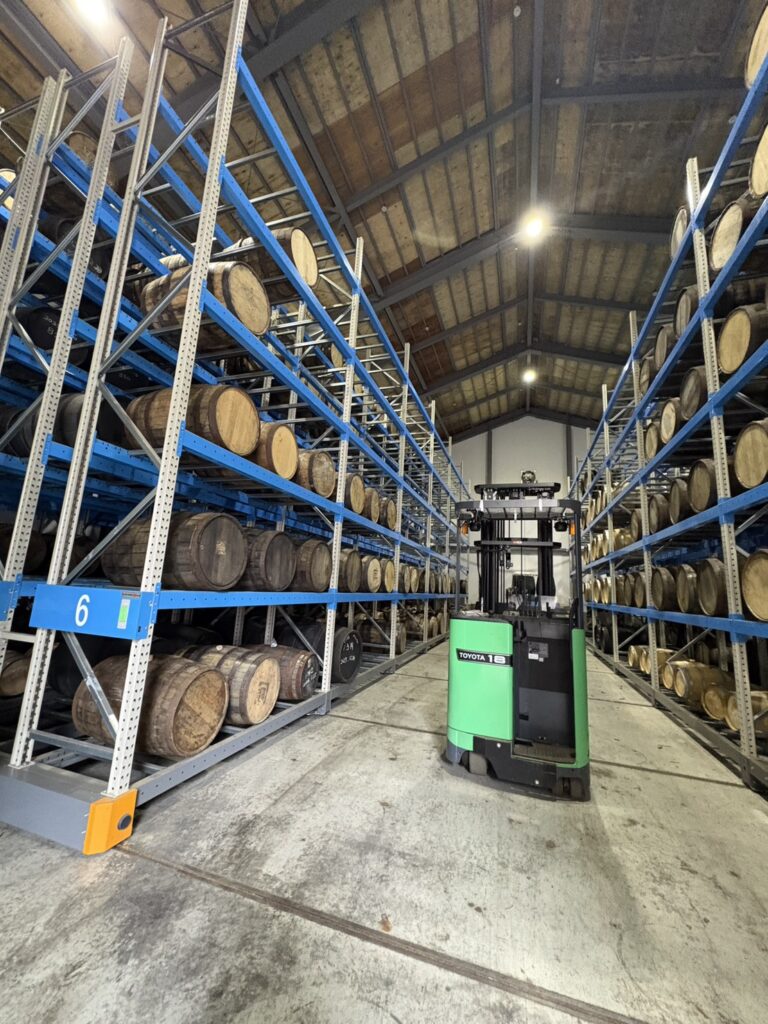
Casks for maturation. Besides bourbon and sherry, there are also mizunara casks from their own forest.
The first mizunara casks were made from trees that had fallen, I was told.
At 1,200 metres, in a forest prone to mist, the spirit matures slowly.
The production team can’t come down the mountain every day, so they basically live nearby.
Literally, they make whisky while living on this mountain.
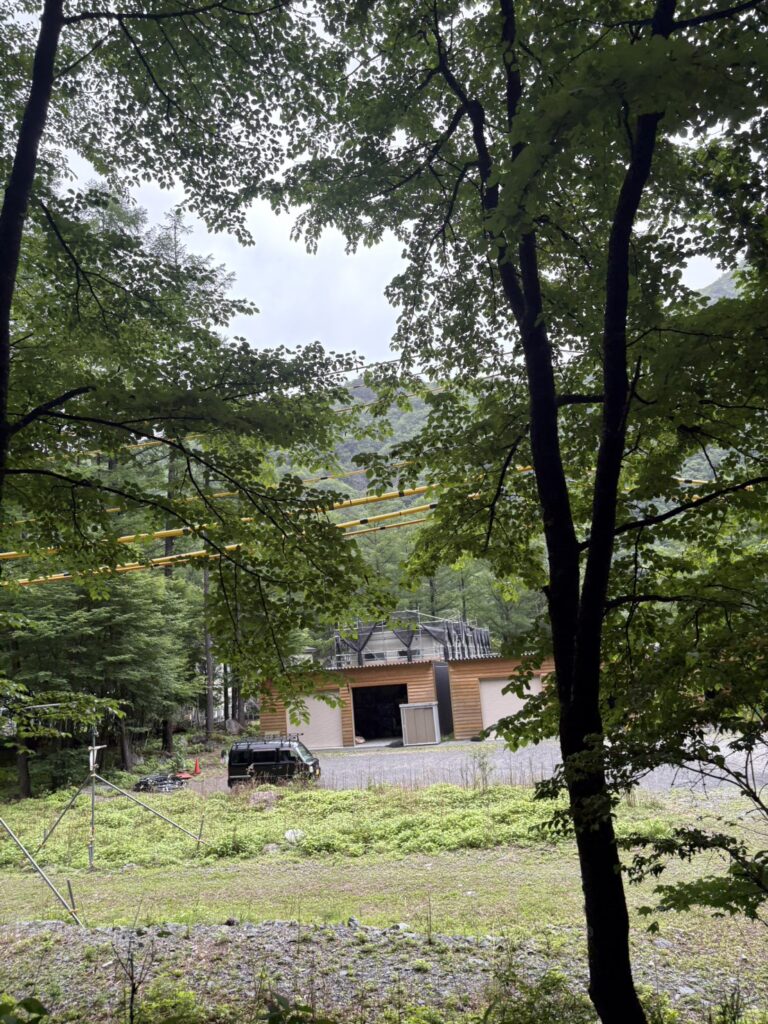
↑
It seems people involved with these mountains and climbers use it too; meals are included and it’s comfortable, I hear.
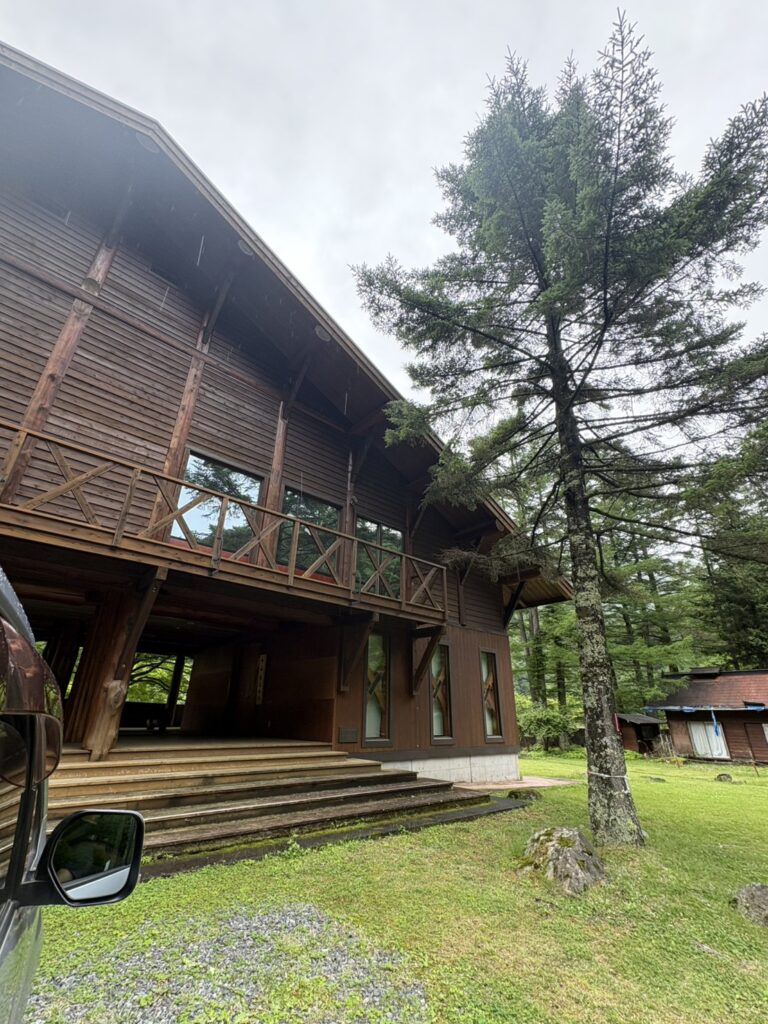
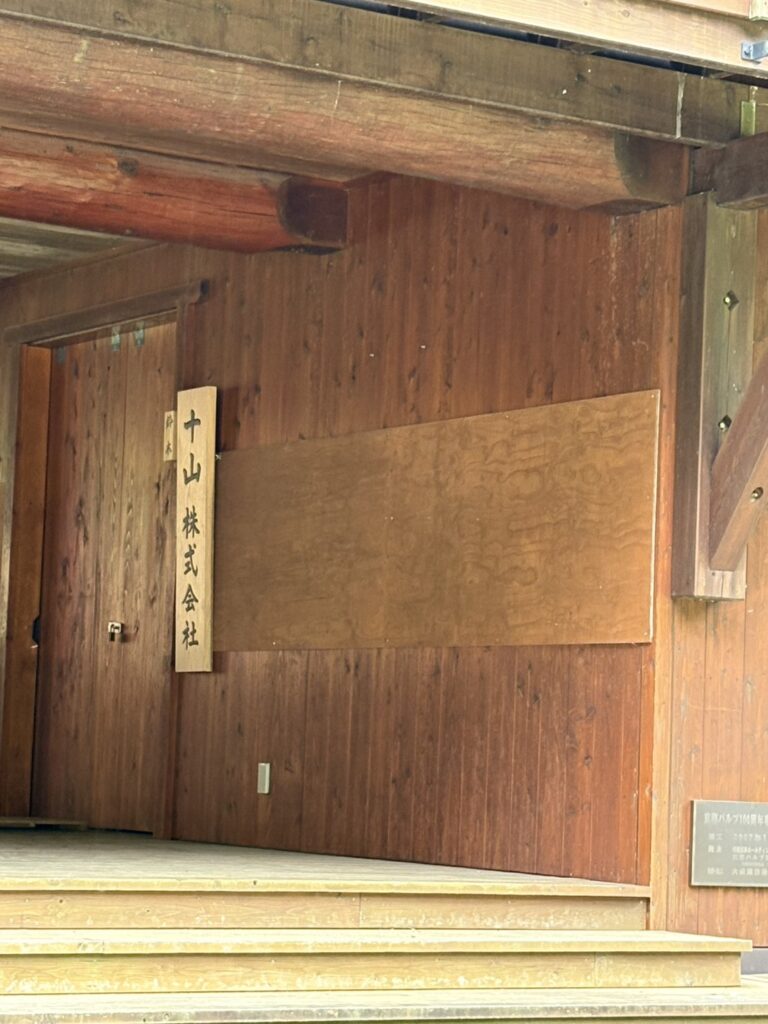
Near the distillery is also the head office of Juzan Co., Ltd., which runs it.
Its second floor is a gallery of Shiro Shirahata, a mountain photographer who kept photographing the Southern Alps.
They hope to open it as a bar someday.
As someone who runs a bar, I can’t wait for that day.
Hand-fill
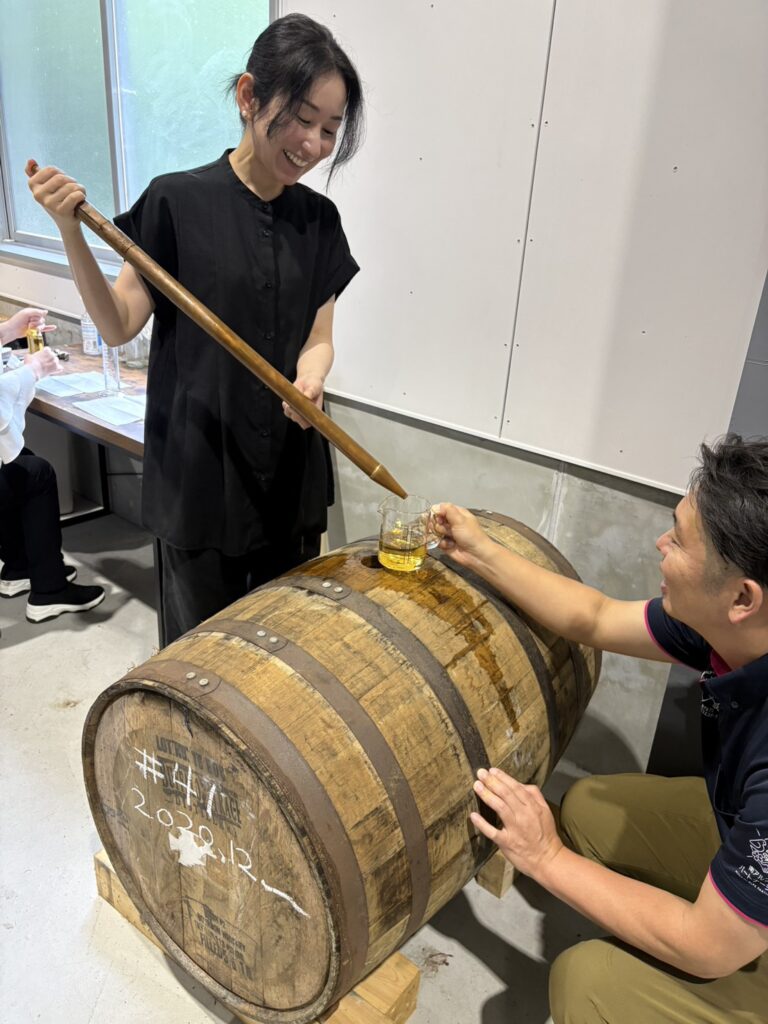
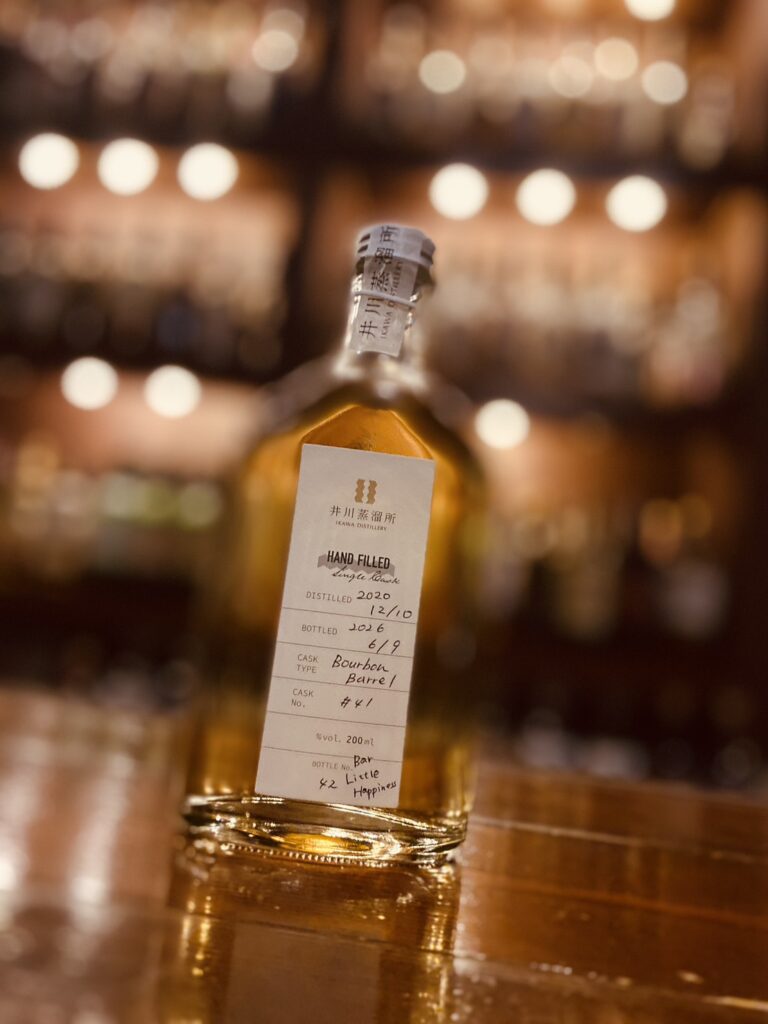
I was allowed to fill from a non-peated bourbon barrel distilled in the very early days after this distillery started running.
Tasting
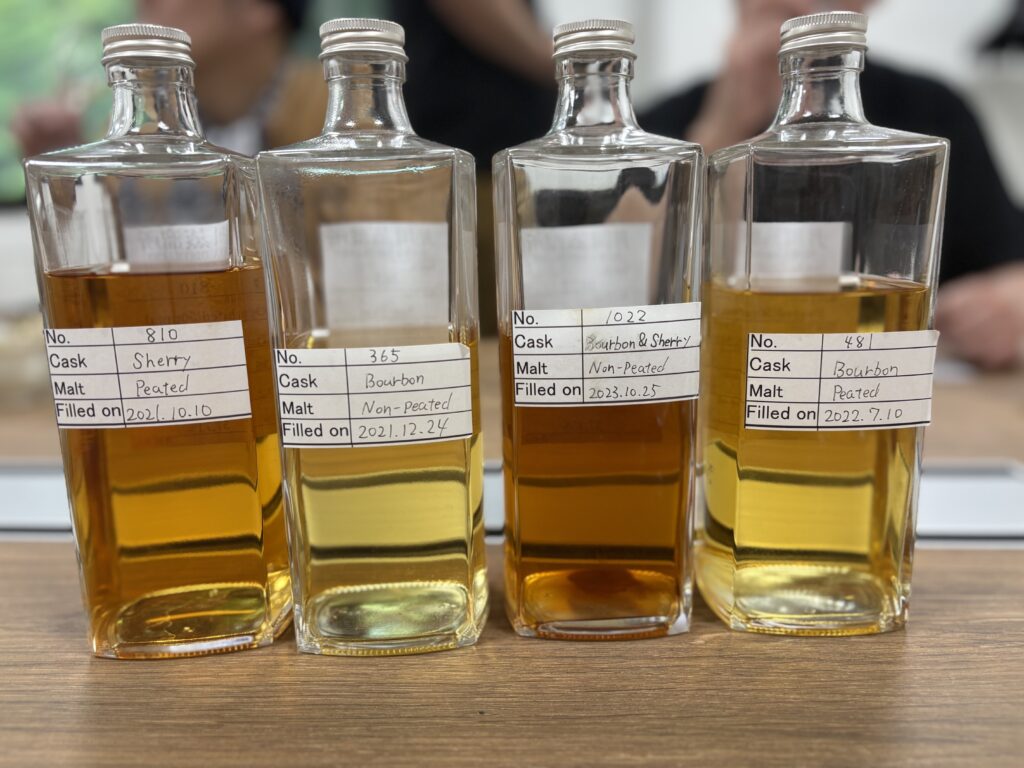
Finally, they also let me taste.
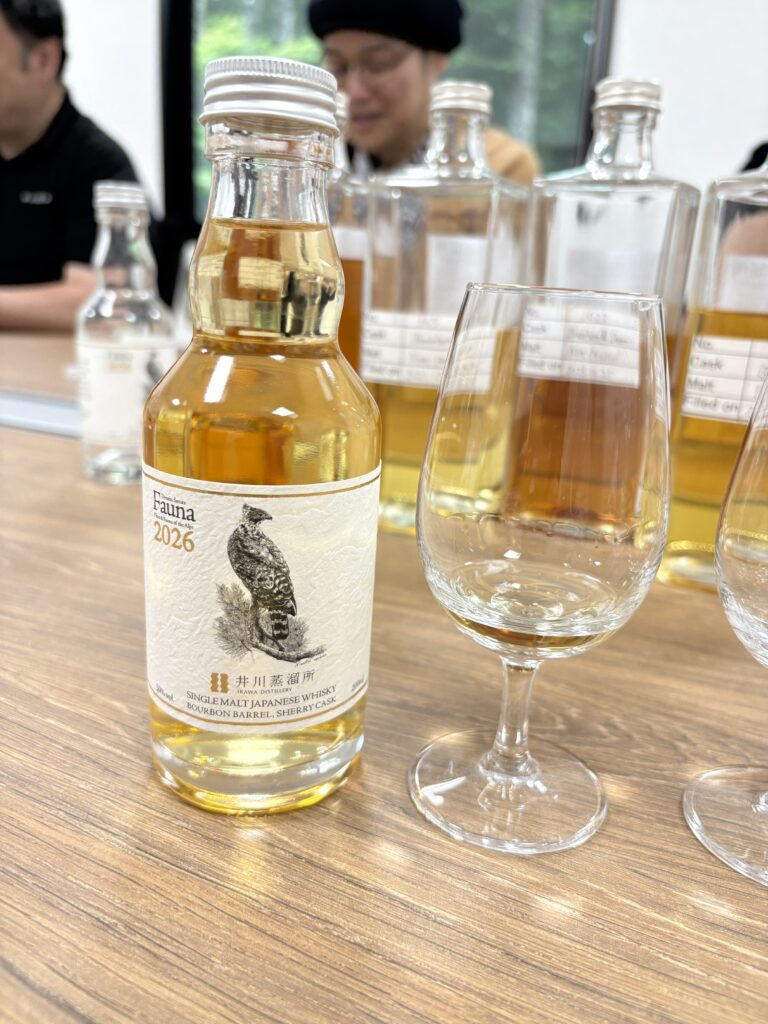
Ikawa Distillery currently releases four expressions. I tasted the spirits used in them.
Rather than savouring a finished glass, it was time to check the starting point of something that will grow over decades.
↑
The newest series, “Ikawa Distillery Single Malt Dessin Series Fauna 2026,” features a mountain hawk-eagle (kumataka) in its design.
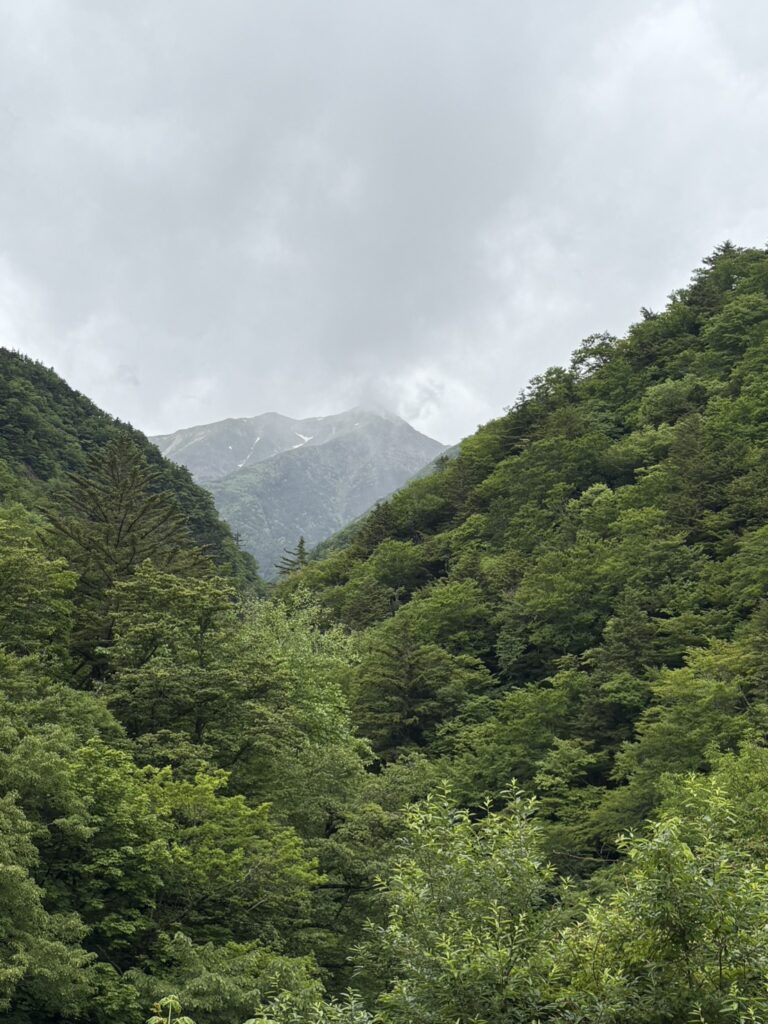
I happened to be able to photograph the very scenery used on the box.
How will it grow in this environment?
What I most wanted to know was what comes next.
In the mist at 1,200 metres.
Low air pressure, cold and damp air.
This maturation environment is completely different from other Japanese distilleries.
Many Japanese distilleries are in relatively warm places, and the higher the temperature, the faster maturation progresses.
But here, it’s cool even in summer, and in winter it drops below freezing —
a cool highland.
So maturation will probably progress slowly, and I imagine it will mostly become long, patient maturation.
In fact, Ikawa Distillery itself is looking ahead to long ageing, I was told.
How will this one-of-a-kind environment change it over years, even decades?
Ikawa Distillery, with a rock-solid business base.
From now on, it will soak up plenty of this mountain’s time.
Thinking that, I can’t wait for future releases.
More of Ikawa — sights along the way
Getting here is hard, but there are places around that are worth the detour.
Just a few, with photos.
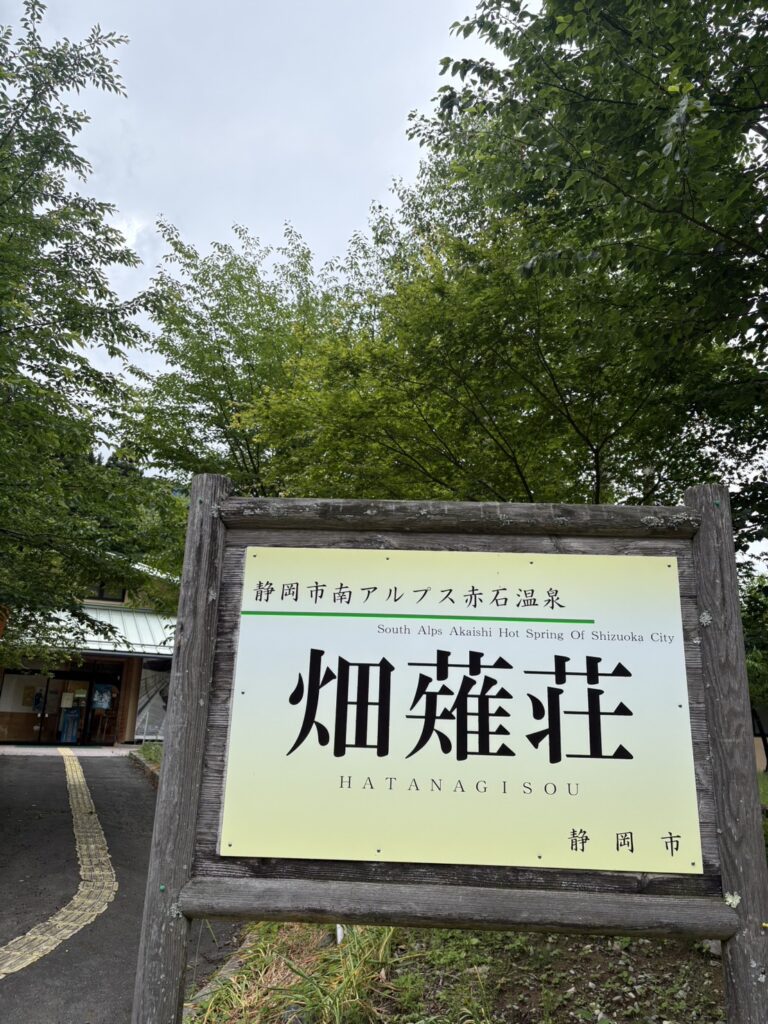
Minami Alps Akaishi Onsen Shirakaba-so.
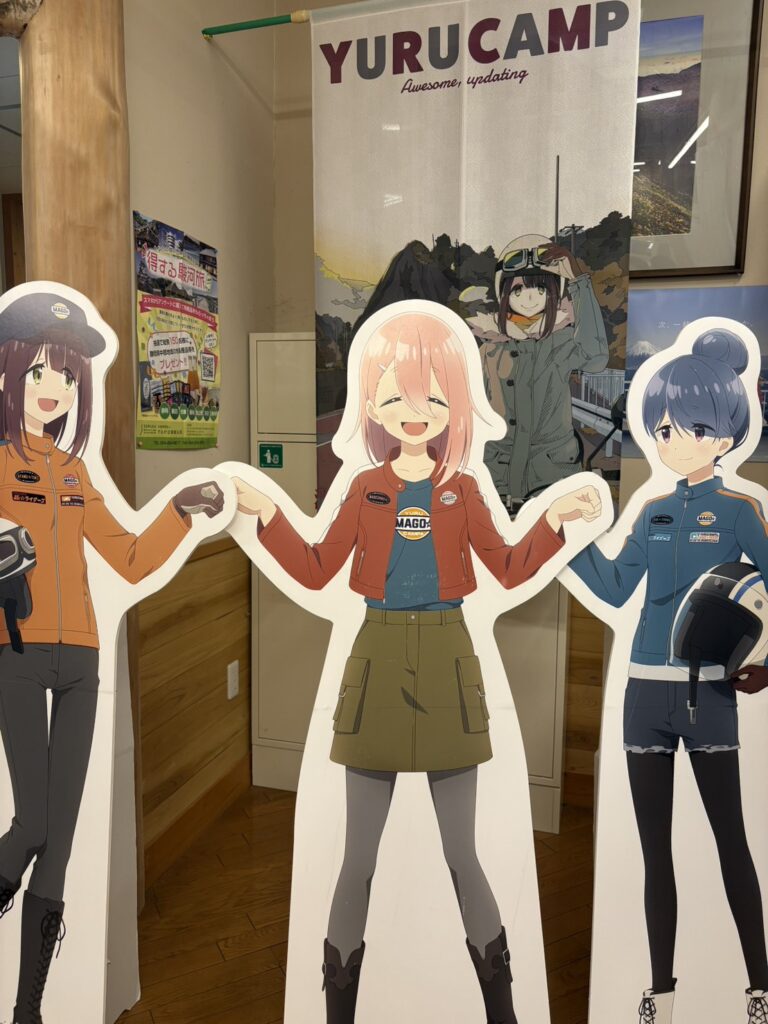
A model location for “Laid-Back Camp (Yuru Camp△) SEASON 3.”
For a limited time, its sign has been changed to “Hatanagi-so,” the name of the facility in the anime.
The Oigawa Railway Ikawa Line.
Born for dam construction, it is Japan’s only Abt rack railway, climbing a 90‰ gradient — the steepest in Japan.
Before you visit — getting there and what to bring
Finally, a few notes for anyone who has become interested.
First of all, Ikawa Distillery does not offer official tours.
What I’ve written here is only what I was allowed to experience.
Please understand that the same things won’t necessarily happen the same way for everyone who visits.
With that in mind, about getting there.
Visits are possible only from around April to November.
Even bar professionals can only go about four times a month.
Depending on the weather, it’s not unusual to have to turn back on the way.
What’s more, part of the road is private land.
You can’t drive in with your own car, so if you do visit, please take great care.
Things that were good to bring (in my case):
- Warm clothes. It’s high up and quite cold even in summer.
- Comfortable shoes you don’t mind getting dirty.
- Something for car sickness. The mountain road goes on and on — four hours one way.
- Drinks and snacks. There are almost no shops around.
- It’s very humid, so your hair will explode. Women with wavy hair may want a hair tie.
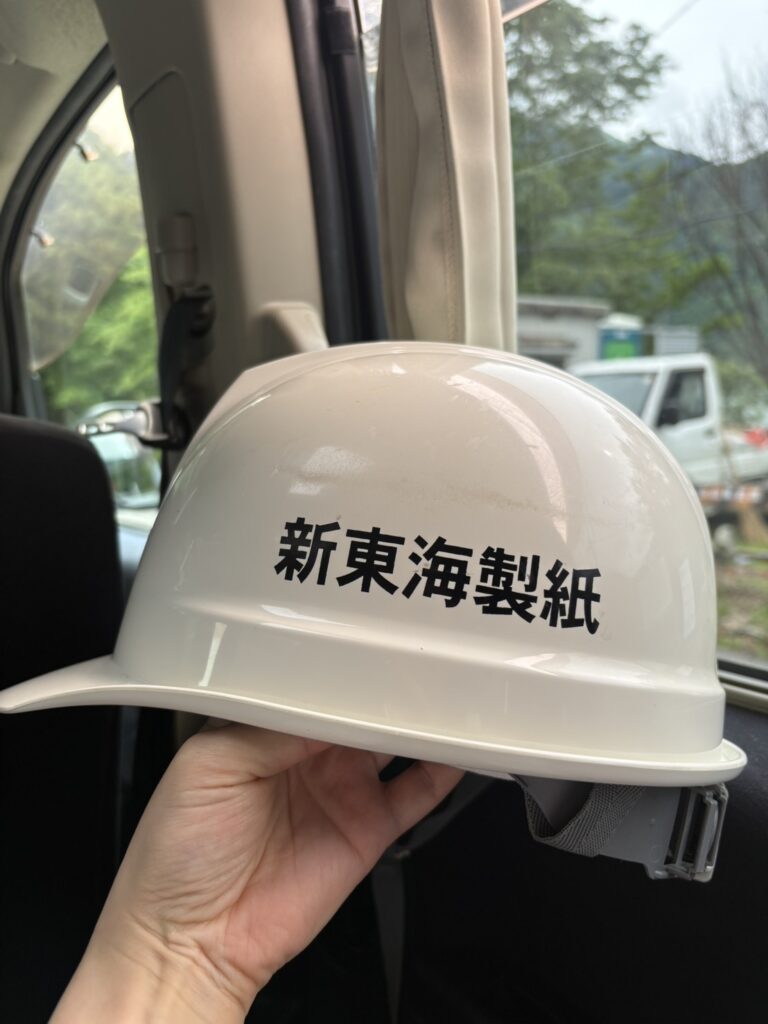
(The distillery provided helmets for sections with falling rocks.)
Probably the most remote distillery in Japan.
Every encounter is meant to be. Welcome to the world of Rum&Whisky.
“Whisky and rum taste even better when you touch the hearts of the people who make them.”
[About the author]
Mika Tanimoto
CEO, Little.m Inc. / Owner-bartender
Since 2006, I have run Bar Little Happiness, a whisky and rum bar in Nagarekawa, Hiroshima. I visit distilleries in Japan and around the world and write about the people who make the spirits. Recipient of the Hiroshima City Excellent Skilled Worker Award.
“Whisky and rum taste even better when you know the hearts of the people who make them.”
[Visit the bar] 📍 Bar Little Happiness
Rolling Nagarekawa 1F, 5-14 Nagarekawa-cho, Naka-ku, Hiroshima
Mon–Sat 7:00 pm – 12:30 am / Sun 7:00 pm – 12:00 am (closed when I travel to visit distilleries)
No cover charge, no reservation needed