
Saburomaru Distillery, Part 5: Laying Down a Hundred-Year Comeback
2026.2.08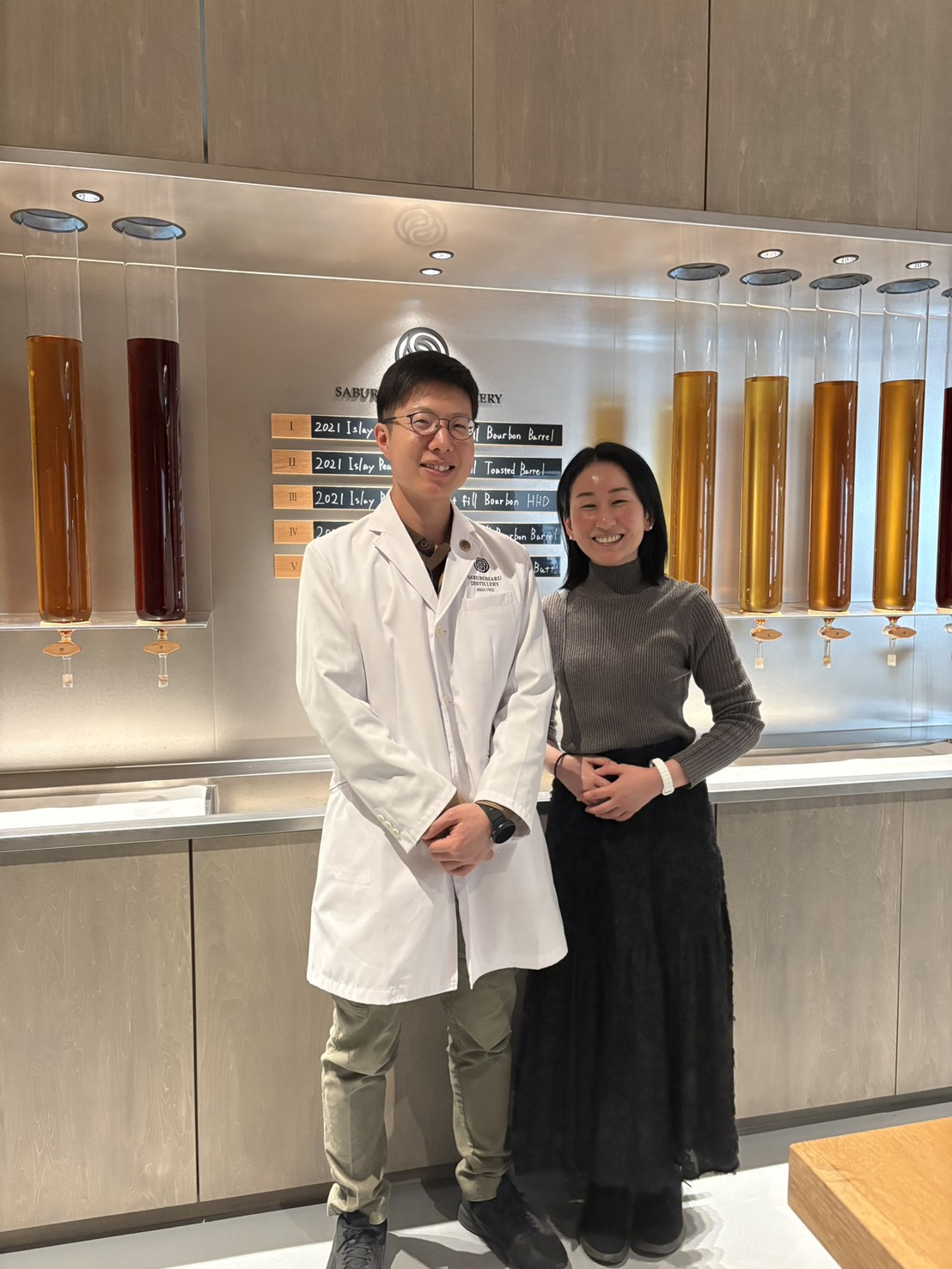
Not the success of one distillery, but Japan as the finest whisky-producing country in the world a century from now. What I looked at inside Saburomaru’s inner room were the marks of an enormous prayer, aimed at the future.
This is the last part of the journey through Saburomaru.
What’s left is the blending room — the inner sanctum.
And the enormous picture of Japanese whisky’s future that Inagaki draws from that room.
Into the blending room. Weaving spirits together like kumiko, Toyama’s traditional joinery, and an amber puzzle worked out to the millimetre
The blending room isn’t open to the public yet. They plan to open it.
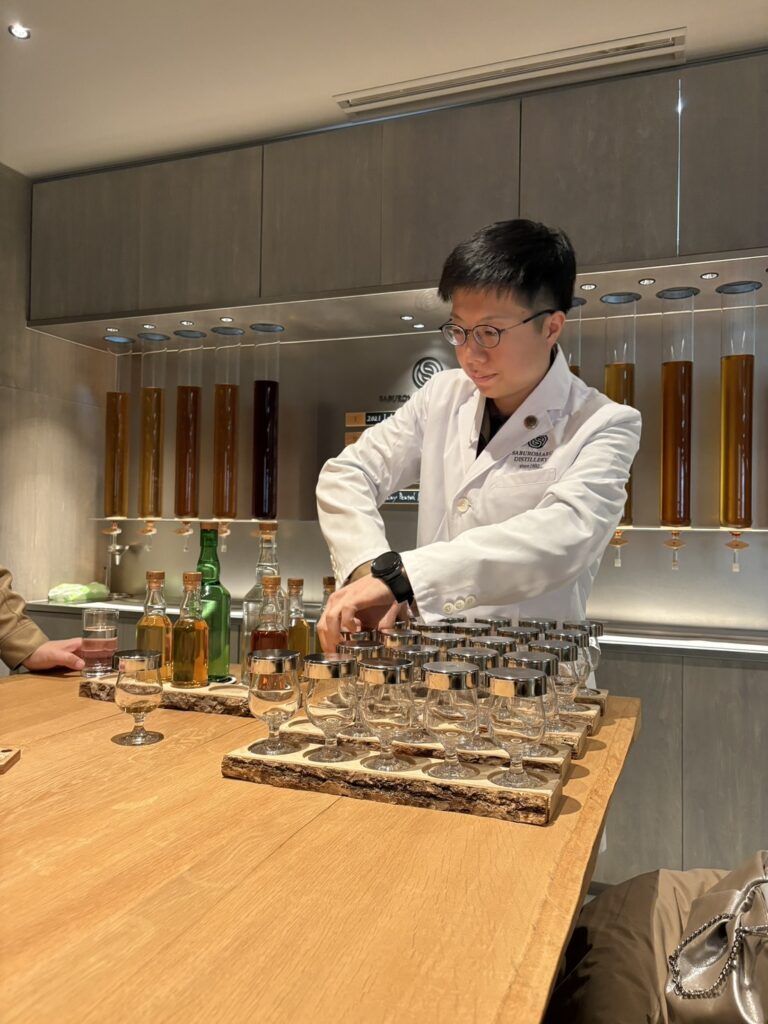
Single malt samples line an entire wall, like pieces of a finely made puzzle.
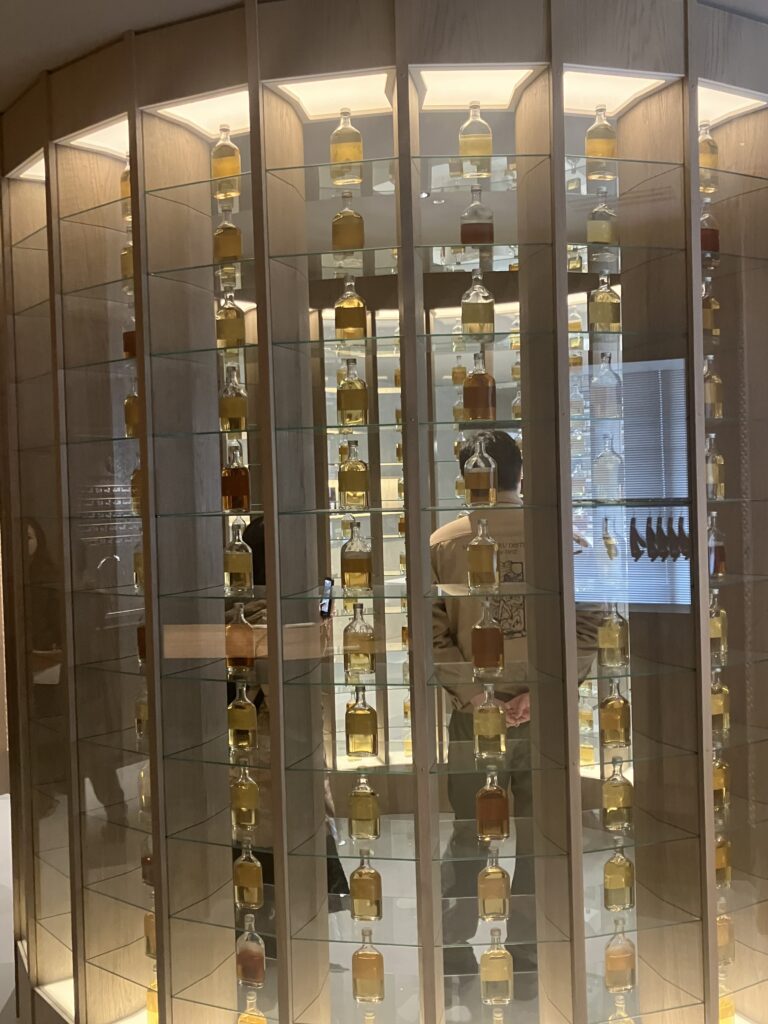
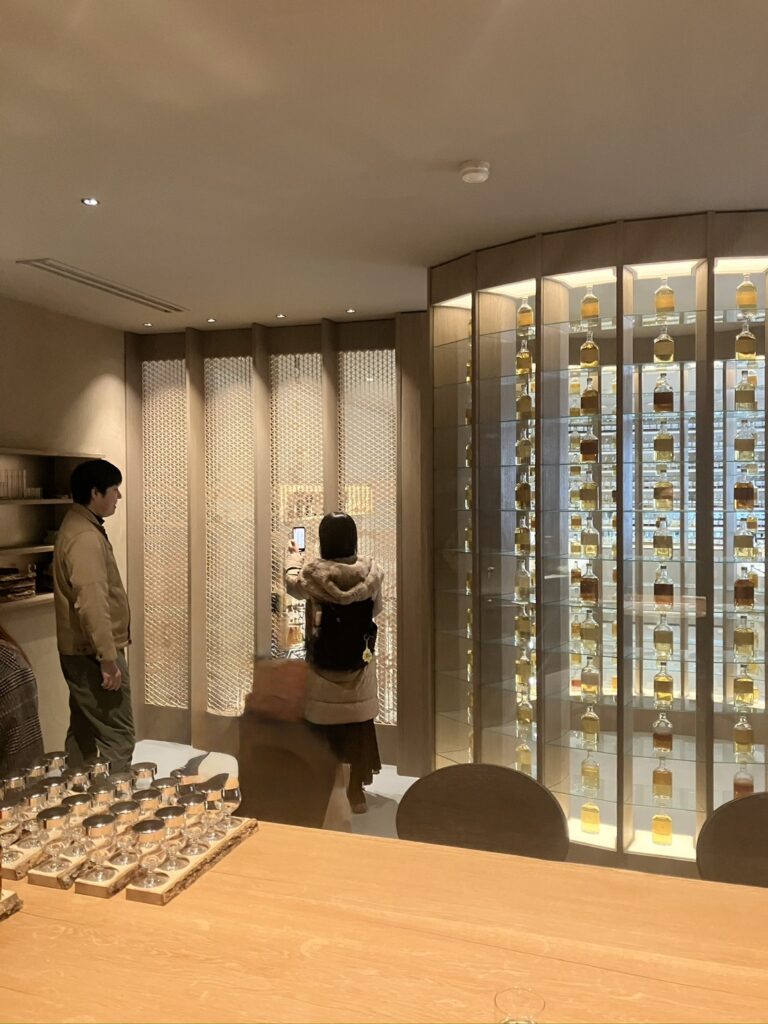
Inagaki lays the work of combining these spirits into a single finished thing over the delicacy of kumiko — Toyama’s traditional wooden latticework, assembled without nails.
Different pieces fitting exactly, and a single beautiful pattern coming out of it.
That is the moment Saburomaru’s flavour is decided.
THE LOVERS: sparks between sea peat and land peat, and two independent things sounding against each other at cask strength
What Saburomaru is, is that intense smoke.
And the plan behind it is drawn with startling logic.
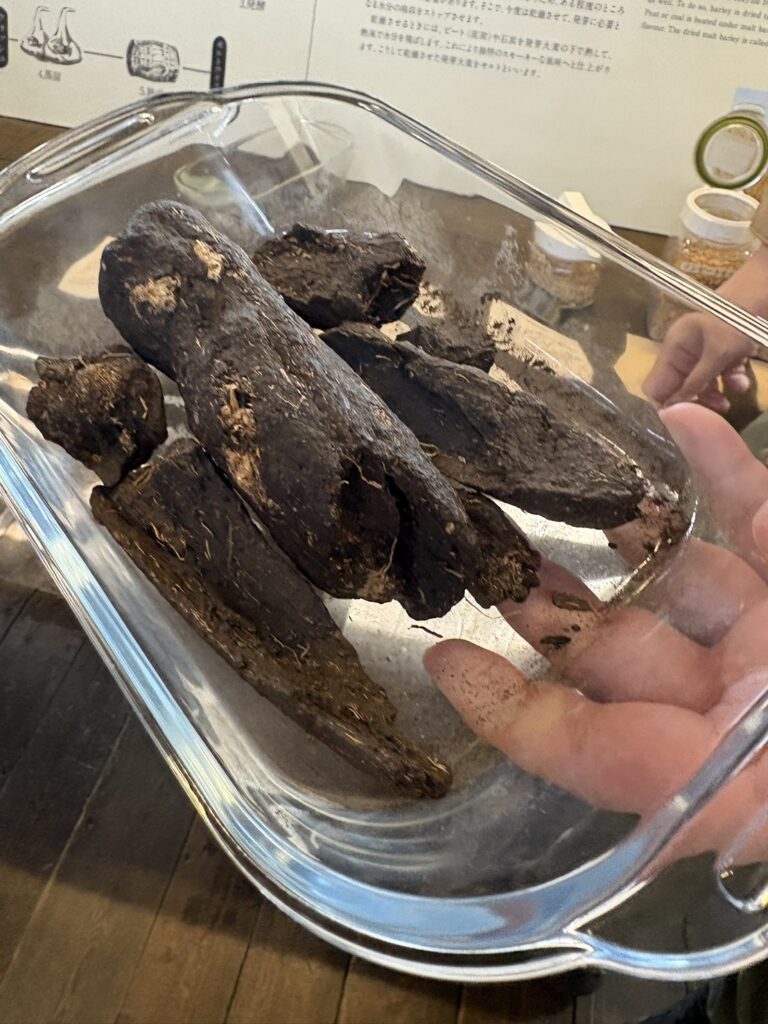
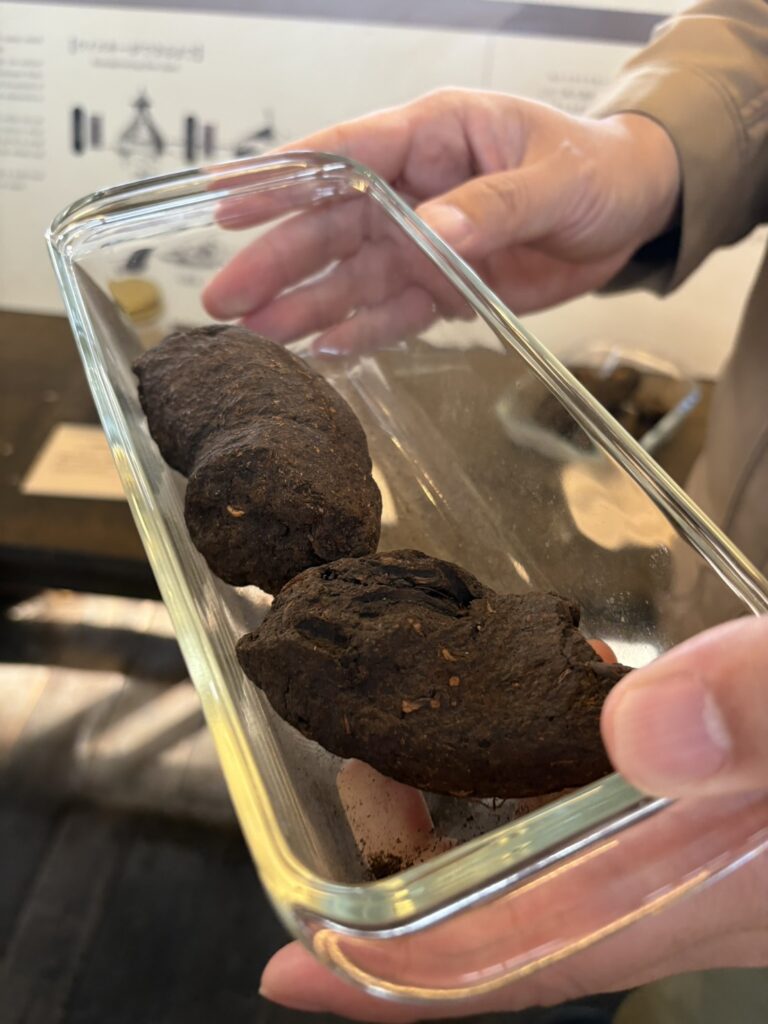
- Sea peat, from Islay: a material Inagaki calls genuinely precious. Notes of sea air and seaweed, soft, with a long finish — a feminine character, as he puts it.
- Land peat, from inland: a dry texture, like earth and branches. At 50 to 80 ppm it hits hard enough to build the skeleton of the flavour.
THE LOVERS is what happens when those two opposite characters are made to sound together.
I finally got to taste the cask strength version. (I said I’d never had it, and out it came. Sheer joy.)
At cask strength, he says, the two assert themselves fiercely against each other, throwing sparks like a married couple arguing.
To me it felt less like an argument than two independent people connected somewhere deep — a tension that sits well.
The reduced version, which we carry here, is two people who trust each other smiling face to face. A calm peat.
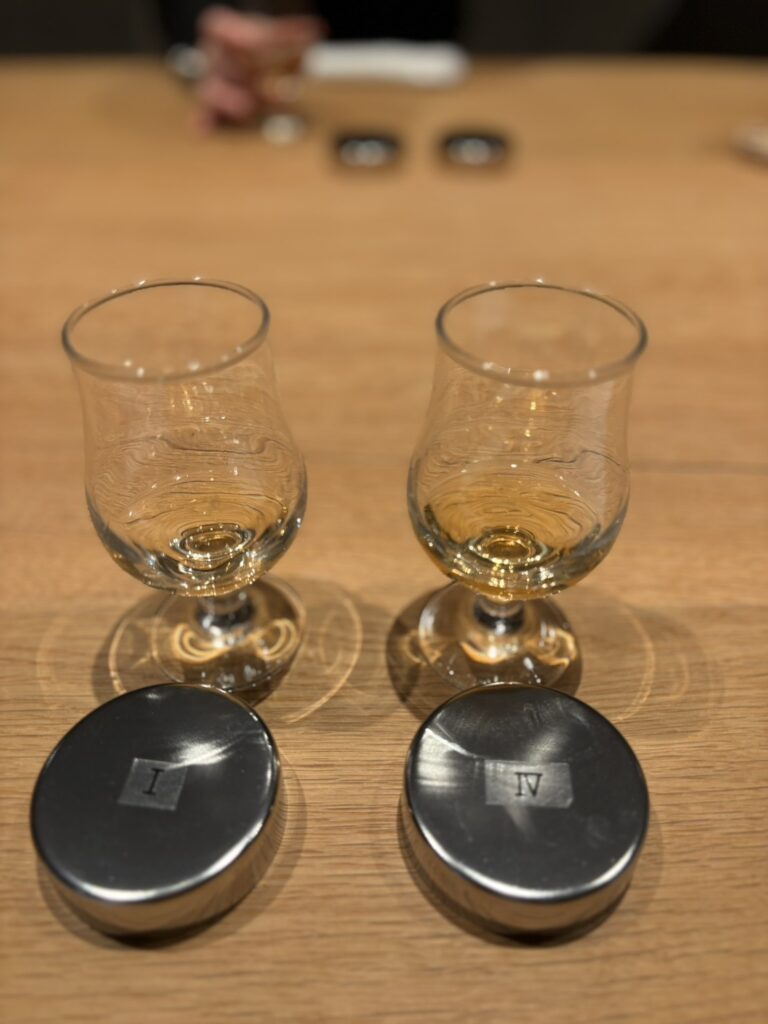
And behind the change from Saburomaru IV to V sits a matured yeast they cultured themselves.
From a dry texture toward something richer.
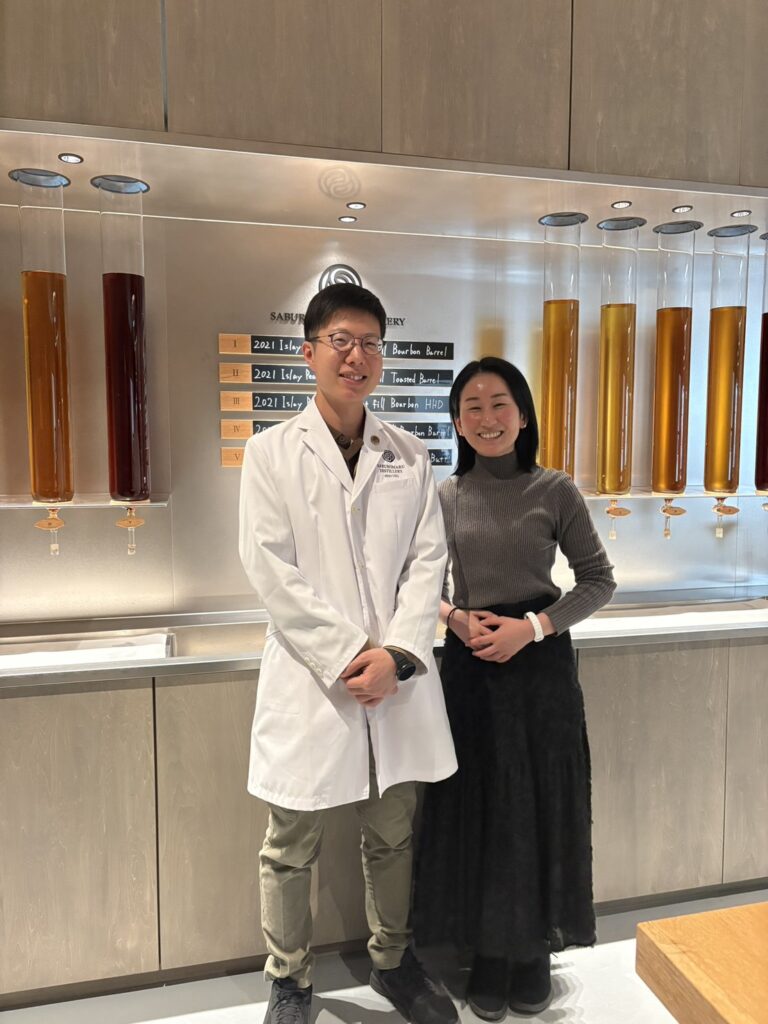
I asked the president so many questions that we ran out of time. I have almost no photographs, and I barely got to hear from Hanazato, the chief blender. That sits badly with me, so I’ll go back before long and write about it again.
Believing Japan will lead the world in a hundred years. What Inagaki has put into T&T TOYAMA and Re:COOPERAGE, and the infrastructure he is building for the whole industry
Inagaki carries a constant awareness that Japanese whisky sits a hundred years behind Scotland.
But his eyes weren’t on despair. They were on turning that around, a hundred years from now.
The seed he is pouring himself into now reaches far past one distillery. It is infrastructure for the whole of Japanese whisky.
• Casks, as infrastructure:
Re:COOPERAGE trains coopers — there are said to be fewer than 100 in Japan — and takes in cask repairs from other companies.

• Variety, as infrastructure:
T&T TOYAMA, Japan’s first independent bottler, carrying spirit from the country’s small distilleries out into the world and raising quality together. (They also bottle Scotch, consult for distilleries, and more.)
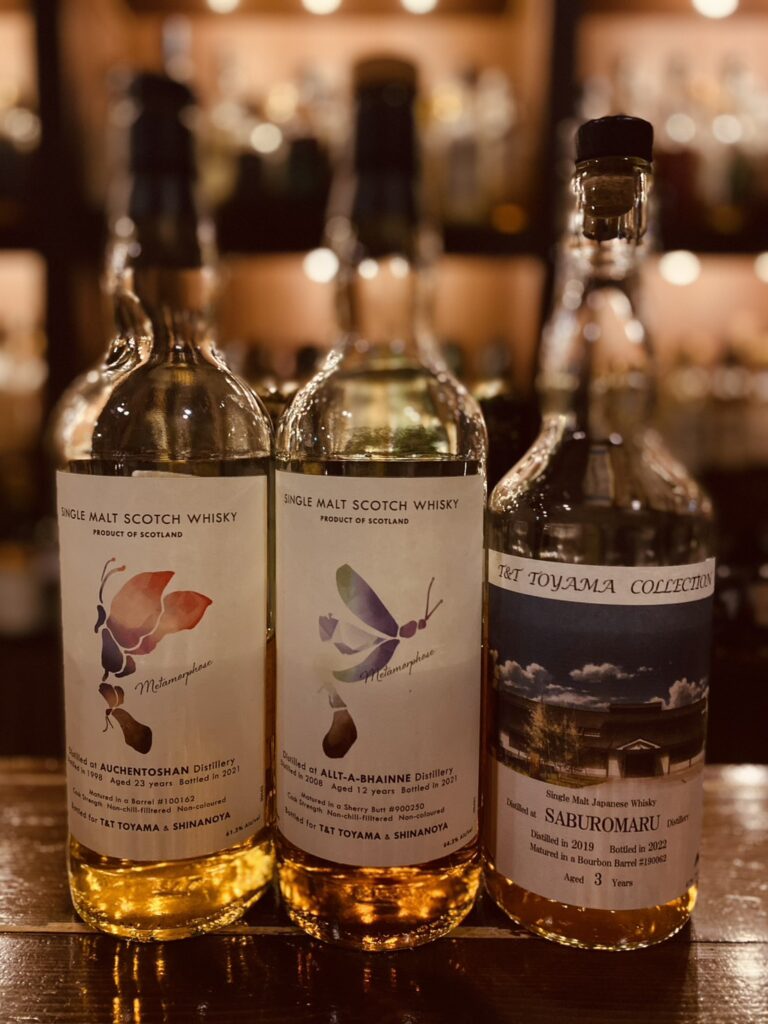
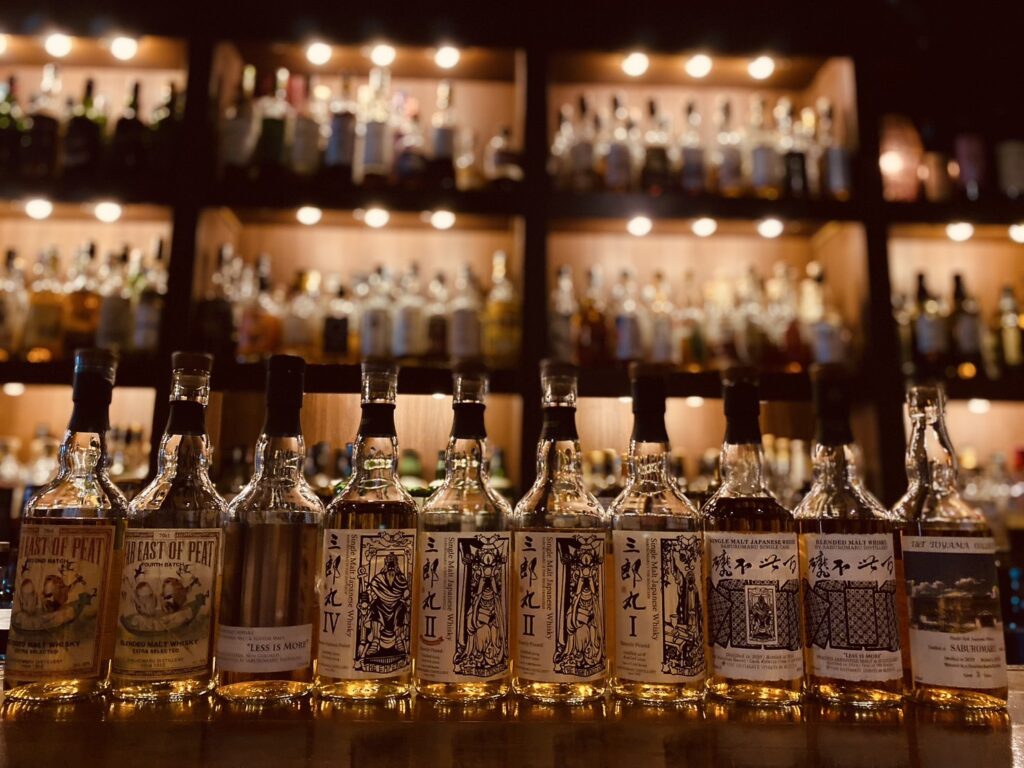
(I hadn’t been paying attention, but it turns out we have several T&T TOYAMA bottles here. The colours on those labels are lovely ❣️ A fruity Auchentoshan, a creamy sherry-cask Allt-á-Bhainne, and a properly peated Saburomaru 3 year old.)
Not Saburomaru coming first. A shared goal: that in a hundred years, Japan is the finest whisky-producing country in the world.
What he says while working toward that isn’t a leader addressing his people. It’s encouragement to others living the same era and facing the same difficulty — a prayer that everyone comes through together. That’s how it felt to me.
I think the origin of all this sowing lies in a 1960 Saburomaru spirit he once encountered.
Tasting whisky left behind by a great-grandfather he never met, he says he felt something connect in a single line — over half a century, from that man’s spirit to the present he is living in.
“For this to disappear here, without anyone knowing it existed — that’s too much of a waste.”
That reaches past business strategy or expanding a company. What comes through is something urgent: wanting to hold his great-grandfather’s proof of life in this world.
An inheritance about to vanish unknown, carried out into the world once more.
That sense of duty may be what actually moves him.
A drop laid down now. ZEMON, invented. Local trust gathered house by house.
All of it becomes a baton crossing time, and will give courage to someone fifty or a hundred years from now.
The way his great-grandfather’s spirit once moved him, the vintages Takahiko Inagaki leaves behind as the fifth generation will surely go on lighting something in someone living on this ground — a light that doesn’t go out.
Saburomaru Distillery.
Under the roof of a building with a century behind it, an inventor who laughs and says he had nothing to lose is laying down something that could change the world.
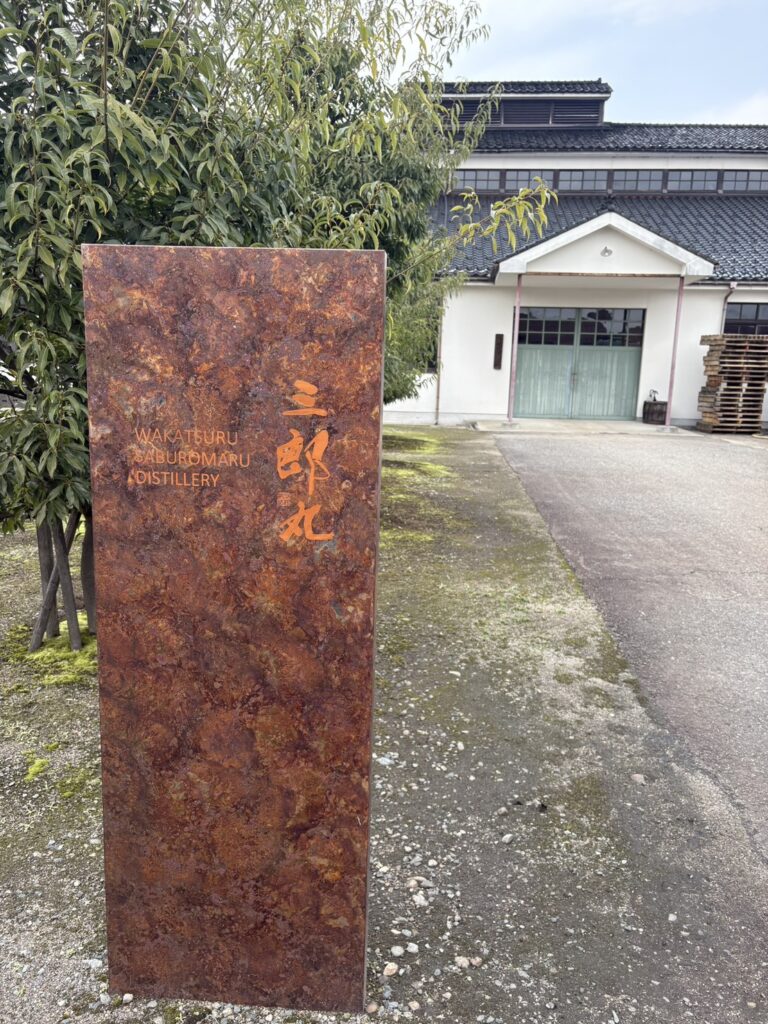
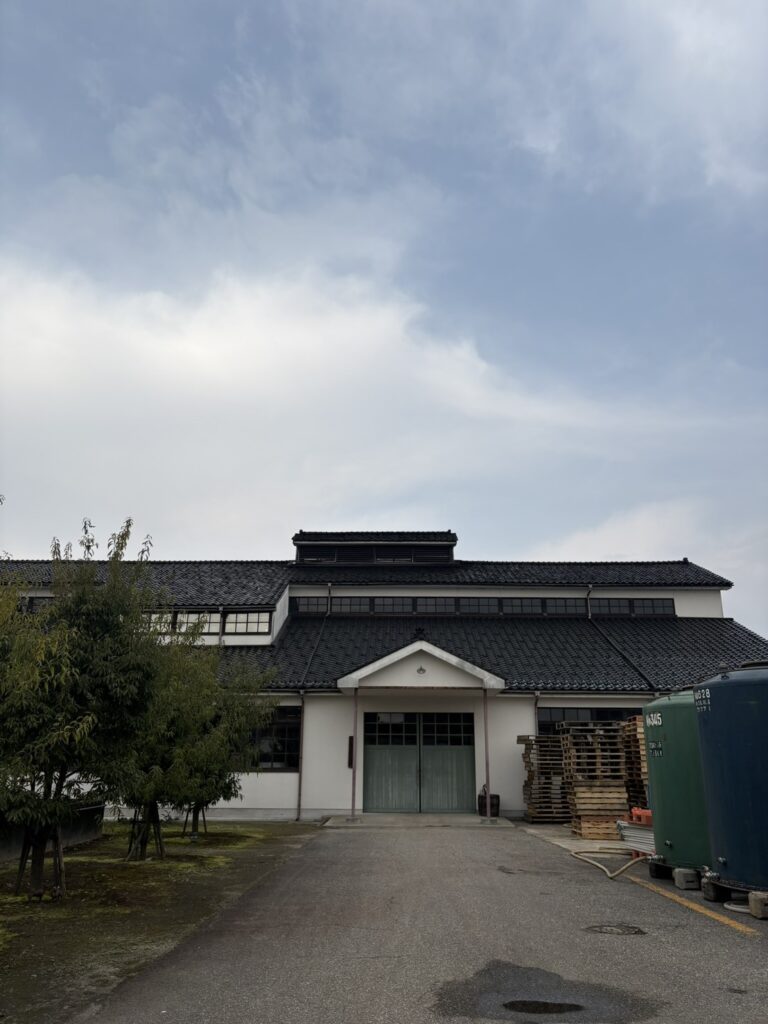
A 1960 spirit connecting a great-grandfather’s soul to ZEMON. Come and drink a future vintage at our counter in Hiroshima
I took so much from that visit that Saburomaru has become something like a sacred site to me.
Bottles keep arriving, past releases included.
Some we have plenty of. Others are a single bottle that came to us by luck.
The rest of the story is at our counter 🥃
【A note from Mika】 This article is built on my own visit to the distillery, but parts of it are my own reading and interpretation. Please take it as one whisky lover thinking out loud.
Whisky and rum taste better when you know the hearts behind them.
Every encounter is meant to be. Welcome to the world of Rum & Whisky.
Whisky and rum taste better when you know the hearts behind them.
[About the author]
Mika Tanimoto
CEO, Little.m Inc. / Owner-bartender
Since 2006, I have run Bar Little Happiness, a whisky and rum bar in Nagarekawa, Hiroshima. I visit distilleries in Japan and around the world and write about the people who make the spirits. Recipient of the Hiroshima City Excellent Skilled Worker Award.
“Whisky and rum taste even better when you know the hearts of the people who make them.”
[Visit the bar] 📍 Bar Little Happiness
Rolling Nagarekawa 1F, 5-14 Nagarekawa-cho, Naka-ku, Hiroshima
Mon–Sat 7:00 pm – 12:30 am / Sun 7:00 pm – 12:00 am (closed when I travel to visit distilleries)
No cover charge, no reservation needed