
Saburomaru Distillery, Part 3: Re:COOPERAGE, a Young Cooper, and the Reeds of Toyama
2026.2.06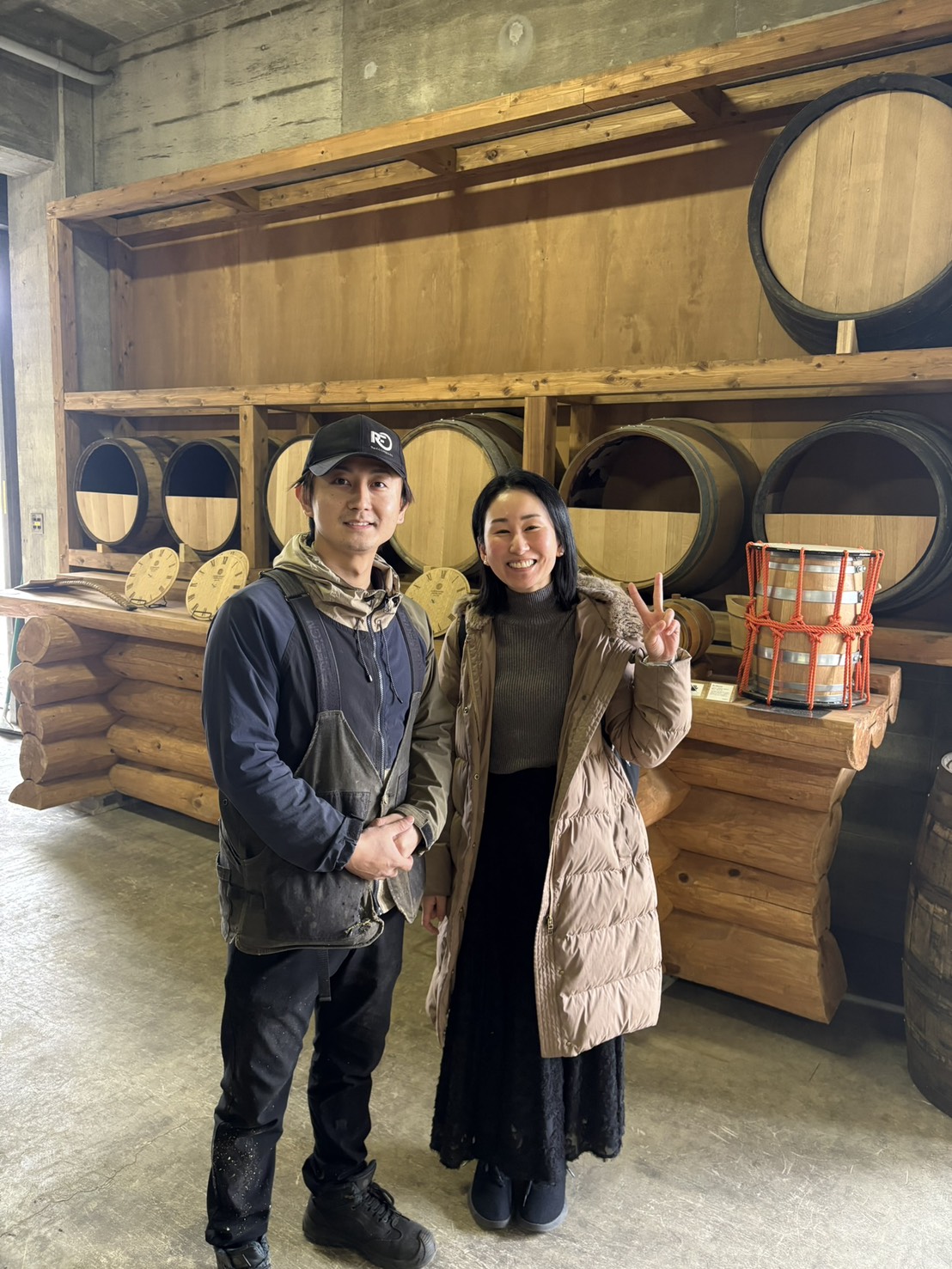
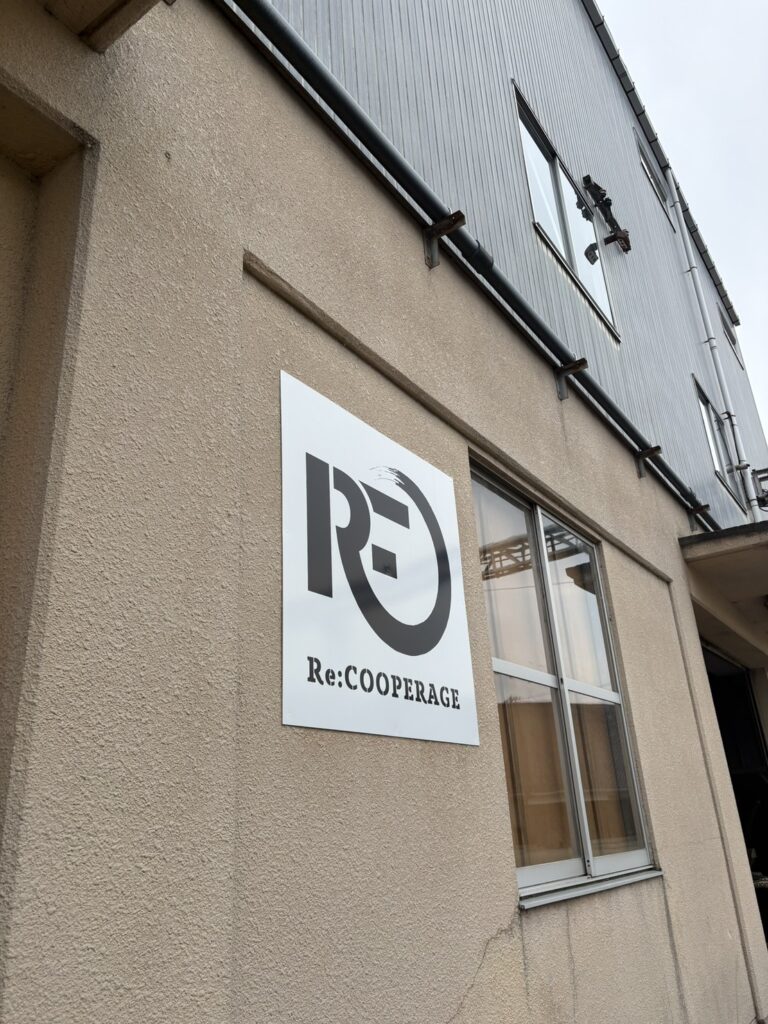
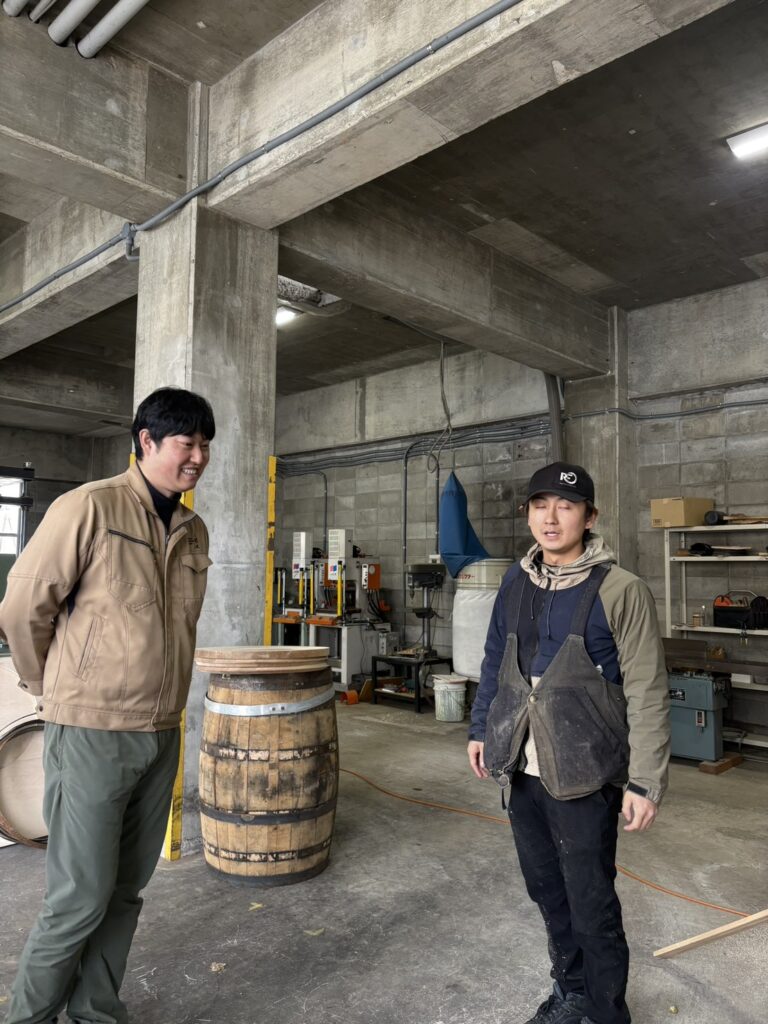
Inside Saburomaru Distillery there is a cooperage called Re:COOPERAGE, built around restoring casks rather than only making them.
Inagaki set it up with one aim held high: to build infrastructure for Japan’s distilleries. It looks likely to hold up a good deal of Japanese whisky.
Saburomaru’s cooper: a craft handed from Kagoshima to Toyama, at a cooperage that supports Japan’s distilleries
One man repairs and remakes 70 casks a month here, sometimes as many as 120. (I’ve forgotten his name, and I’m sorry for it.)
He’s still in his twenties, and already ten years into a career spent entirely on casks.
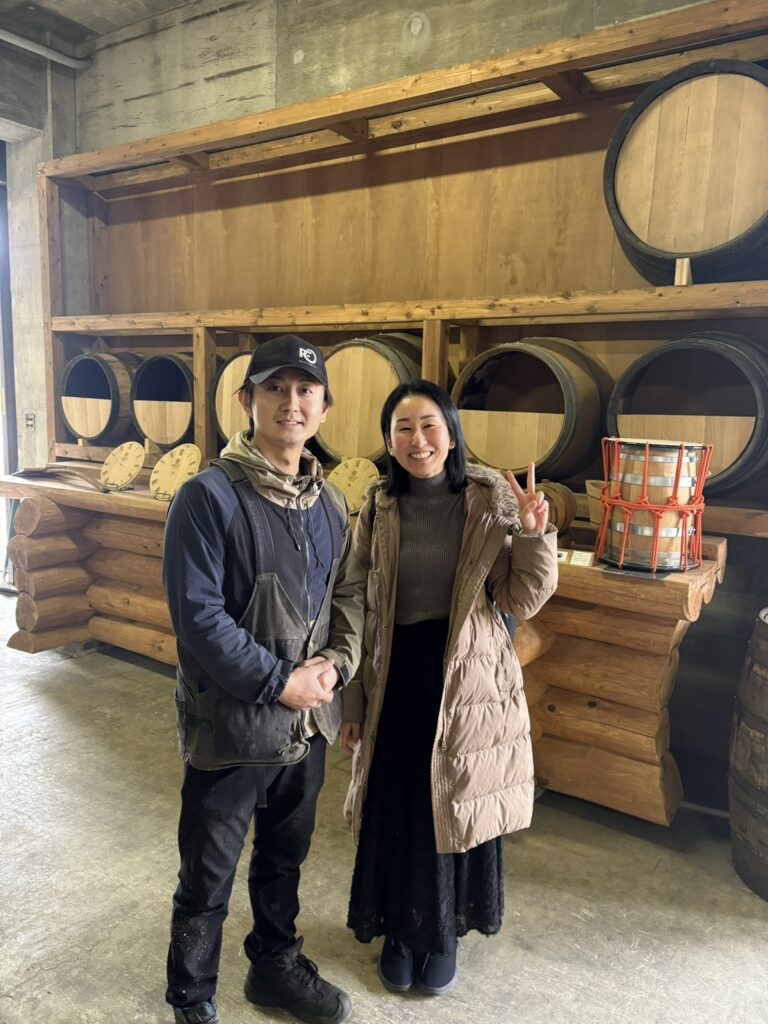
He started at a shochu producer in Kagoshima.
The man who trained him there was a legendary craftsman, among the finest in the trade.
That master took to Inagaki, and when he went independent himself, he offered: let me place this young talent with Saburomaru. That is how the cooper’s work in Toyama began.
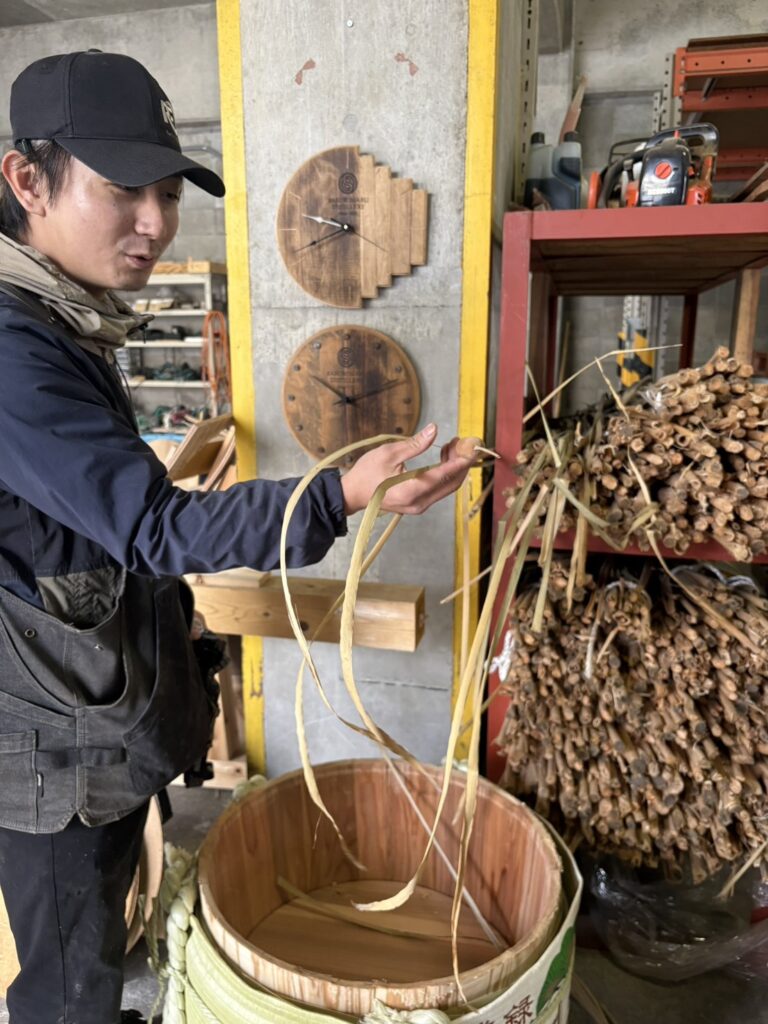
Wild reeds from Toyama protect the whisky: the gasket that stops leaks, one man’s persistence, and what the land gives
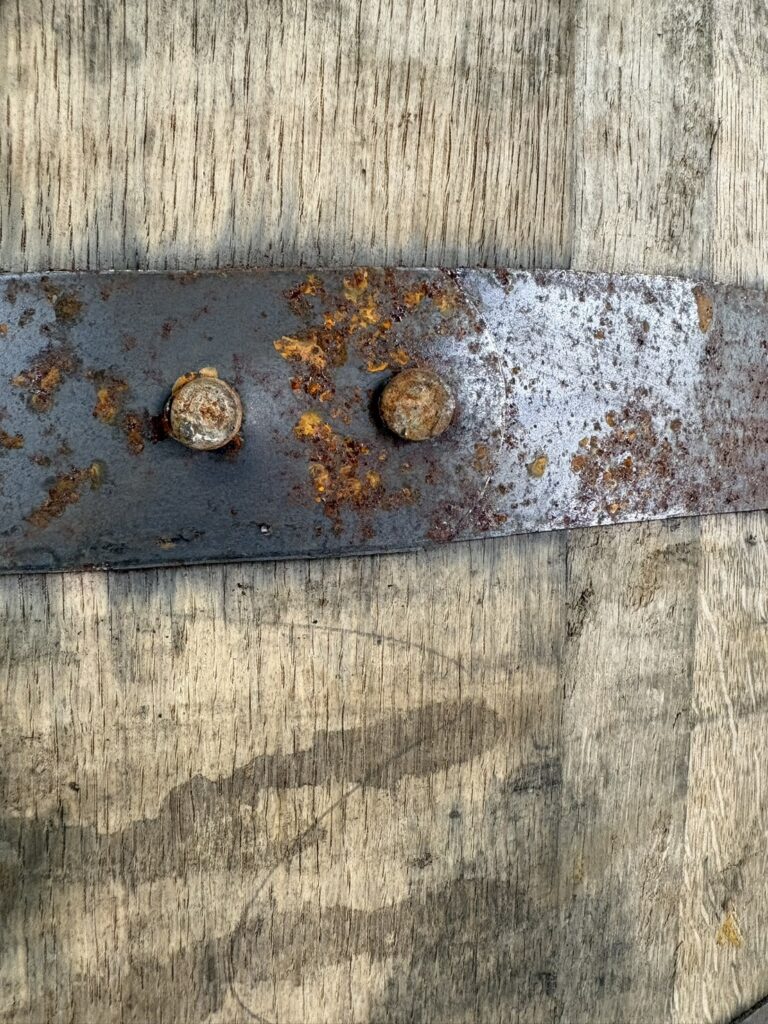
A whisky cask uses no nails and no glue.
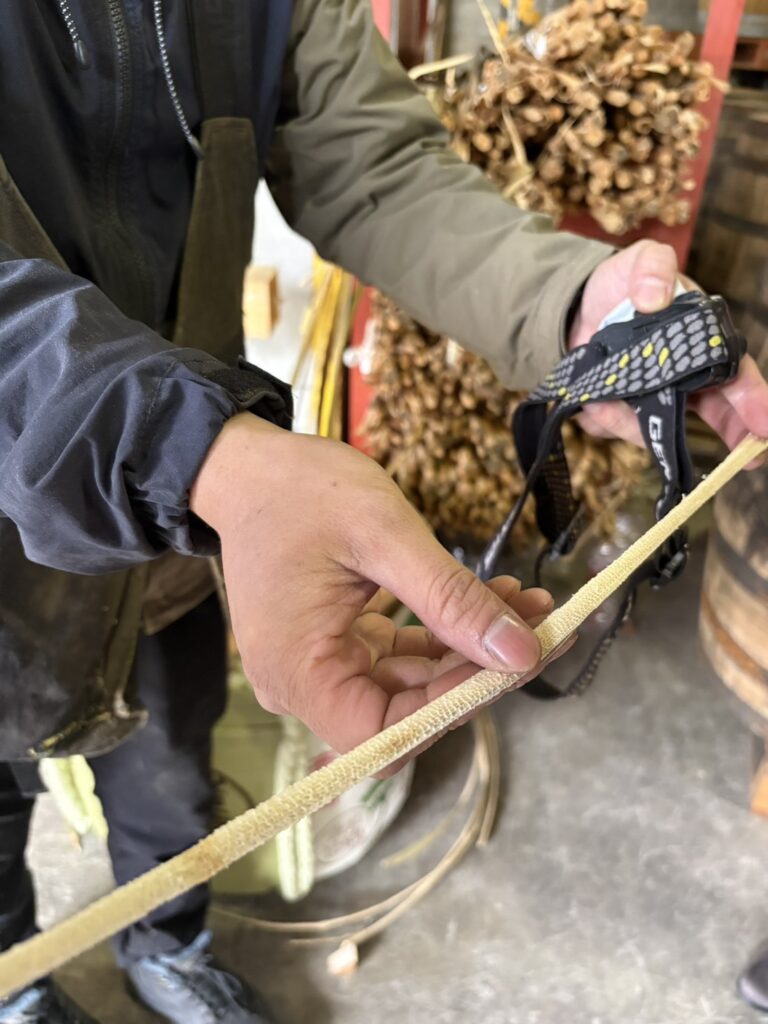
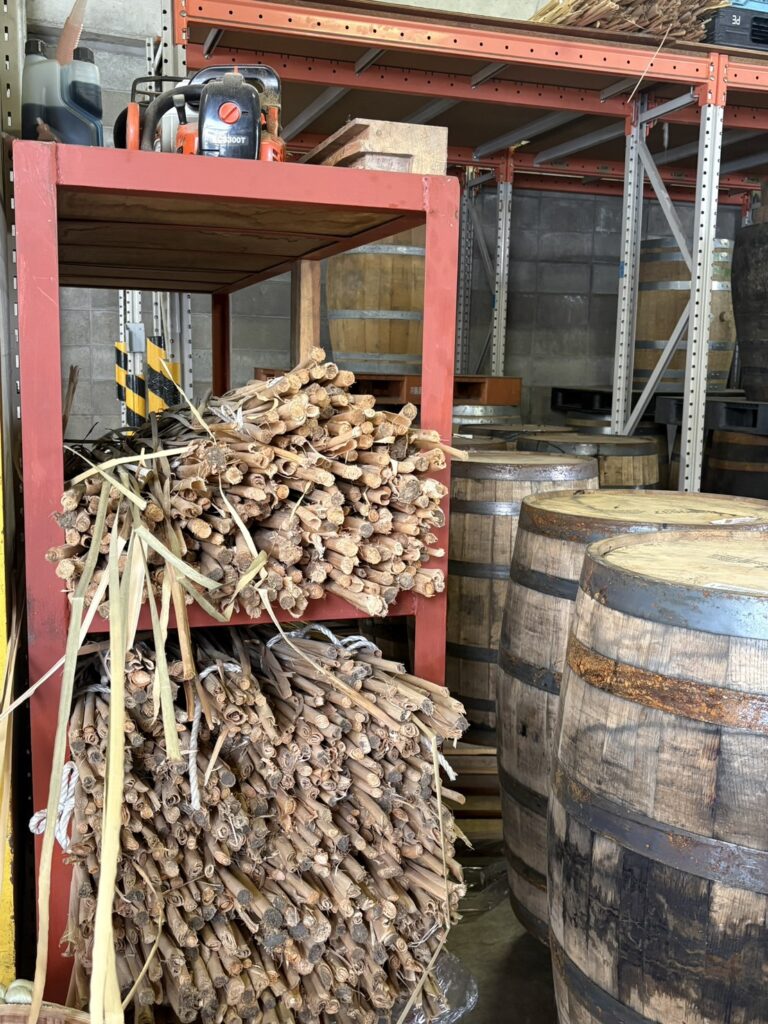
So into the joints between the staves goes gama — a reed that swells as it takes on moisture — packed in as a gasket to stop the spirit leaking out.
Wanting to make things from what Toyama itself offers, he spent a full year searching the prefecture for the right gama.
He found a place where it grew so thick that the landowner said: it’s a nuisance weed, please cut it. So he waded in himself, cut it, washed it, dried it.
Through that patient handwork, Saburomaru’s casks came to be protected by what Toyama gives.
“A cask isn’t a container, it’s an ingredient.” A leak rate approaching 10%, and one man’s answer to it
Inagaki said something about making whisky that stayed with me.
“A cask isn’t simply a container. It’s an ingredient.“
The size of the cask, the type of wood, what was in it before — most of a whisky’s flavour and aroma is decided by these. Protecting the quality of a cask means protecting the quality of the whisky itself.
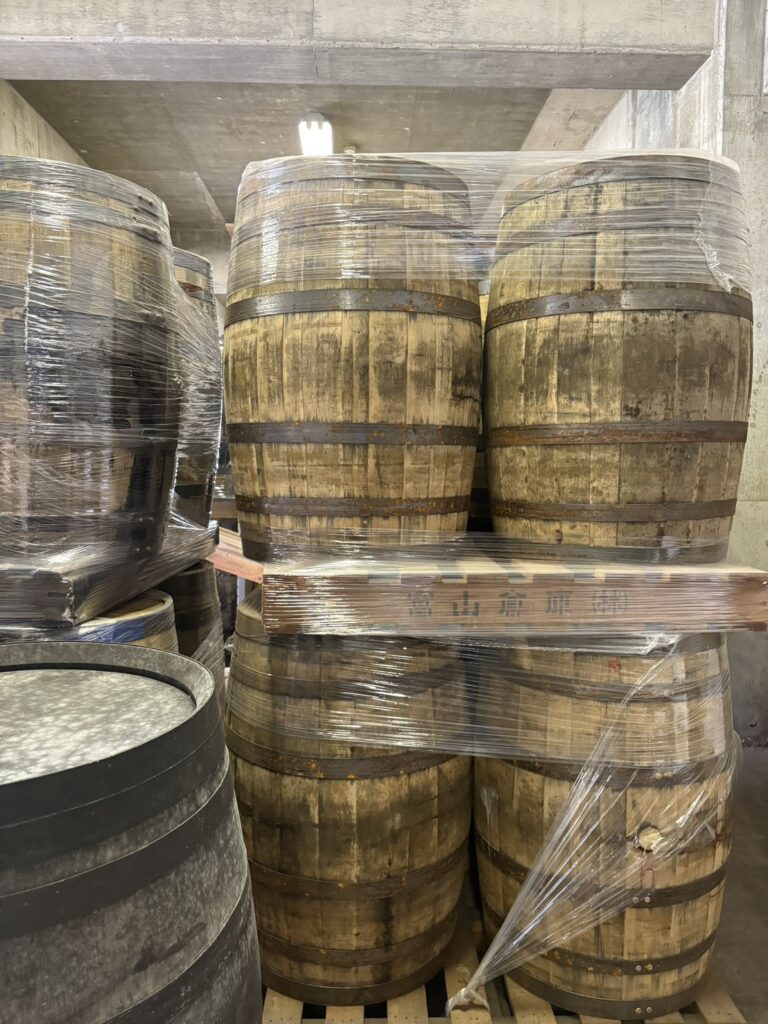
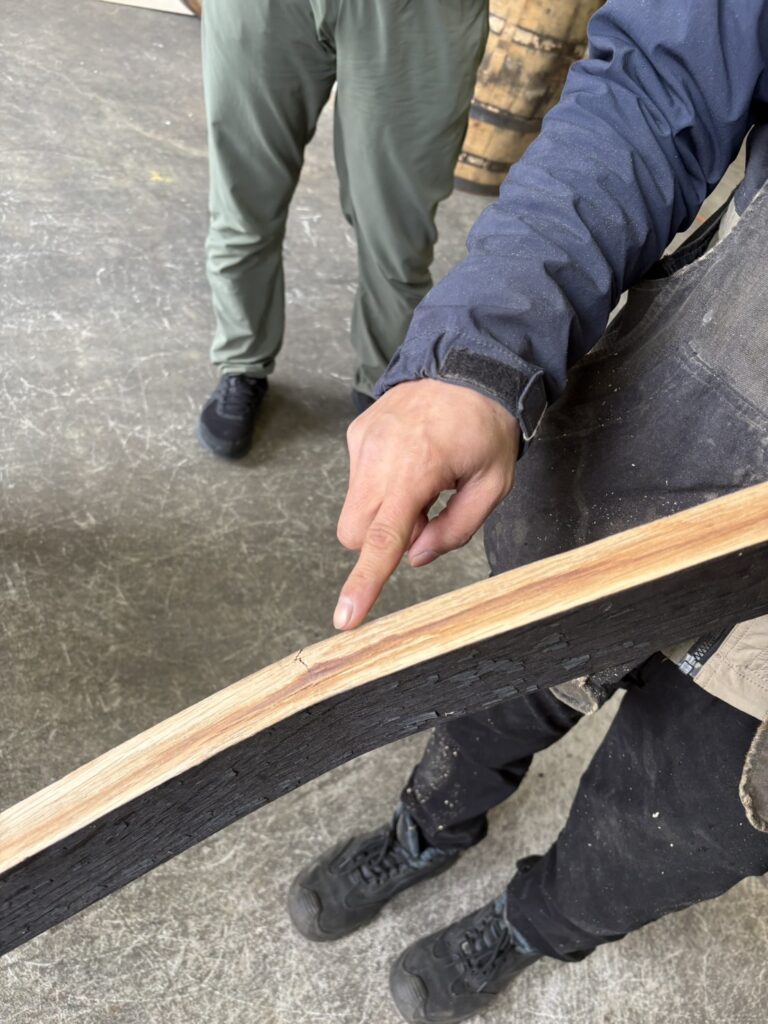
But behind the surge in global demand, cask leakage has gone from around 1% to close to 10%.
Good casks have become hard to secure, and makers are being forced to use poor ones. For anyone making whisky, that is a frightening situation.
What Inagaki holds in response reaches far past protecting his own spirit.
There are said to be fewer than 100 coopers in Japan today.
If fragile casks keep increasing, and there is neither the skill nor the place to repair them in this country, the quality of Japanese whisky as a whole gives way beneath itself.
To hold that off, he runs Re:COOPERAGE as an open cooperage — taking in cask repairs from other companies, and training young craftsmen.
Building infrastructure for Japan’s distilleries. That’s how he puts it.
Said plainly, it might sound like a leader’s grand declaration.
Behind it is something that hurts to hold: if we don’t do this, the culture stops here. That urgency, and that sense of responsibility.
Chasing his own company’s profit alone would surely be the easier way to run a business.
He chose the harder road anyway, and shouldered the weight of the whole industry’s future. Watching his back as he did it shook something in me.
Keeping Saburomaru alive, and building out the ecosystem of Japanese whisky.
For him these two are no longer separable — one aim. That’s how it looked to me.
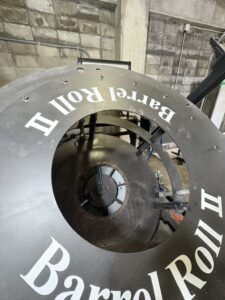
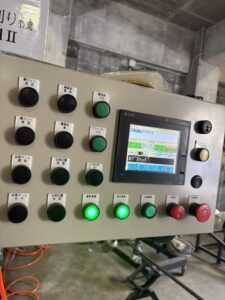
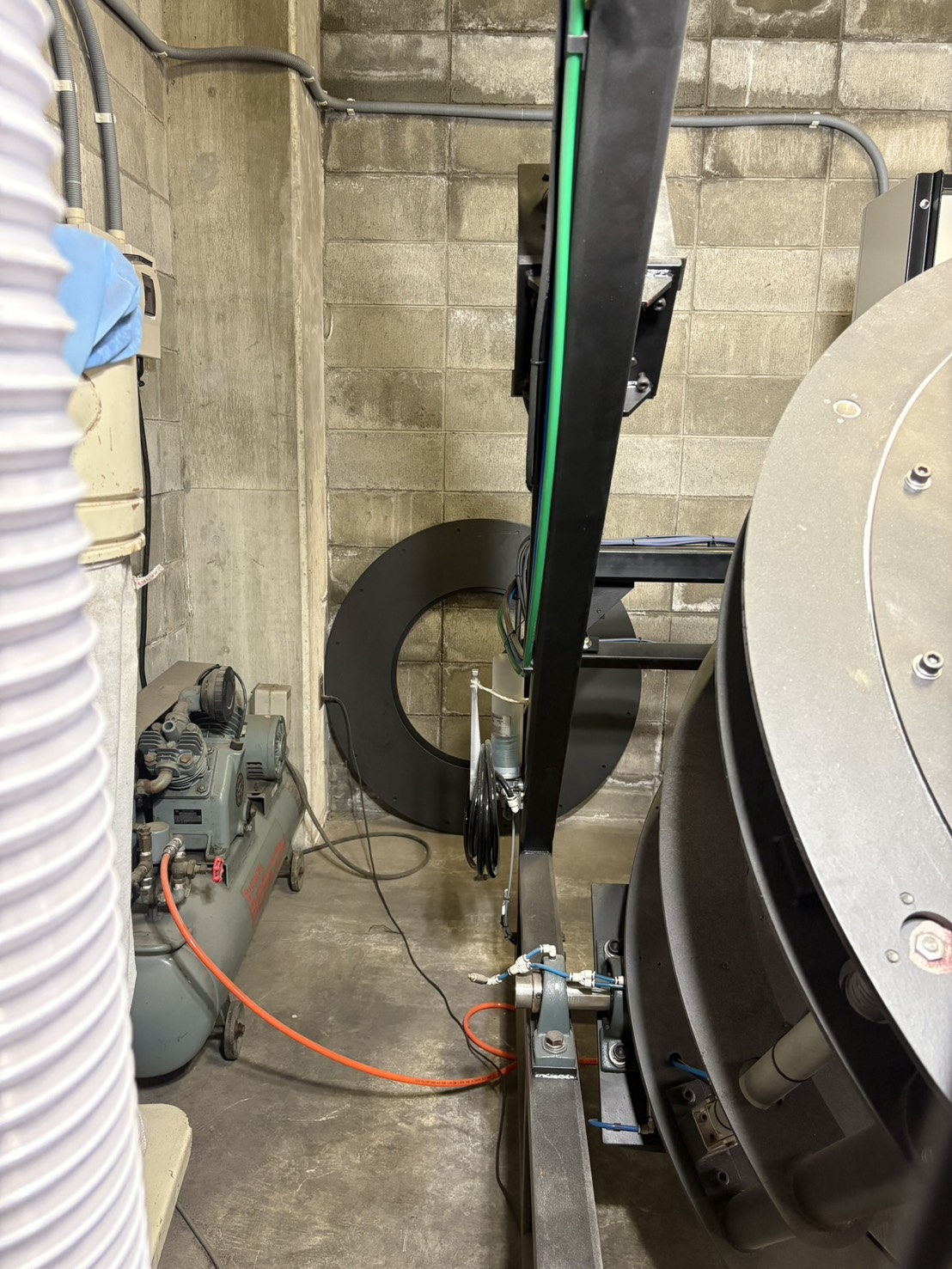
Barrel Roll 2: an invention built to protect a craftsman’s body, and the gentlest rational solution in the world
What holds that aim up is his talent as an inventor.
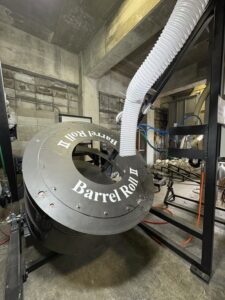
Shaving the inside of a cask used to be handwork, done in air thick with dust.
Two casks a day was the limit. Labour that wears the body down.
So he designed and built an automatic cask-shaving machine: Barrel Roll 2.
The idea came from the motion of a washing machine, and from the machines that stir fried rice automatically in Chinese restaurants.
After it went in, output rose to 16 casks a day.
Standing in front of a machine I’d never seen anything like, I was asked whether I had any questions. I said: I’ve never seen this before, and I have no words for it.
He answered with something like pride.
“I should think not. I made it.”
A man who simply invents what doesn’t exist yet. I was floored.
And at the same time, I felt I saw what he is made of.
A view wide enough to take in the infrastructure of a whole country, and a feel close enough to understand the ache in a craftsman’s hands.
He holds both, and that’s why an invention like this came out of him. It settled into place for me.
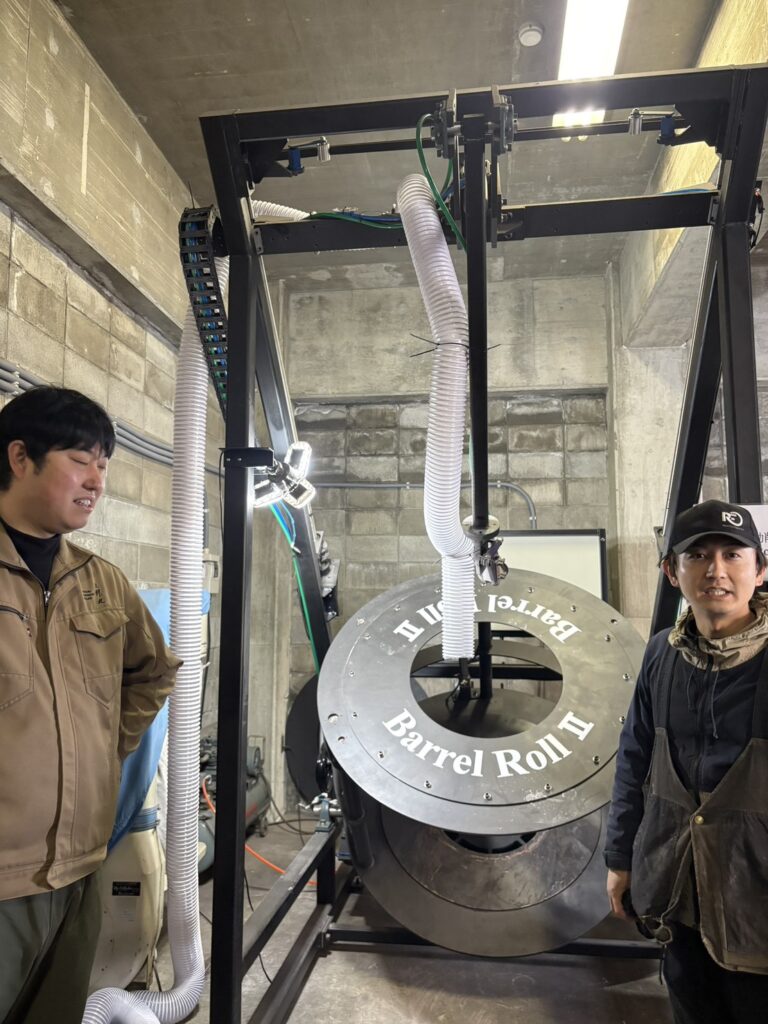
Thoroughly rational all the way through, and running down the middle of it, something startlingly warm.
Behind an invention chasing efficiency, the deepest respect for the craftsman, kept out of sight.
His invention looked to me like the most efficient and the kindest solution — one that lets the craftsman’s ability come out in full.
Repairs that need a craftsman’s judgement, the cooper does. Labour that could break a body, the machine takes.
That pairing is the foundation holding up the future of Japanese whisky — and there is nothing like it anywhere else.
Cask staves become firewood, and cook rice over a flame: the hundred-year view, and a circle that closes
Staves that have finished their work and can no longer hold maturing spirit go to Kamado Sumisaburo, the restaurant on site, where they’re burned as firewood to cook rice over an open hearth.
(They mentioned you can barbecue there too — so perhaps you can barbecue over cask wood? I forgot to ask.)
Wood that raised whisky for years, becoming at the end the energy that fills people’s stomachs and their hearts.
That circle seemed to stand for the hundred-year future he is trying to protect, and it moved me deeply.
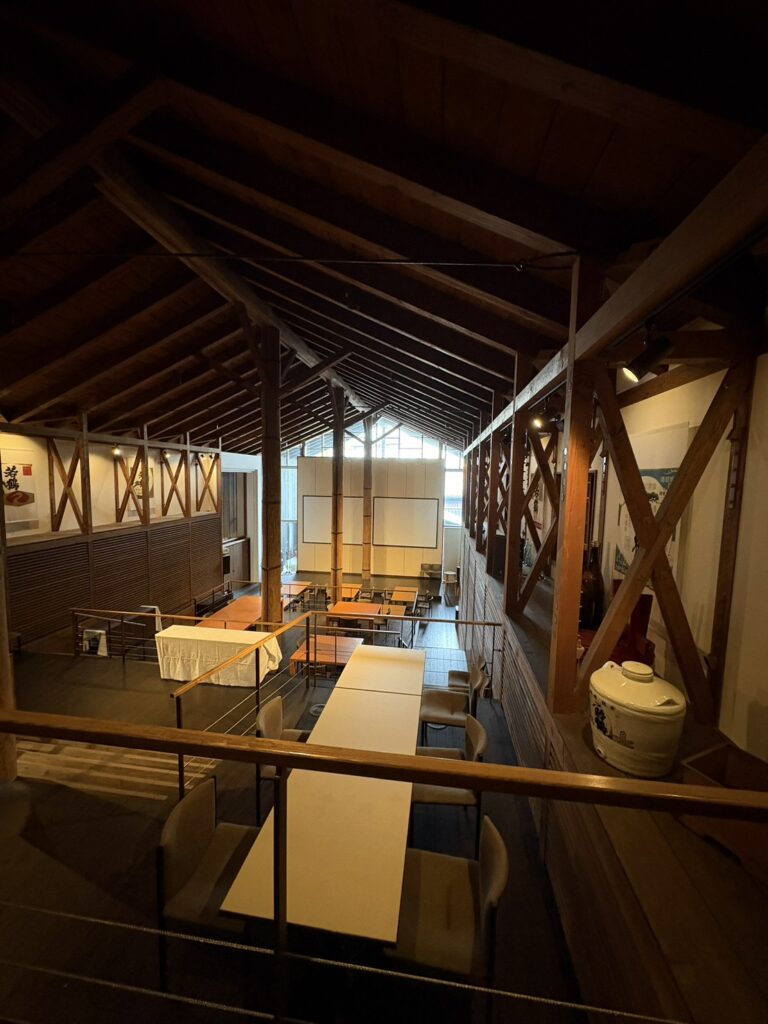
(↑ A room beside the shop. They’ve worked with the old building rather than over it, and inside, the ceiling and the timber frame are left exposed — a place where past time seems to have stayed put. It was wonderful.
Light comes in through that frame from outside, as though the past and the future were talking to each other.)
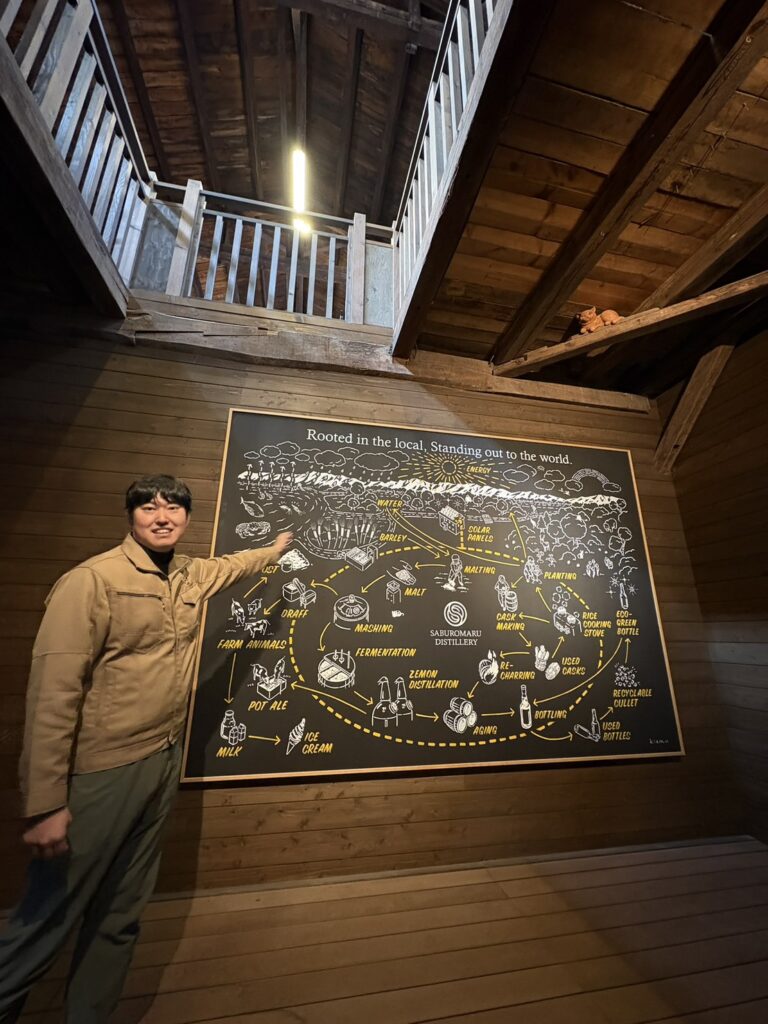
Inagaki doesn’t say much about himself.
He keeps his eyes on the future and on the industry as a whole, and moves steadily.
But each invention, and what lay behind each invention, speaks for what he intends more clearly than any words.
That’s how it felt to me.
Next time, Part 4 goes inside the distillery itself.
A floor built like a stage that takes hold of you the moment you see it, and the secret of a hidden door made for grown-ups who still like to play.
Whisky and rum taste better when you know the hearts behind them.
Every encounter is meant to be. Welcome to the world of Rum & Whisky.
【A note from Mika】 This article is built on my own visit to the distillery, but parts of it are my own reading and interpretation. Please take it as one whisky lover thinking out loud.
Whisky and rum taste better when you know the hearts behind them.
[About the author]
Mika Tanimoto
CEO, Little.m Inc. / Owner-bartender
Since 2006, I have run Bar Little Happiness, a whisky and rum bar in Nagarekawa, Hiroshima. I visit distilleries in Japan and around the world and write about the people who make the spirits. Recipient of the Hiroshima City Excellent Skilled Worker Award.
“Whisky and rum taste even better when you know the hearts of the people who make them.”
[Visit the bar] 📍 Bar Little Happiness
Rolling Nagarekawa 1F, 5-14 Nagarekawa-cho, Naka-ku, Hiroshima
Mon–Sat 7:00 pm – 12:30 am / Sun 7:00 pm – 12:00 am (closed when I travel to visit distilleries)
No cover charge, no reservation needed