
Saburomaru Distillery, Part 2: How ZEMON Was Born
2026.2.05
↓ Start with Part 1
Rebuilding Saburomaru, Inagaki ran into a wall large enough to shake the foundations of the business.
Getting hold of a pot still — the heart of making whisky.
“If we can’t get one, we’ll make it ourselves.” How 400 years of Takaoka bronze work became the world’s first cast pot still
The global whisky boom had every major stillmaker at capacity.
Order from abroad and you’d wait two or three years for delivery.
“Wait three years, then mature it — when does it become a product?”
The answer he arrived at, under that pressure, was outside anything conventional.
“Then we’ll make it ourselves, with what’s here.”
What he was looking at was Takaoka bronze — 400 years of craft in Takaoka, Toyama, and something he’d had close at hand since he was at school.
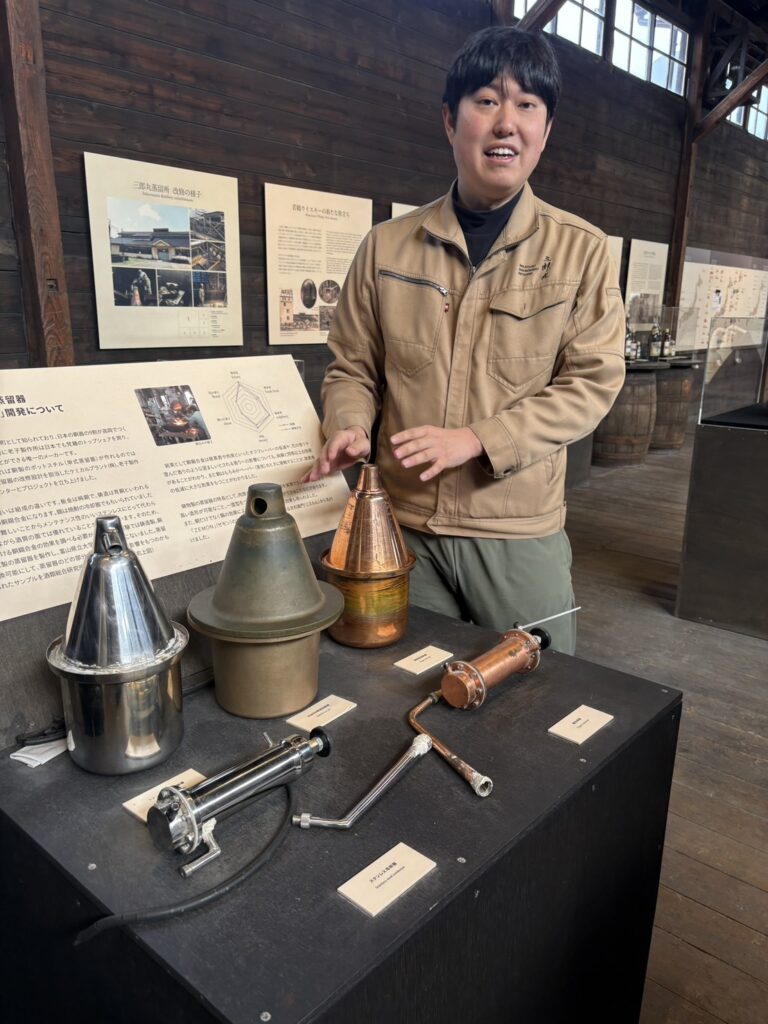
An arts graduate turned inventor, drawing his own CAD plans. The site foreman who woke the engineer in him
What astonishes is that Inagaki worked the CAD software himself, and drew the plans to the millimetre.
There’s a person behind that skill.
During the distillery renovation, the site foreman took to him, and taught him how to draw plans from scratch.
He found he enjoyed it, and went from drawing the distillery layout to drawing the still itself.
“I want to be an engineer, and the kind of manager who can actually move a business.”
That was the moment the inventor in him woke up.
Takaoka bronze meets whisky: why Saburomaru chose casting
Inagaki wasn’t working on instinct alone.
To prove that bronze — a copper alloy — performs as well as pure copper, or better, he ran experiments with a local public research institute.
Before ZEMON, there was a rougher experiment: replacing part of a stainless steel still with copper.
During the 2017 renovation, the budget wouldn’t stretch to an all-copper pot still, so they adapted a stainless steel still built for shochu.
But whisky needs contact with copper to improve, so he cut out the sections the vapour touches, beat copper sheet into parts himself, and fitted them.
That experiment gave him scientific certainty about the relationship between copper surface area and spirit quality — and that, I think, is what drove the development of ZEMON, cast from a copper-tin alloy.
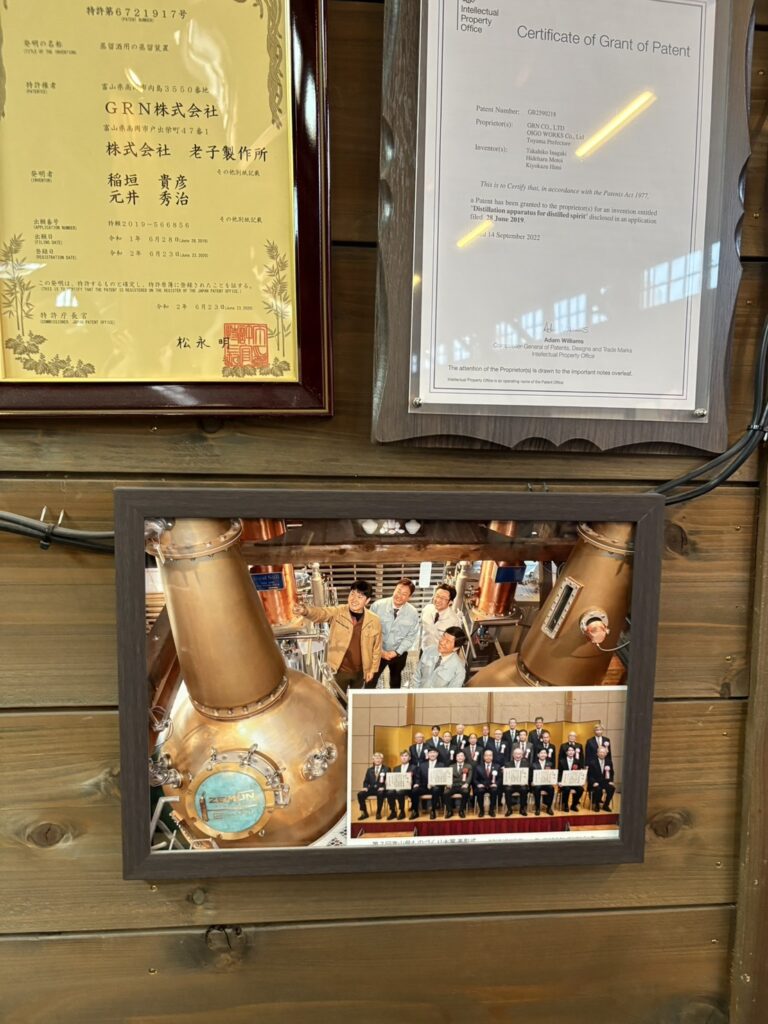
The work later earned him an award from Japan’s Society of Western Liquor Technology — a first for the industry.
Hiroshima’s Peace Bell and Saburomaru: temple bell casting builds a whisky future
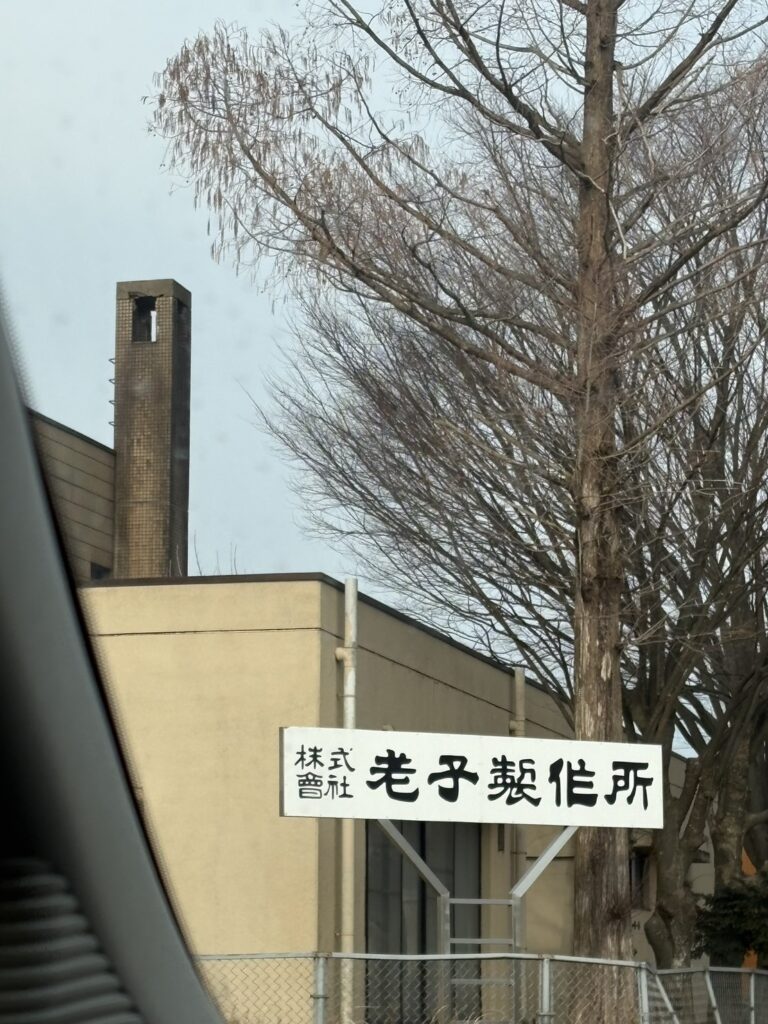
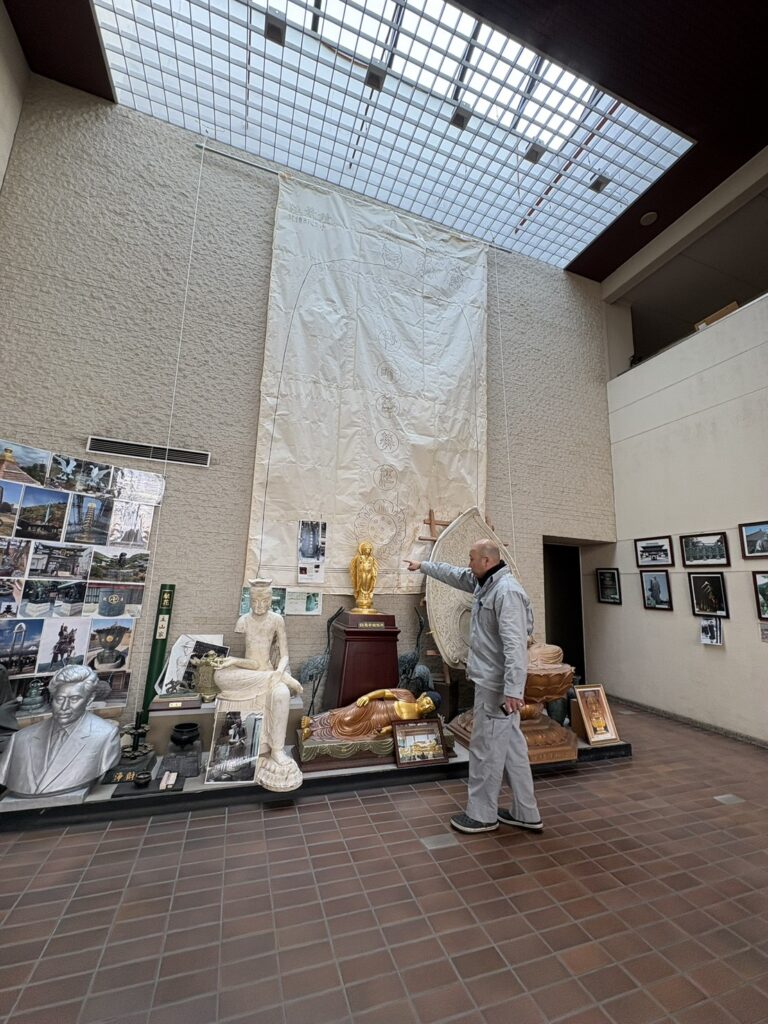
Oigo Works in Takaoka, Toyama, carries over 800 years of history, and is the only foundry in the world able to cast temple bells weighing more than 50 tonnes.
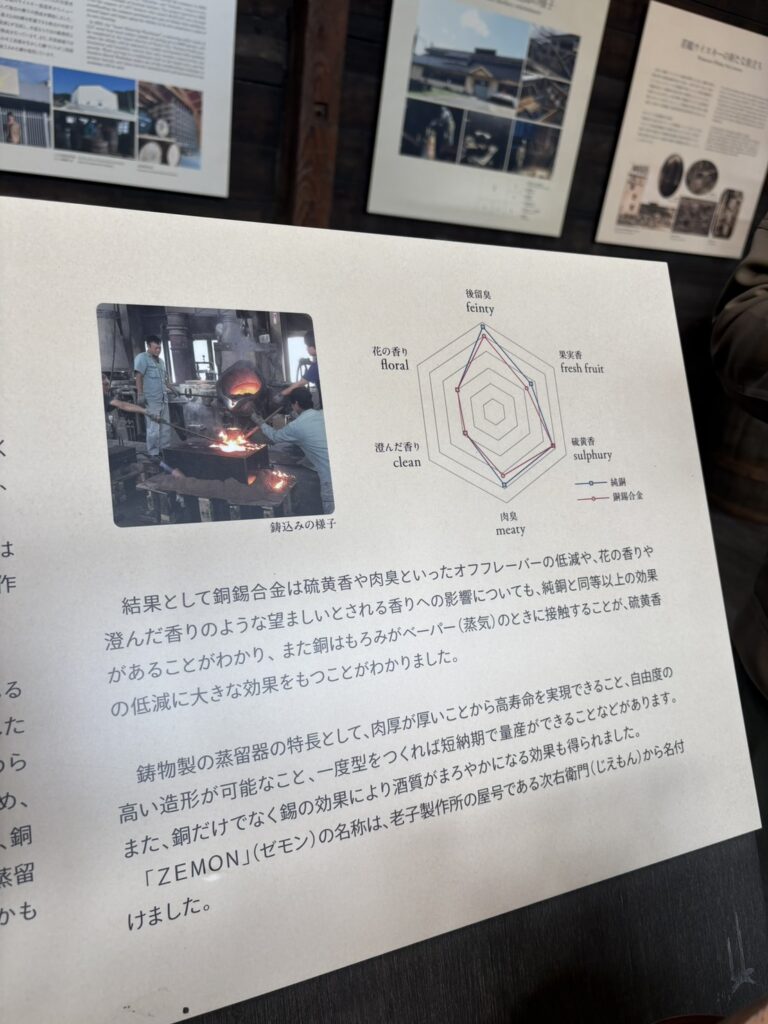
Their craft met his invention, and ZEMON was born — the world’s first cast pot still.
ZEMON has advantages that a beaten copper still doesn’t.
- Mellowness:
The tin in bronze makes the spirit markedly smoother.
- Durability, for life:
Beaten copper wears through and holes open up. Cast metal is 2.5 times thicker. Inagaki puts it this way: it’ll hold until I’m dead.
- Easier on the planet:
Bronze holds heat well, and they’ve cut both energy use and CO2 emissions by half. It’s also the first patent of its kind in the Japanese whisky industry.
Pride over efficiency. ZEMON sits between the pillars of an old wooden building as though it had been there a century
The development was not smooth.
A huge sand mould collapsed while being turned over. With no precedent to work from, the craftsmen were pushed to their limits.
But the foundry is ten minutes from the distillery by car, and that distance made the thing possible.
Inagaki went back again and again, sitting down knee to knee with the craftsmen: this gasket is for the vapour side, and so on.
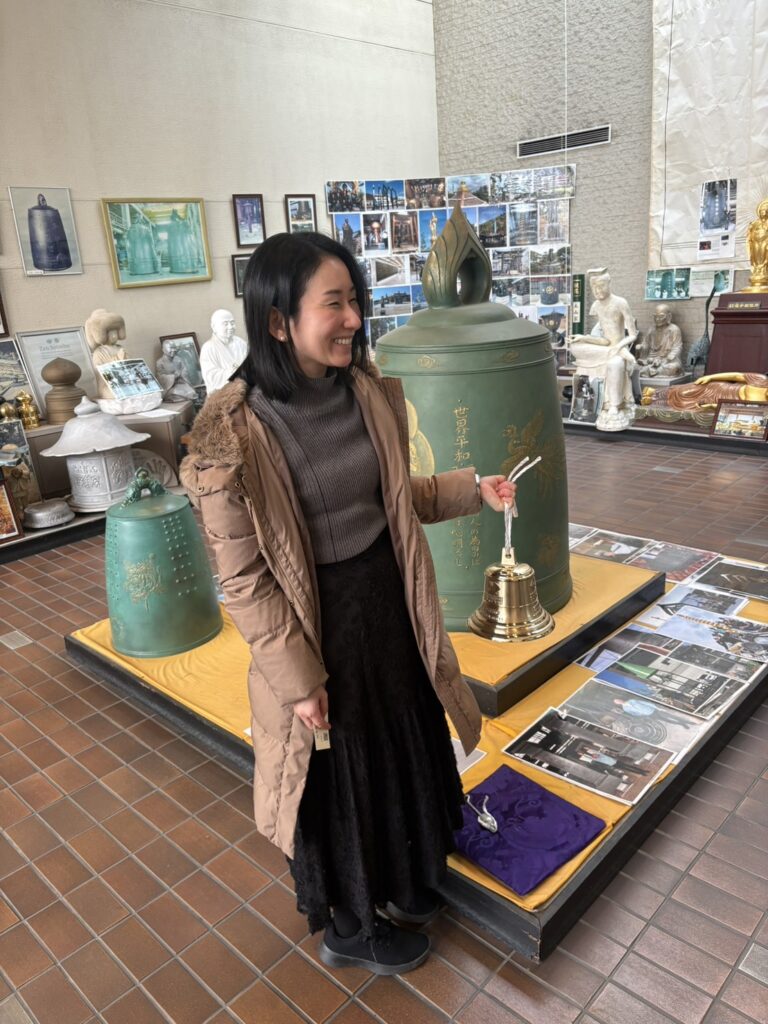
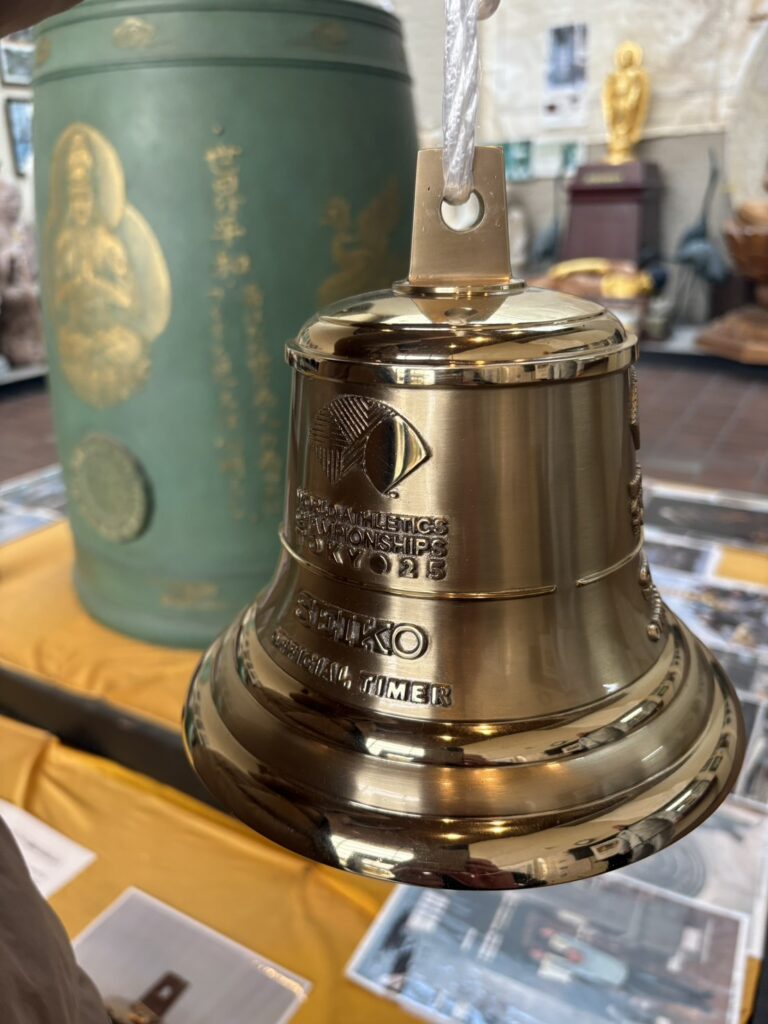
(They let me hold the bell Oigo Works made for the World Athletics Championships.)
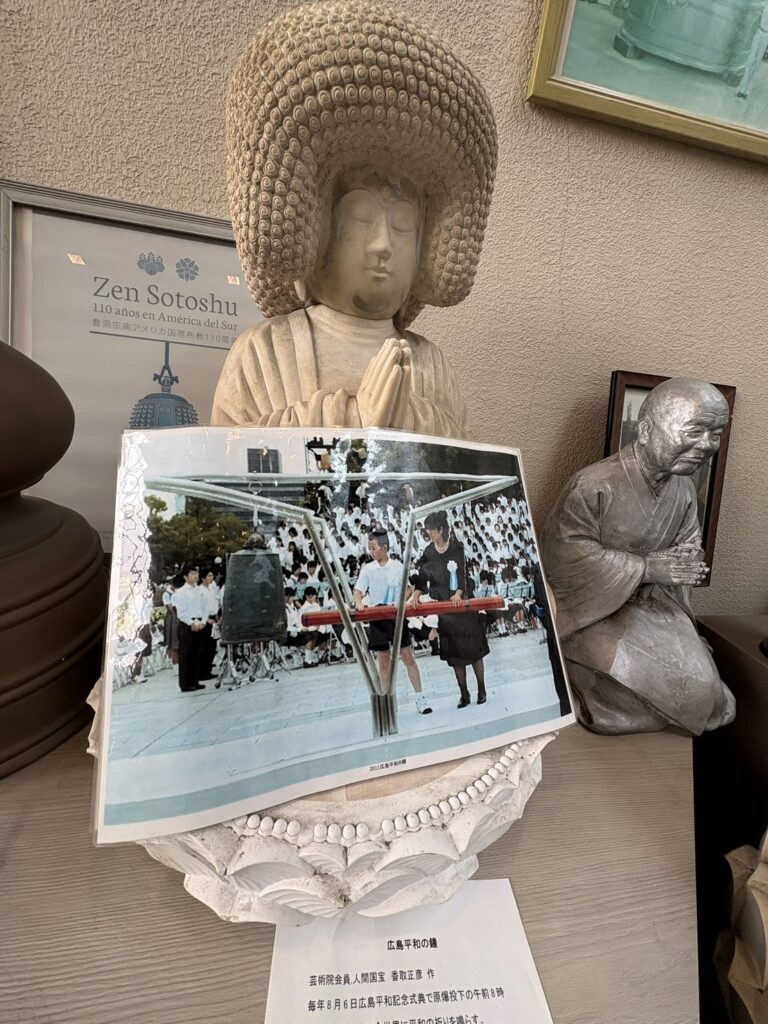
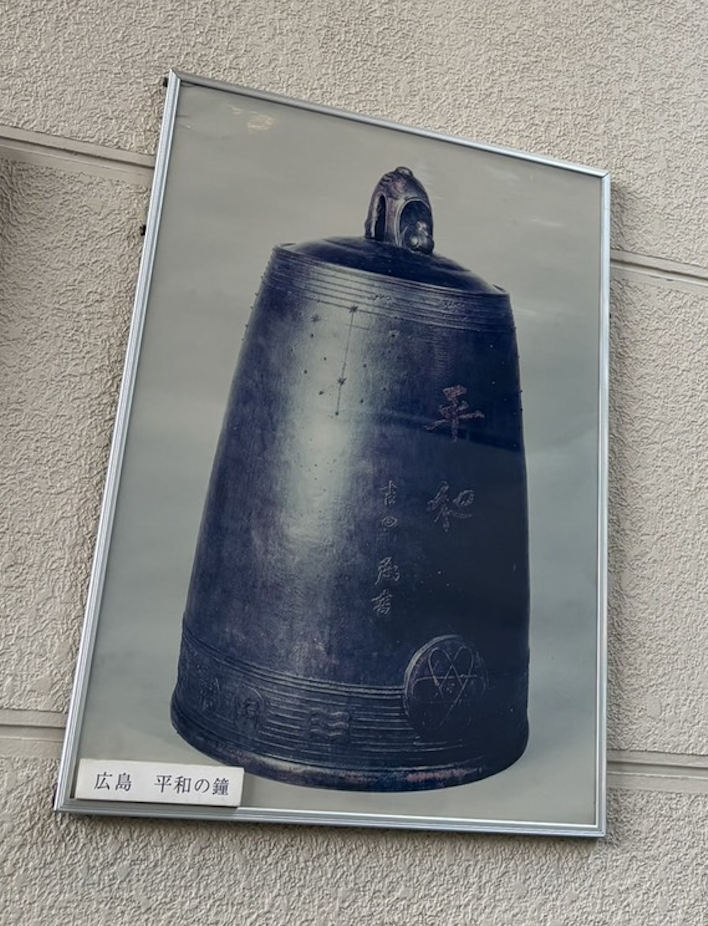
(And Hiroshima’s Peace Bell was cast here too.)
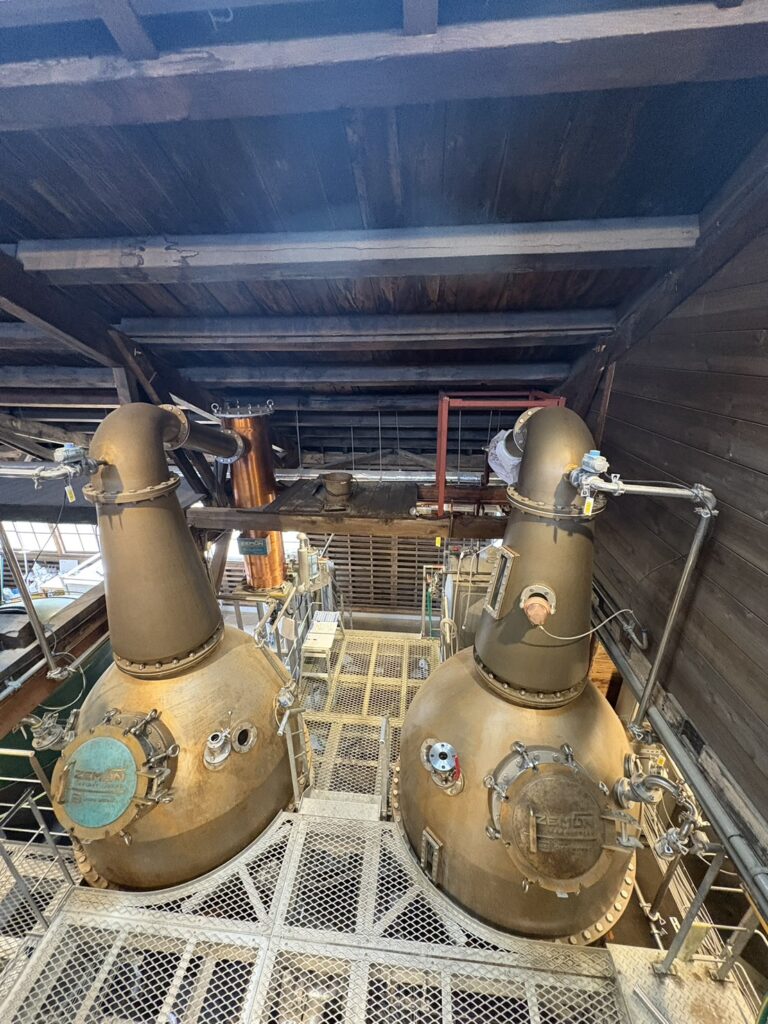
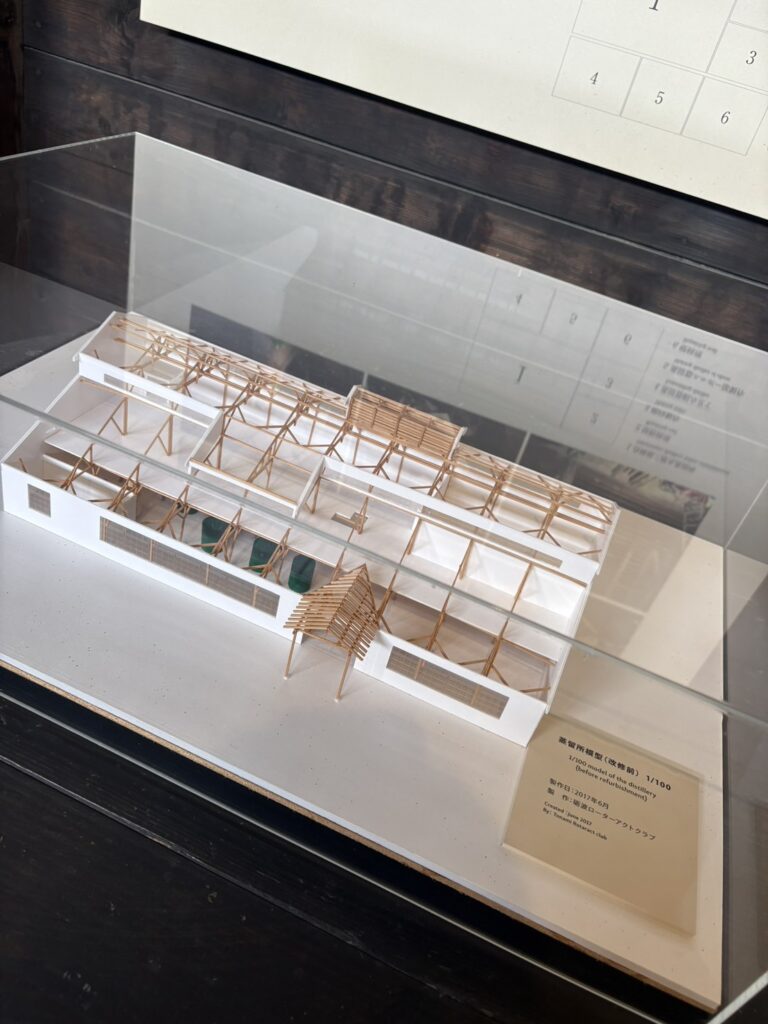
The ZEMON that came out of all this fitted into the gap between the pillars of that old wooden building to the millimetre, as though it had stood there for a century.
Honestly, tearing the crumbling building down and starting again would have cost less and taken less time.
He held to this place anyway. Something mattered more than efficiency: the memory and the pride his predecessors carried on this ground. As the fifth generation, he decided to protect it, and cut off his own retreat in doing so. That’s what I felt.
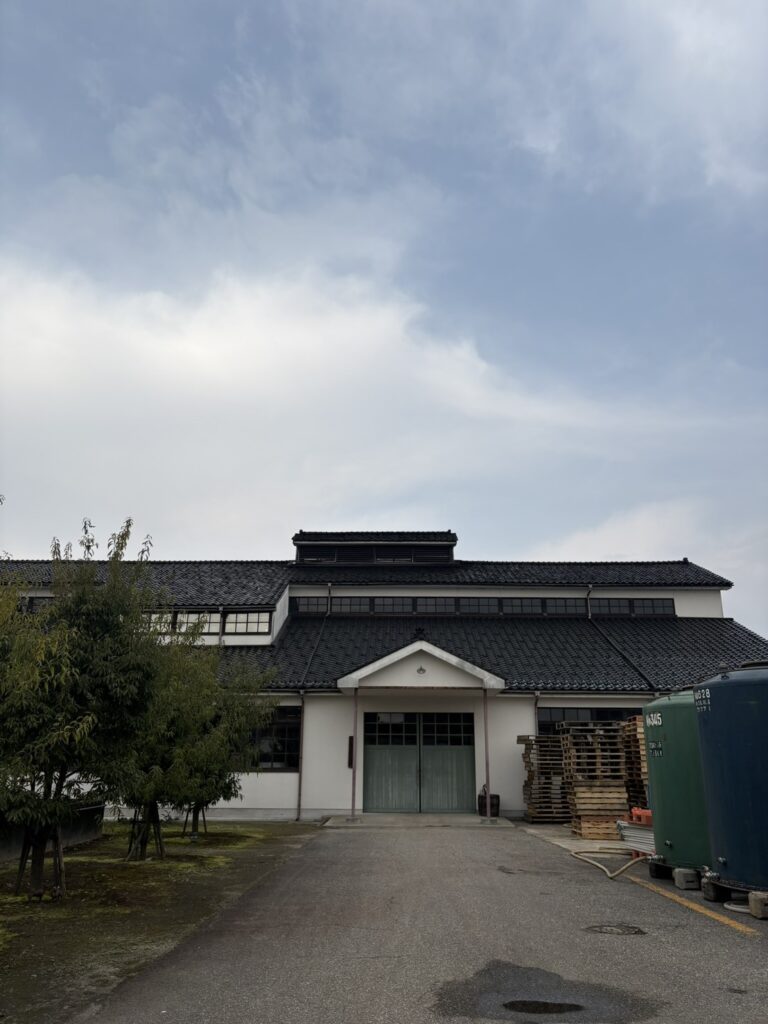
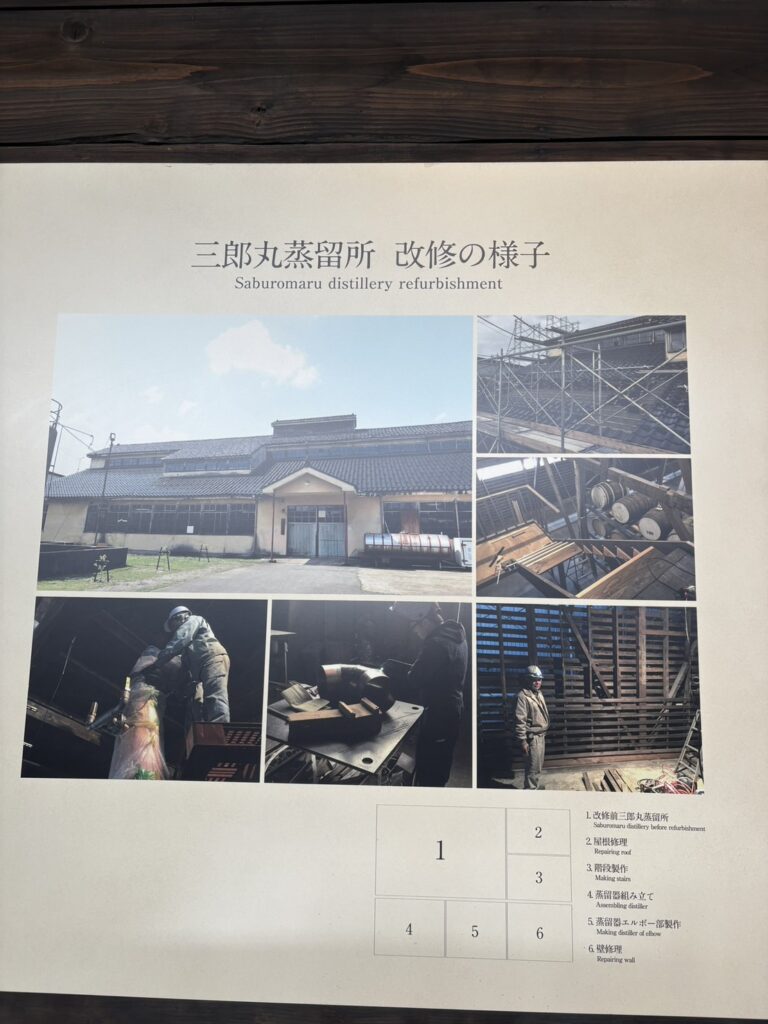
Something nobody had done before, achieved through local ties and invention.
Behind that guileless smile sits something formidable: from the place his family kept, he intends to make Toyama’s craft heard around the world.
Next time: the casks that raise the young spirit ZEMON distils.
A cooperage kept by craftsmen in their twenties, and what making things with a hundred years in view actually looks like.
Whisky and rum taste better when you know the hearts behind them.
Every encounter is meant to be. Welcome to the world of Rum & Whisky.
【A note from Mika】 This article is built on my own visit to the distillery, but parts of it are my own reading and interpretation. Please take it as one whisky lover thinking out loud.
Whisky and rum taste better when you know the hearts behind them.
[About the author]
Mika Tanimoto
CEO, Little.m Inc. / Owner-bartender
Since 2006, I have run Bar Little Happiness, a whisky and rum bar in Nagarekawa, Hiroshima. I visit distilleries in Japan and around the world and write about the people who make the spirits. Recipient of the Hiroshima City Excellent Skilled Worker Award.
“Whisky and rum taste even better when you know the hearts of the people who make them.”
[Visit the bar] 📍 Bar Little Happiness
Rolling Nagarekawa 1F, 5-14 Nagarekawa-cho, Naka-ku, Hiroshima
Mon–Sat 7:00 pm – 12:30 am / Sun 7:00 pm – 12:00 am (closed when I travel to visit distilleries)
No cover charge, no reservation needed