
A New Year’s Exorcism: Fifty Years of Magic That Turn a “Devil” into an “Angel”
2026.10.05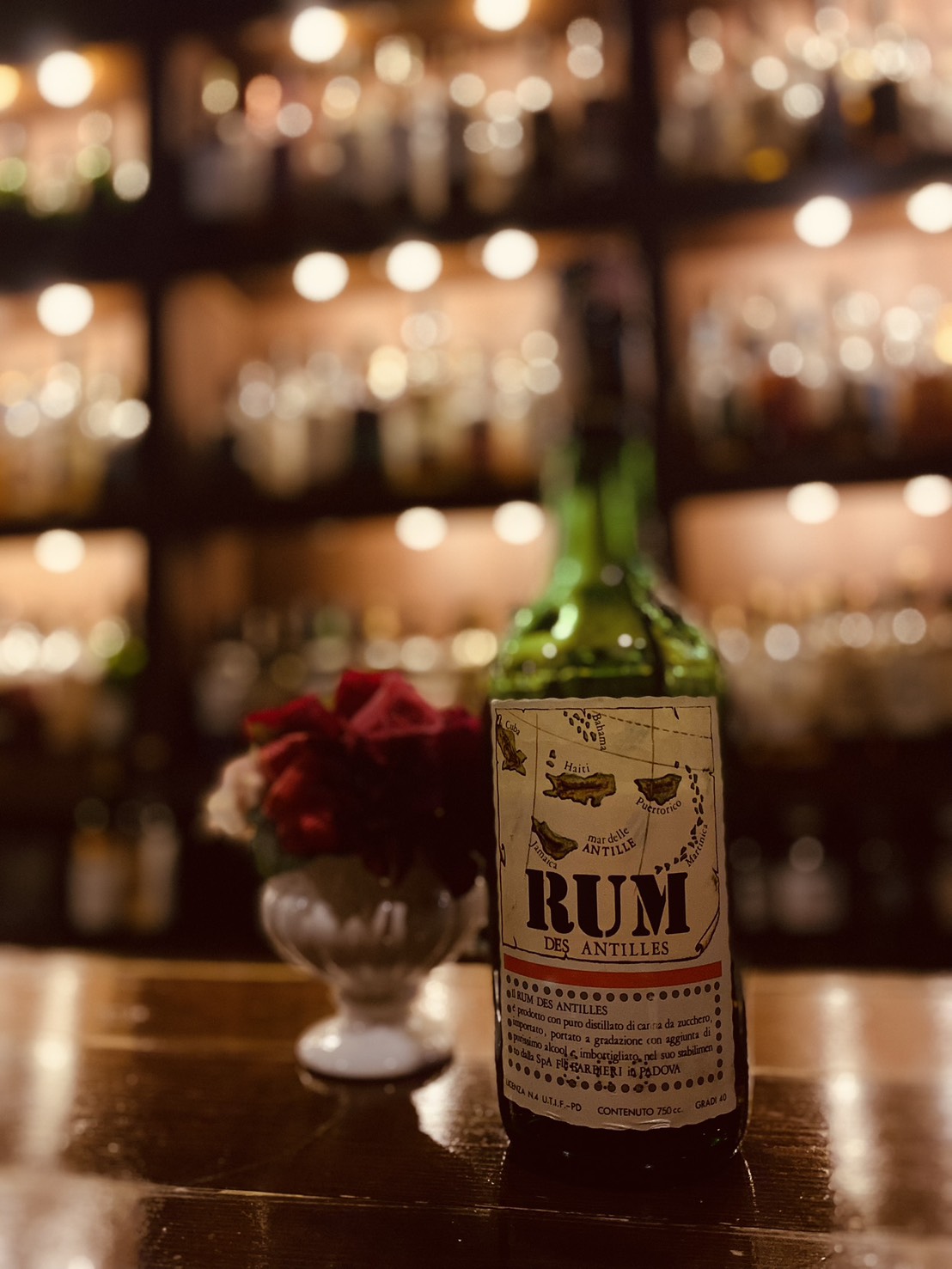
In short: rum was once called “kill-devil,” born from the sugar economy and the slave trade — a history Mika Tanimoto confronted at a former slave-trade castle in Ghana. Today, an old rum bottled in the 1970s shows how 50 years have turned that fierce spirit into something gentle and healing. From Bar Little Happiness, Hiroshima.
Long ago, rum was called “kill-devil.”
The word spread around the 17th century, but the history of rum itself goes back to the 16th century, when sugarcane was brought to the Caribbean.
Etched into it are the light of the sugar economy that brought enormous wealth to Europe, and the heavy history behind it.
I once travelled to Ghana in Africa.
A white, beautiful, yet heartbreakingly cold castle that was once a starting point of the slave trade.
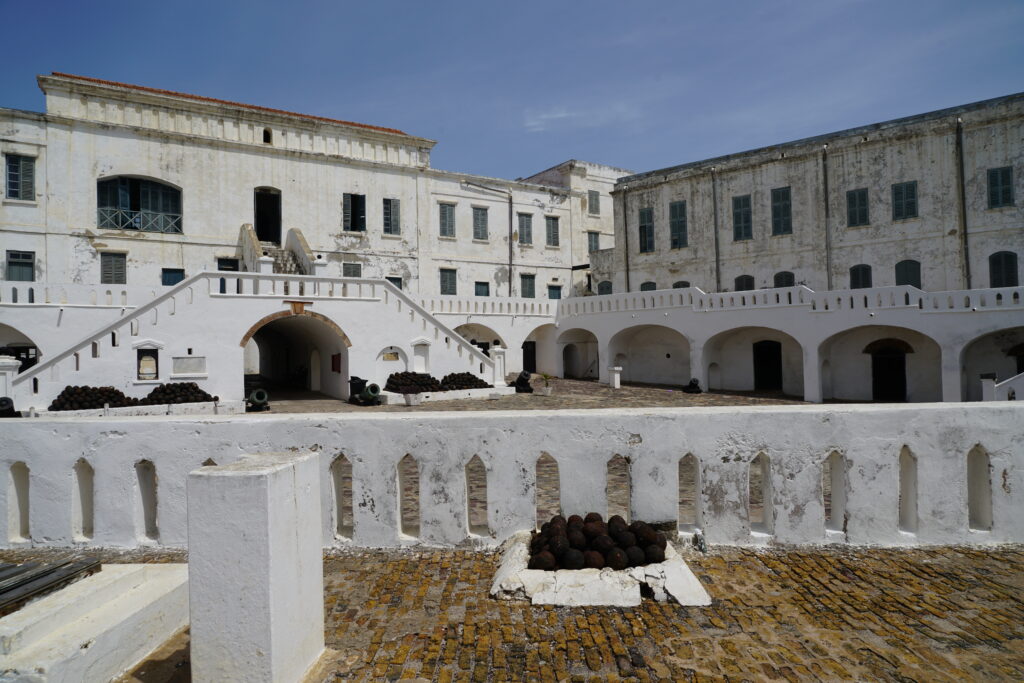
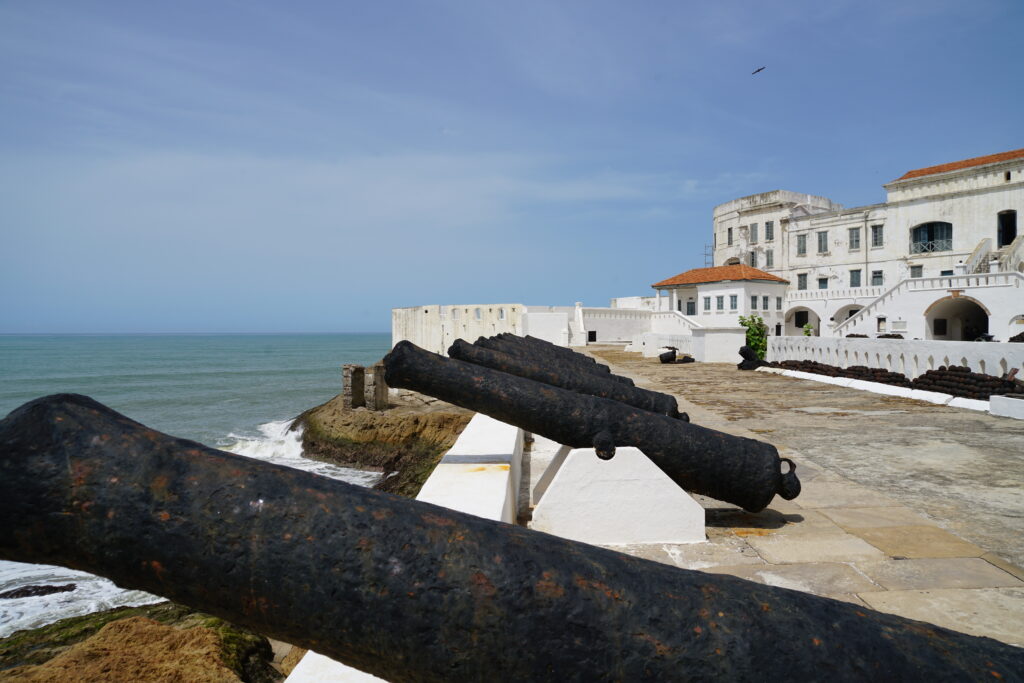
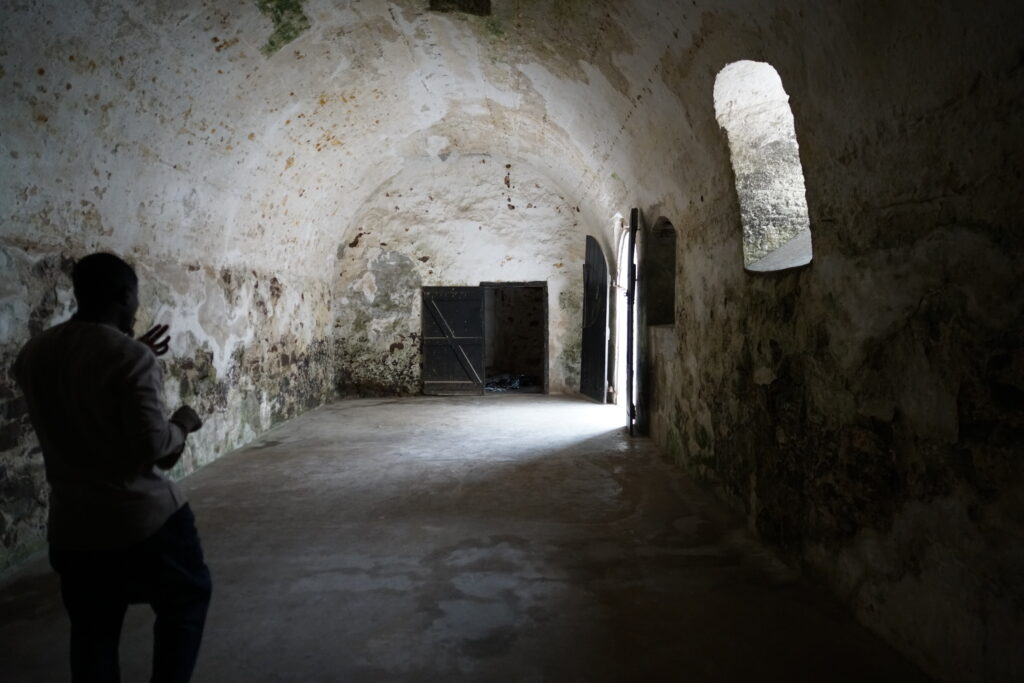
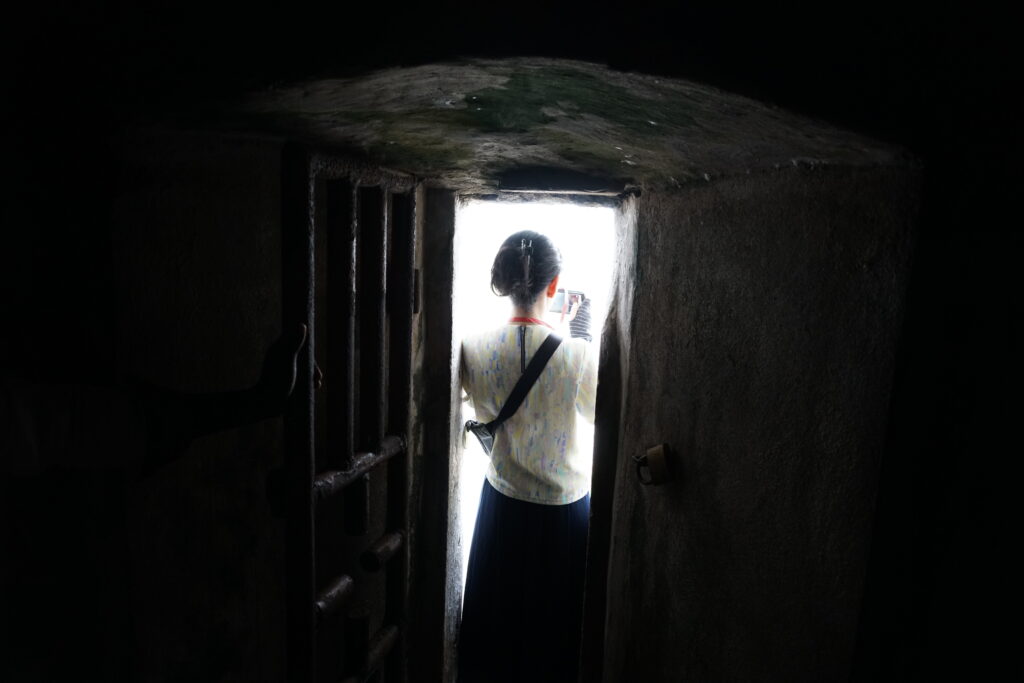
People locked in the dark, cold rooms beneath that castle were taken out to a sea from which they would never return.
What awaited them at their destination were brutal days stripped of human dignity, forced into every kind of labour that supported the economy of the time.
(I have written in an earlier blog post about the slave trade in Ghana, its connection to rum, and my thoughts on peace (in Japanese).)
Rum, too, was born out of that vast sugar-centred economic system, to make use of a by-product: molasses.
In those days it was a fiercely strong spirit that burned the throat.
It also had a sad side as a “fighting alcohol” — something to numb the mind for a while against an unbearably harsh reality, to kill the “devil of weakness” inside and keep going.
Centuries later, rum was refined by human hands and transformed into a supreme spirit with rich aromas.
Today I want to introduce an old bottle of rum, distributed in the 1970s — about half a century old.
From its birth in the 16th century to the 1970s, when its techniques had been polished through so much history.
And then a rum that slept for another 50 years in the bottle.
The fierceness that was once a “fang” to numb someone’s reality is nowhere to be found.
Over half a century its edges have magically rounded off, and it has been reborn with a remarkably mellow, gentle taste — like “an angel at rest.”
It is a strange thing.
A drink born from such a harsh historical background has, over long years, been transformed into something that soothes our hearts and stays by our side.
Fragments of history that began at a castle in Ghana.
And from the 1970s to today, in 2026.
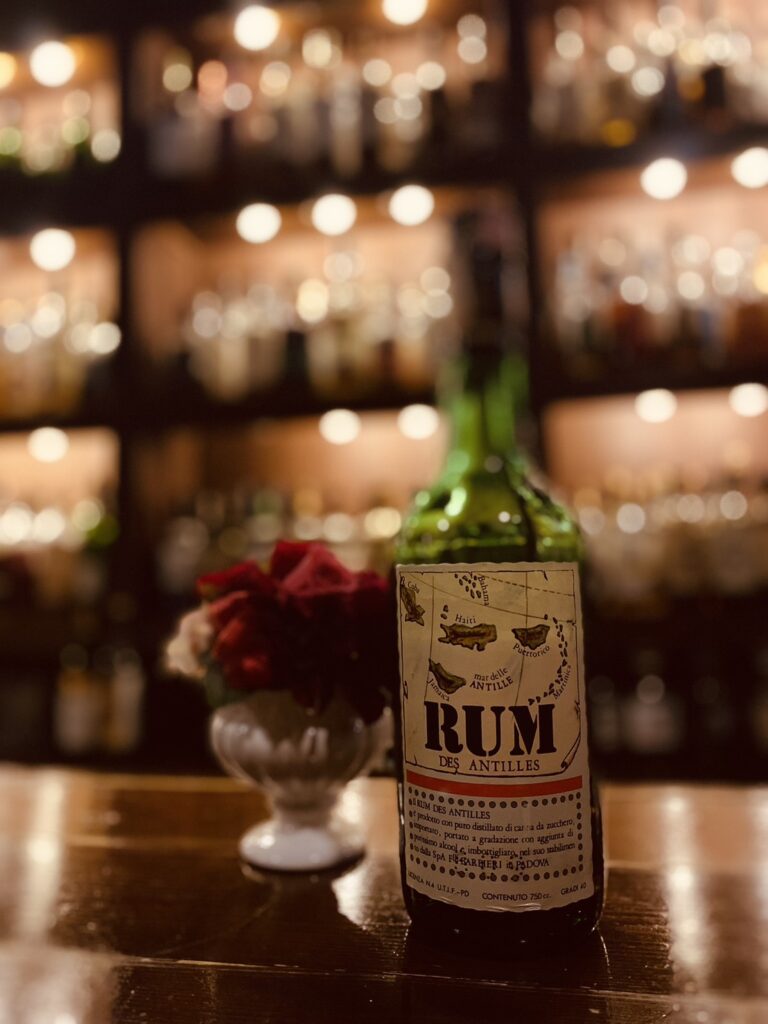
Having passed through time and reached a gentle maturity, this rum should loosen your heart with every sip and give you the courage to live the new year.
Drive out last year’s “devil,” and welcome this year’s “peace.”
Every encounter is meant to be. Welcome to the world of Rum & Whisky.
Mika Tanimoto, Bar Little Happiness
[About the author]
Mika Tanimoto
CEO, Little.m Inc. / Owner-bartender
Since 2006, I have run Bar Little Happiness, a whisky and rum bar in Nagarekawa, Hiroshima. I visit distilleries in Japan and around the world and write about the people who make the spirits. Recipient of the Hiroshima City Excellent Skilled Worker Award.
“Whisky and rum taste even better when you know the hearts of the people who make them.”
[Visit the bar] 📍 Bar Little Happiness
Rolling Nagarekawa 1F, 5-14 Nagarekawa-cho, Naka-ku, Hiroshima
Mon–Sat 7:00 pm – 12:30 am / Sun 7:00 pm – 12:00 am (closed when I travel to visit distilleries)
No cover charge, no reservation needed