

Vintage 1970: The Pride of the Clément Family (Rhum Clément, Martinique)
2026.10.05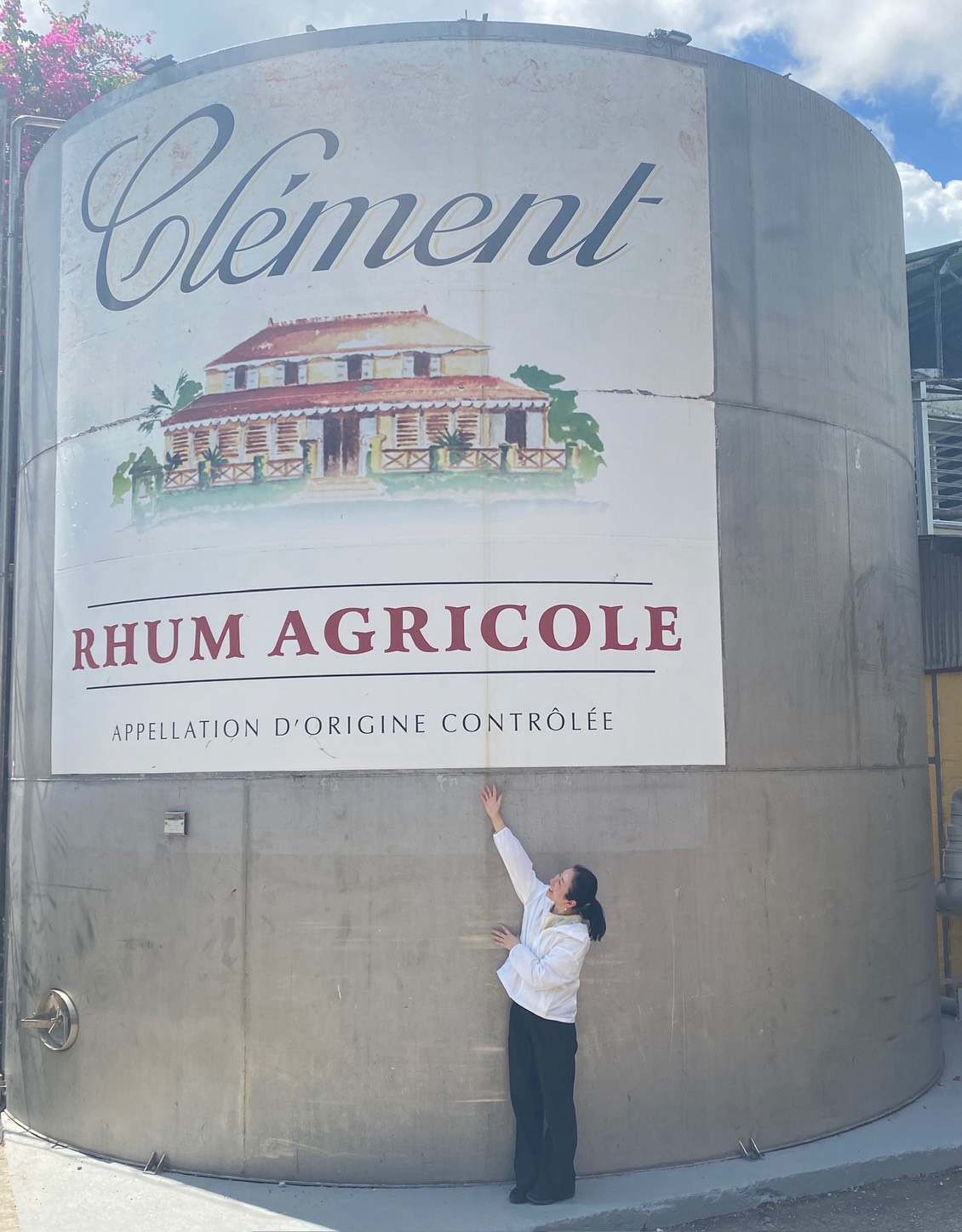
In short: the history of Rhum Clément in Martinique — Homère Clément, a doctor and politician whose grandfather was a freed slave, bought the Acajou estate in 1887 and turned to rum in 1917; his son Charles built the brand. A 1970 vintage, distilled just before Charles’s death and long before the 1988 closure, captures the family’s golden age. From a 2024 visit by Mika Tanimoto, Bar Little Happiness, Hiroshima.
A few years ago, I visited Clément Distillery in Martinique.
I’d like to share the story of Clément, together with what I saw there.
Martinique — the holy land of rum!!
A child of emancipation: Homère Clément’s “independence”
The story begins in 1852 in Martinique, just four years after the abolition of slavery.
The founder, Homère Clément, was the son of a tailor, and his grandfather had been a freed slave.
He was a member of the elite who studied medicine in Paris; after returning home, he worked not only as a doctor but also as a mayor, a municipal councillor and even a deputy, devoting himself to the island as a political leader.
In 1887, he bought the bankrupt “Domaine de l’Acajou” at auction.
That became the origin of Rhum Clément, which would later captivate the world.
A “nose for business” born in wartime
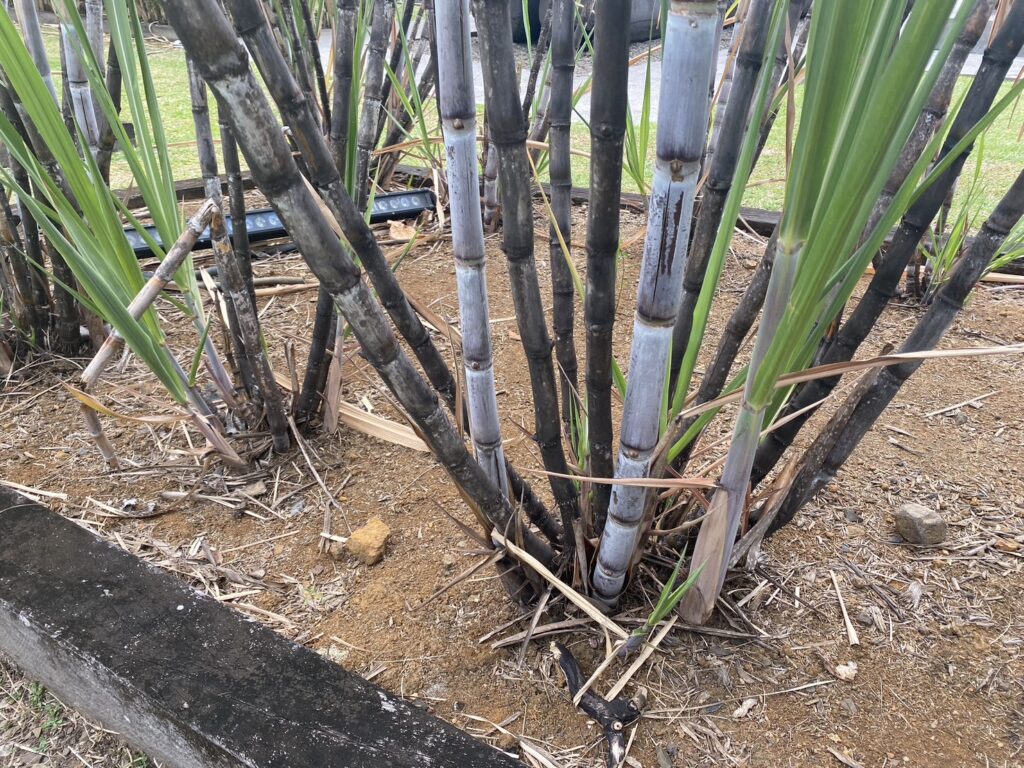
At first, Homère Clément only grew sugarcane, but a turning point came in 1917, during the First World War.
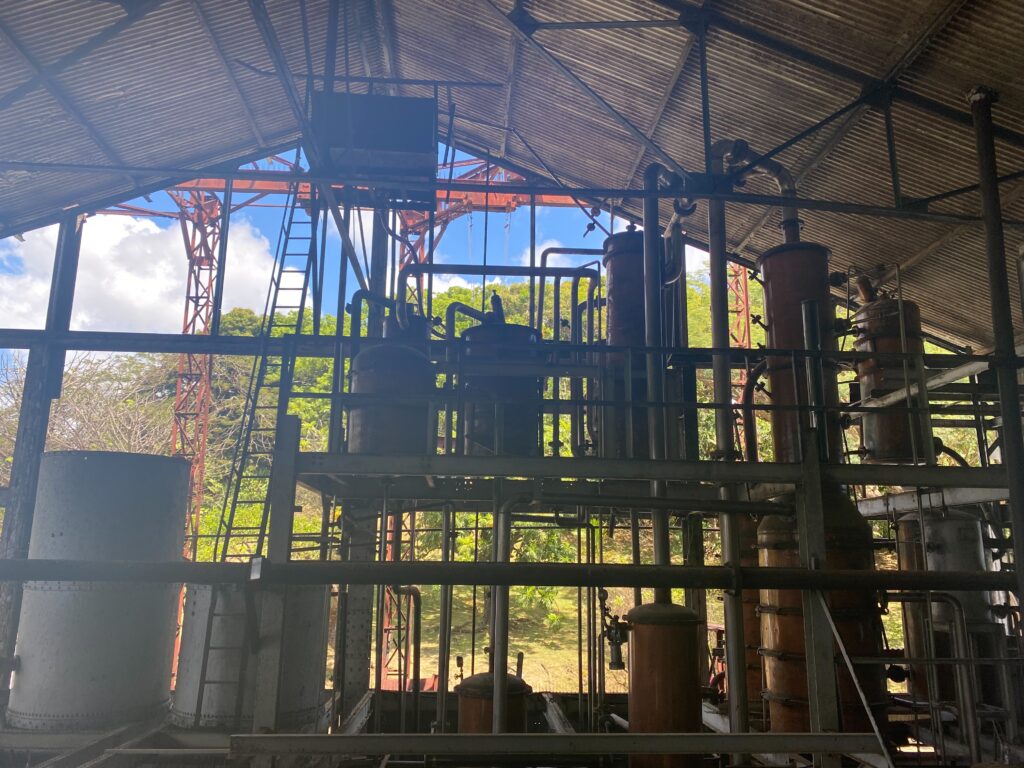
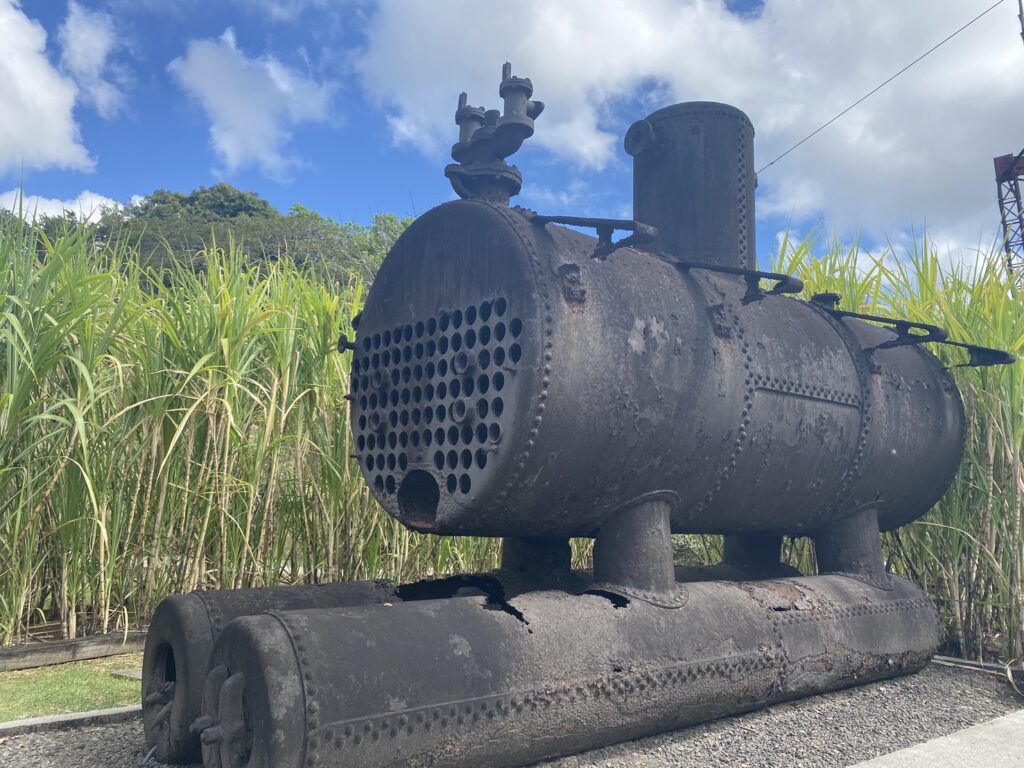
Sensing the surge in demand for alcohol in mainland France, he built a distillery on the site of an old sugar mill and switched to making rum.
Without this “ability to read the times,” today’s Clément might not exist.
His son Charles “establishes the brand,” and the background to 1970
After Homère Clément died in 1923, his son Charles Clément, a gifted engineer and businessman, took over.
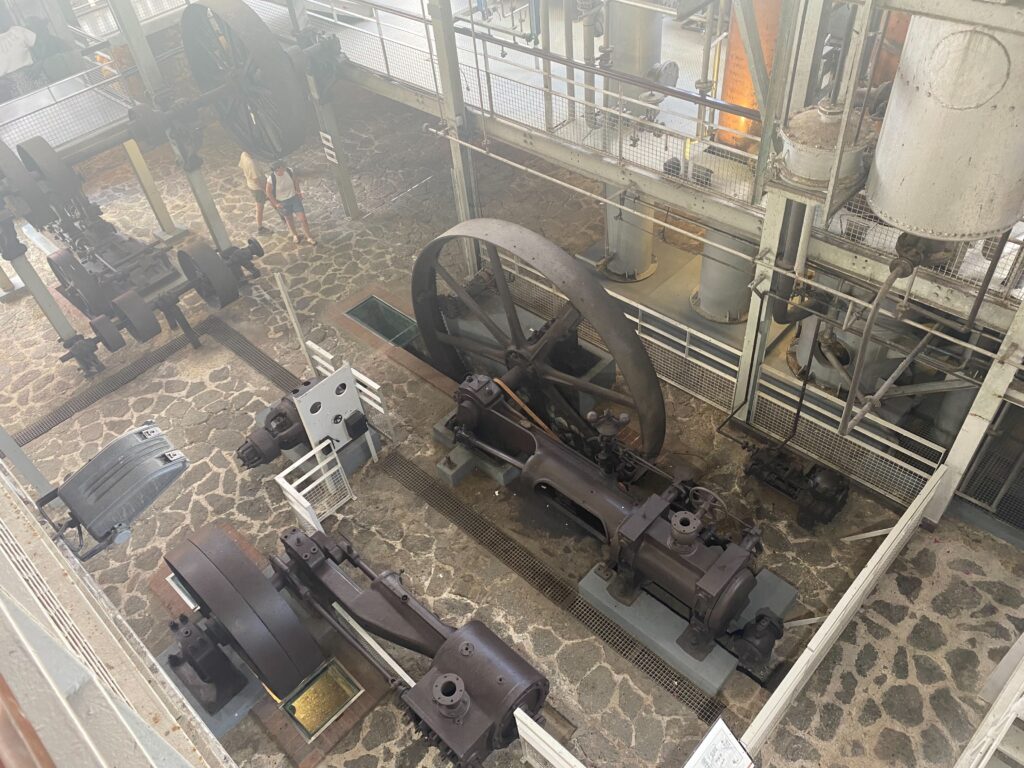
He thoroughly modernised the production facilities and, in 1931, began selling the rum under the name “Acajou.”
Then in 1940, the brand was renamed “Rhum Clément.”
The 1970 vintage: “a turning point in time”
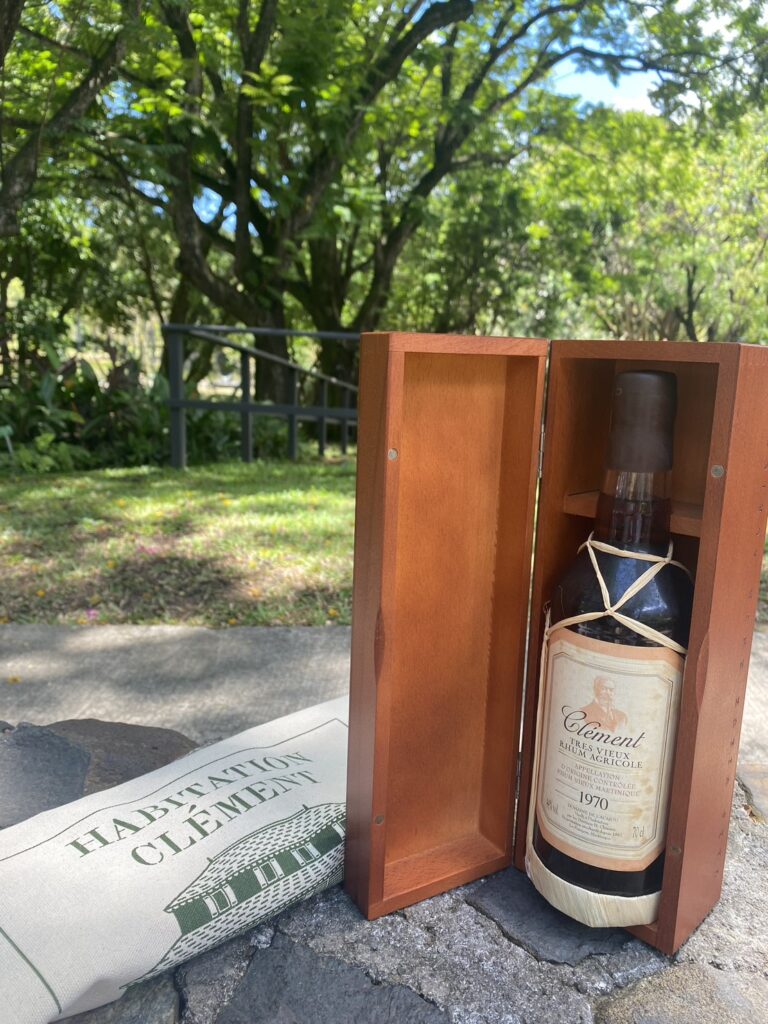
Here I come back to the Clément 1970 vintage I bought there.
1970, the year this rum was distilled, was just three years before the death (in 1973) of Charles Clément, who had revived the house.
In other words, it is one of the last pieces of the golden age, when the Clément family poured in the most passion and perfected their craft at their own distillery.
Later, in the 1980s, the family faced financial difficulties and family problems, and gave up control of the business.
In 1988, the distillery itself was also closed, so the 1970 bottle carries a strong imprint of the atmosphere of the time, the pride of the craftsmen, and the pure DNA of the Clément family “before the Hayot family.”
Next time, I’ll talk about how Clément is now protected by the giant Hayot family and has evolved into entertainment — the Clément I witnessed there!
▶︎ Running the Whole Town?! The Sanctuary of Rum Built by “the Glamorous Hayot Family”
Every encounter is meant to be.
Welcome to the world of Rum&Whisky.
[A note from Tanimoto] This article about Clément is based on my actual visit, but it includes some of my personal thoughts and interpretations. Please enjoy it as the musings of one rum lover.
[About the author]
Mika Tanimoto
CEO, Little.m Inc. / Owner-bartender
Since 2006, I have run Bar Little Happiness, a whisky and rum bar in Nagarekawa, Hiroshima. I visit distilleries in Japan and around the world and write about the people who make the spirits. Recipient of the Hiroshima City Excellent Skilled Worker Award.
“Whisky and rum taste even better when you know the hearts of the people who make them.”
[Visit the bar] 📍 Bar Little Happiness
Rolling Nagarekawa 1F, 5-14 Nagarekawa-cho, Naka-ku, Hiroshima
Mon–Sat 7:00 pm – 12:30 am / Sun 7:00 pm – 12:00 am (closed when I travel to visit distilleries)
No cover charge, no reservation needed