
Cardrona Distillery, New Zealand: The Production Process and a Bond with a Maker’s Mark Master
2026.10.05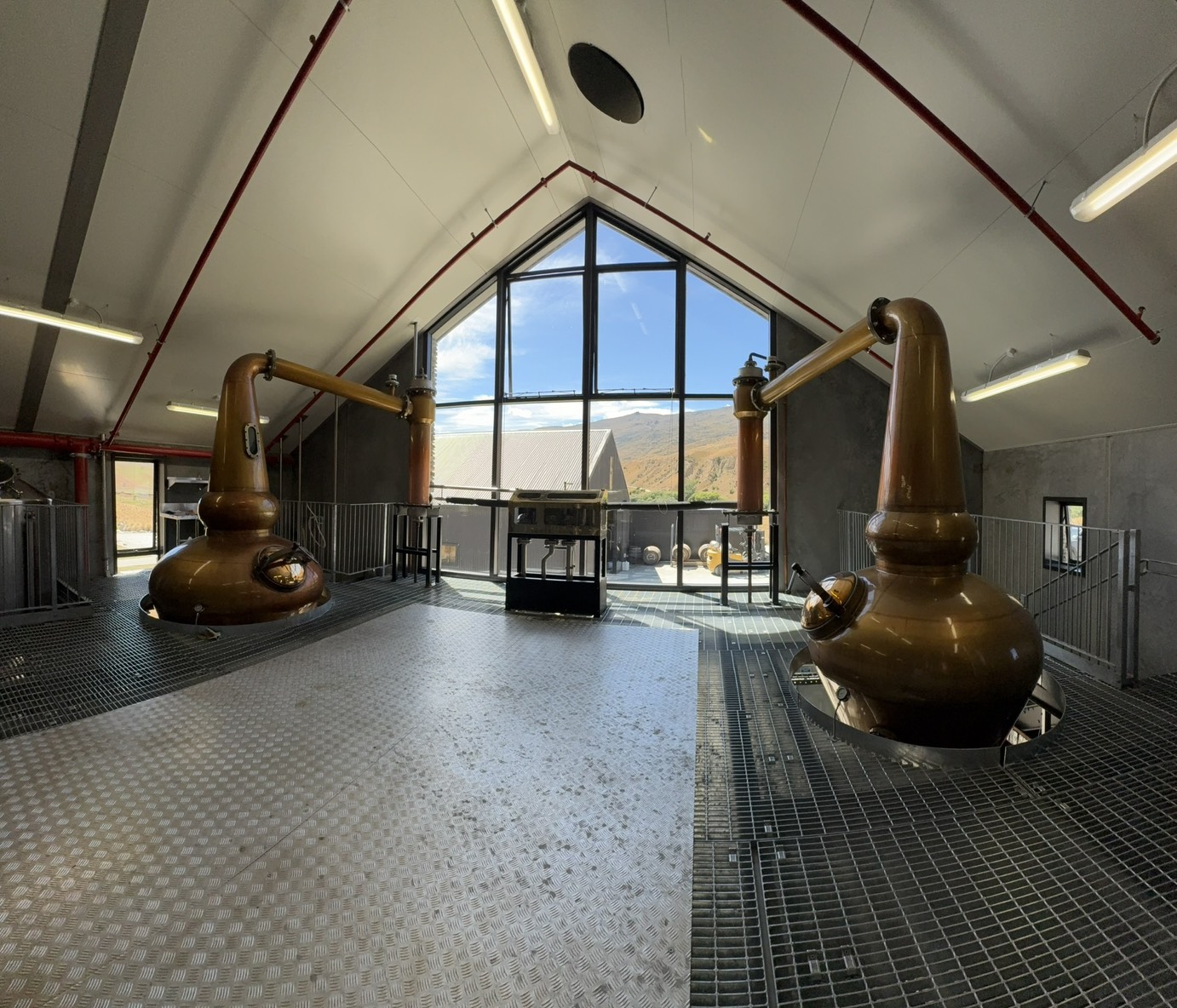
In short: inside Cardrona Distillery in New Zealand — founder Desiree Reid’s path from a dream at 21, through rose perfume, to training with a Maker’s Mark master distiller; “Alvin’s well” dug by her father; a mash tun insulated with merino wool; hand-mixed yeast; and Forsyths pot stills “Roaring Meg” and “Gentle Annie.” By Mika Tanimoto, Bar Little Happiness, Hiroshima.
The pride of “analogue” that plays tradition — a whisky carrying a family’s dream
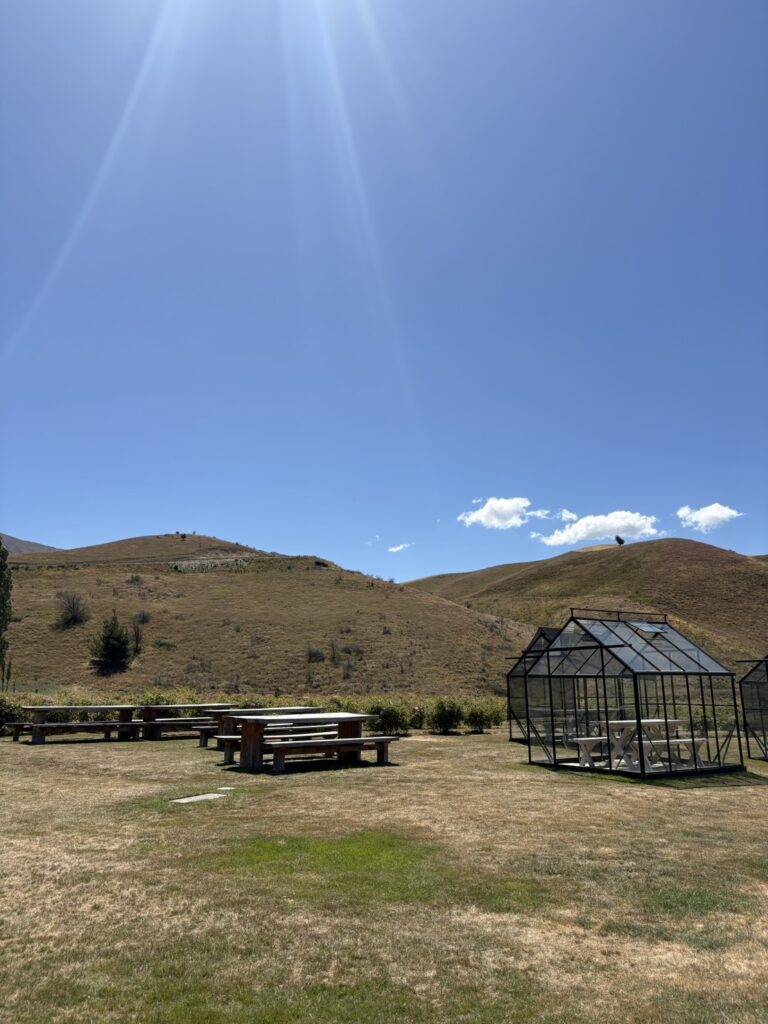
Cardrona Distillery, nestled in New Zealand’s beautiful Cardrona Valley.
This time I dig into the whisky-making process and the founding story of founder Desiree Reid.
From “rose perfume” back to “a dream at 21”
Desiree fell in love with whisky-making on her 21st birthday.
On a Scottish distillery tour her mother gave her as a present, a fire was lit in her heart: “One day I will make the finest single malt in my home, New Zealand.”
At 28, at the peak of her career, the decision to “sell the farm”
Desiree worked in dairy farming until 28–29, and went on to build many careers, including as a lawyer.
But unable to give up the dream of “building a distillery” she had held since Scotland at 21, she left her stable career behind.
At that time, to fully support their daughter’s dream, her parents sold the family farm that had been handed down for generations and put everything into building the distillery.
A first challenge: “rose perfume”
With the money from selling the farm, what she first planned to make was, surprisingly, not whisky but “rose oil perfume.”
But when she actually tried distilling, she faced a harsh business reality: one tonne of petals yields only one litre of essential oil.
A fateful meeting in California
Hitting the wall of such a “low yield” drove her to learn even more.
To learn distilling from the ground up, she went alone to the “World Distillation Conference” held in California.
There she met a giant from Kentucky: Richard, the master distiller of Maker’s Mark.
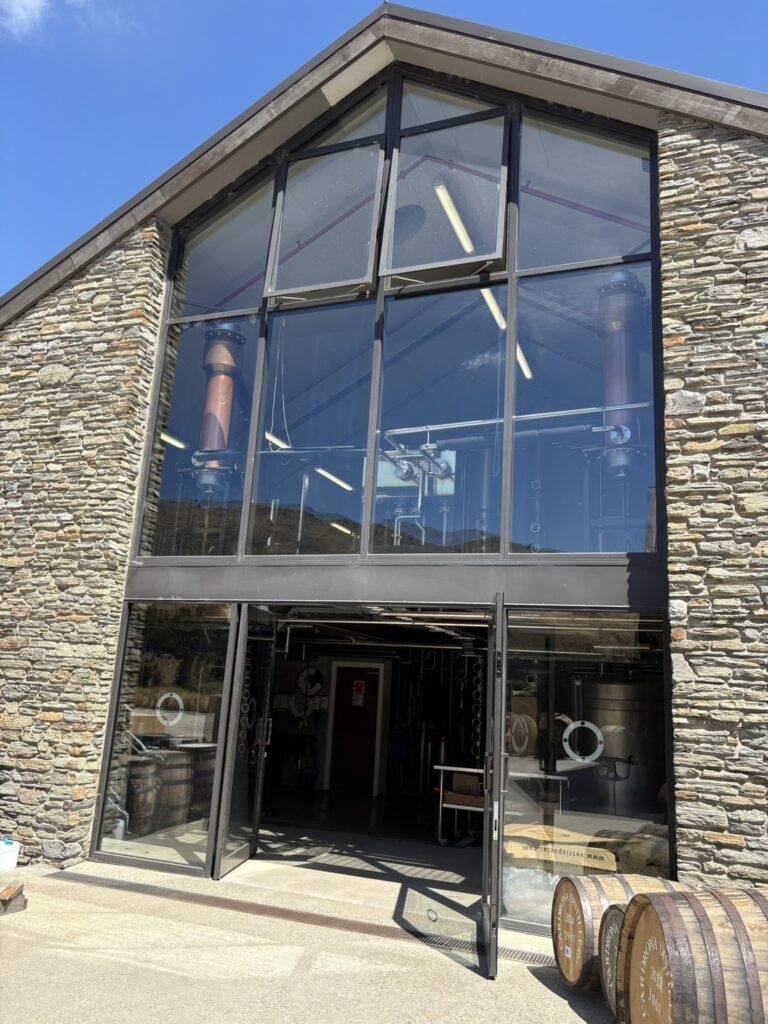
“Personal” intensive training from a master
Richard recognised Desiree’s passion and agreed to mentor her personally.
Perfume and whisky share the same basic principle: “distillation.”
They were very hard days of training for her, but the distilling skills she had learned for perfume were refined by the master into world-class single malt making.
“Alvin’s well,” dug by her father
Behind the distillery there is a small well, 10 metres deep.
Amazingly, this well was found and dug by Desiree’s father, Alvin, himself.
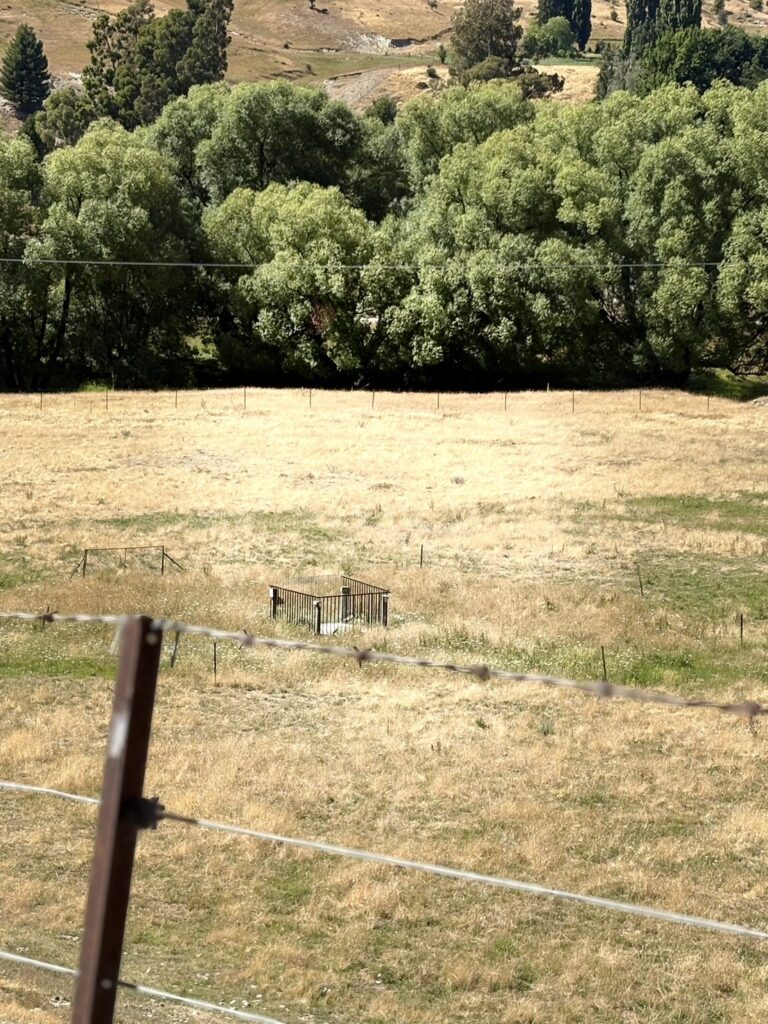
(It is very hard to see, but the square in the middle of the photo is the well.)
Snowmelt from the surrounding mountains is naturally filtered through the bedrock and springs up rich in minerals — the “water of life” that gives Cardrona’s whisky its rich backbone.
Seeing Alvin still at work driving a forklift, I thought of the family’s history of pioneering this land together, and the beauty of the scene moved me deeply.
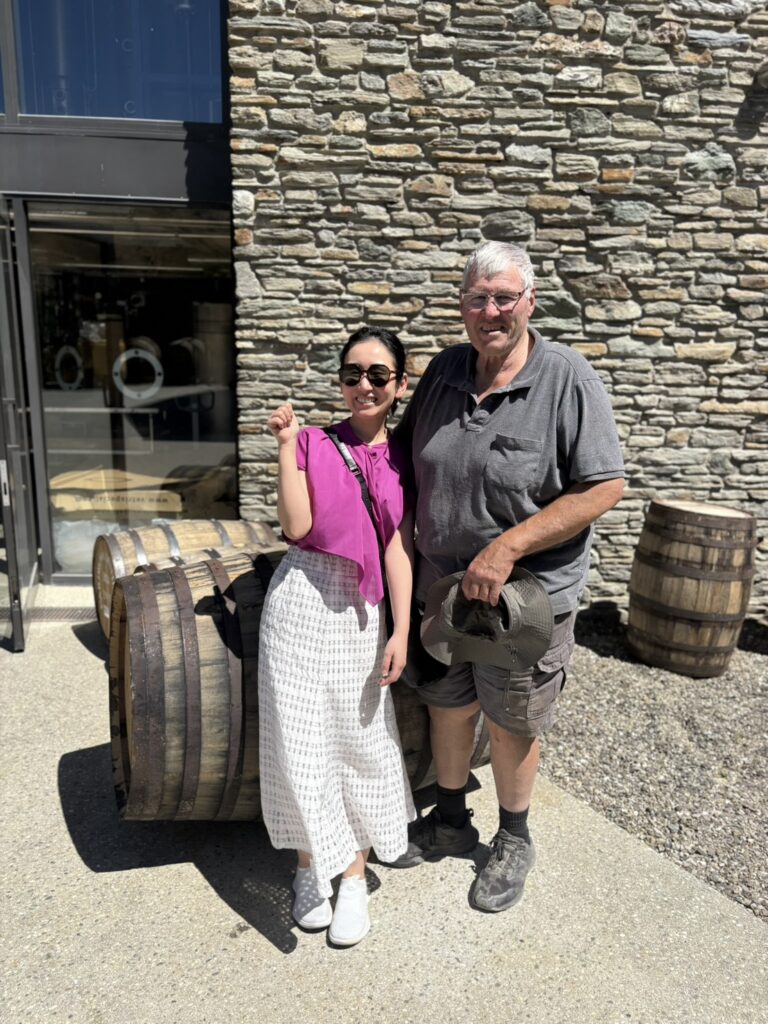
(With Alvin, the founder’s father)
Insulation from the land of sheep: “merino wool”
As you enter the production area, a large mash tun catches your eye.
What surprised me was the insulation covering the tun.
It is made of New Zealand’s famous merino wool.
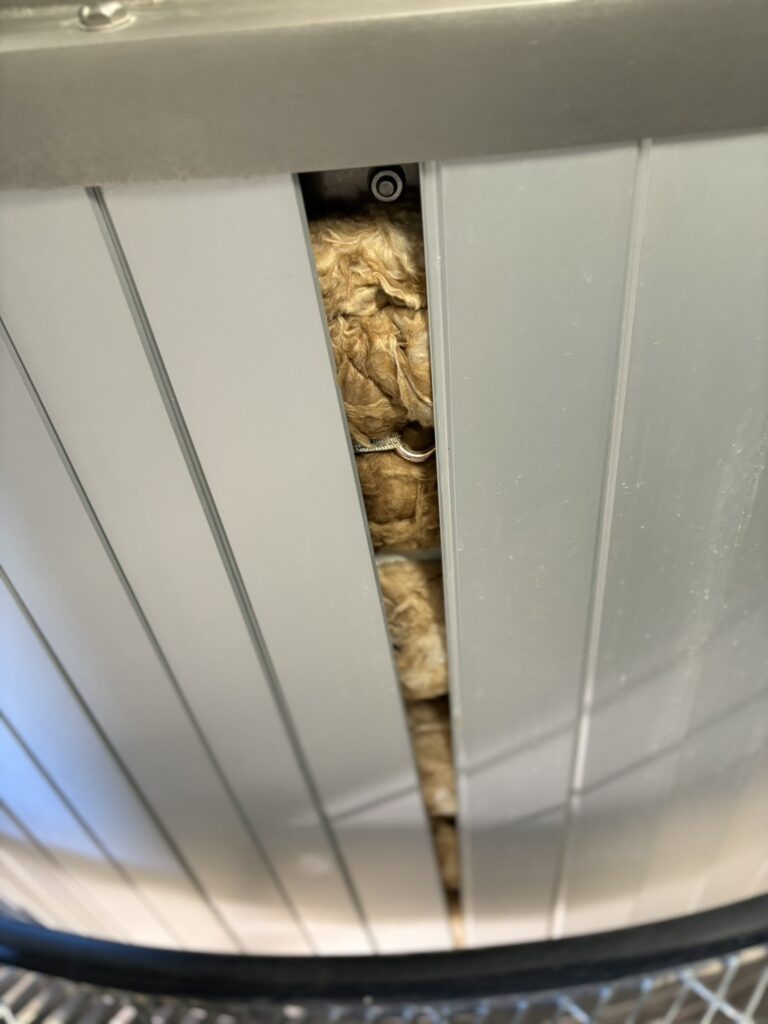
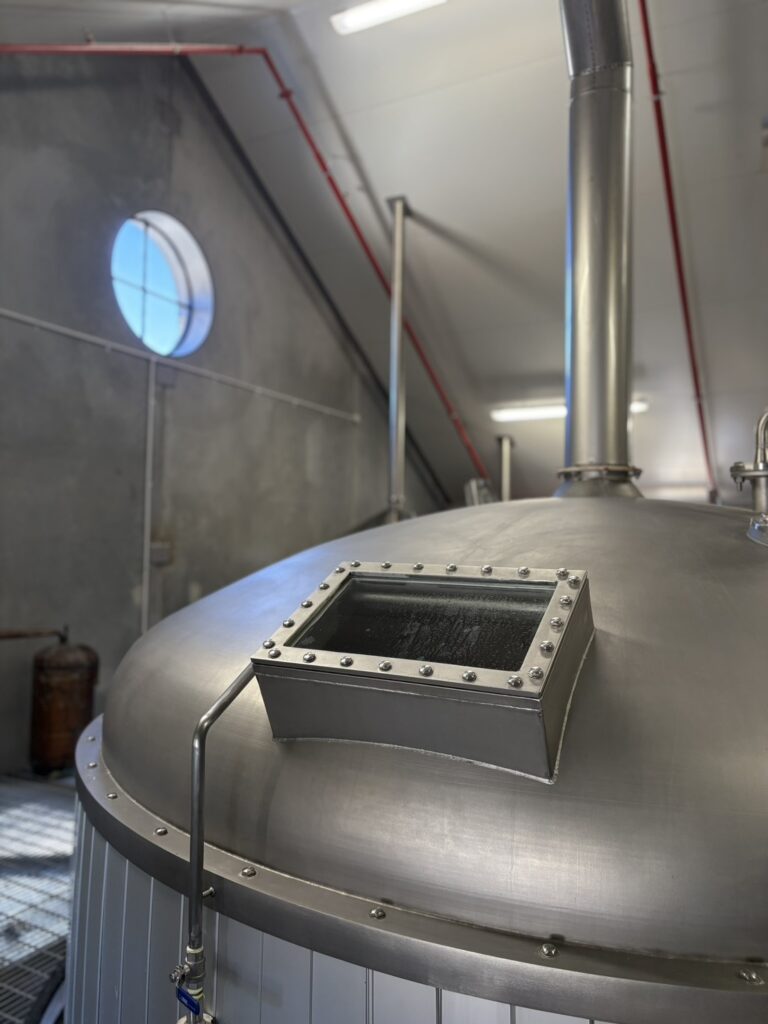
Hearing the explanation — “We keep the temperature with high-quality New Zealand wool” — I was moved that this wisdom, so typical of a land of sheep, gently protects the temperature that draws out the whisky’s sweetness.
(Apparently it’s the same wool as Icebreaker, the clothing brand!)
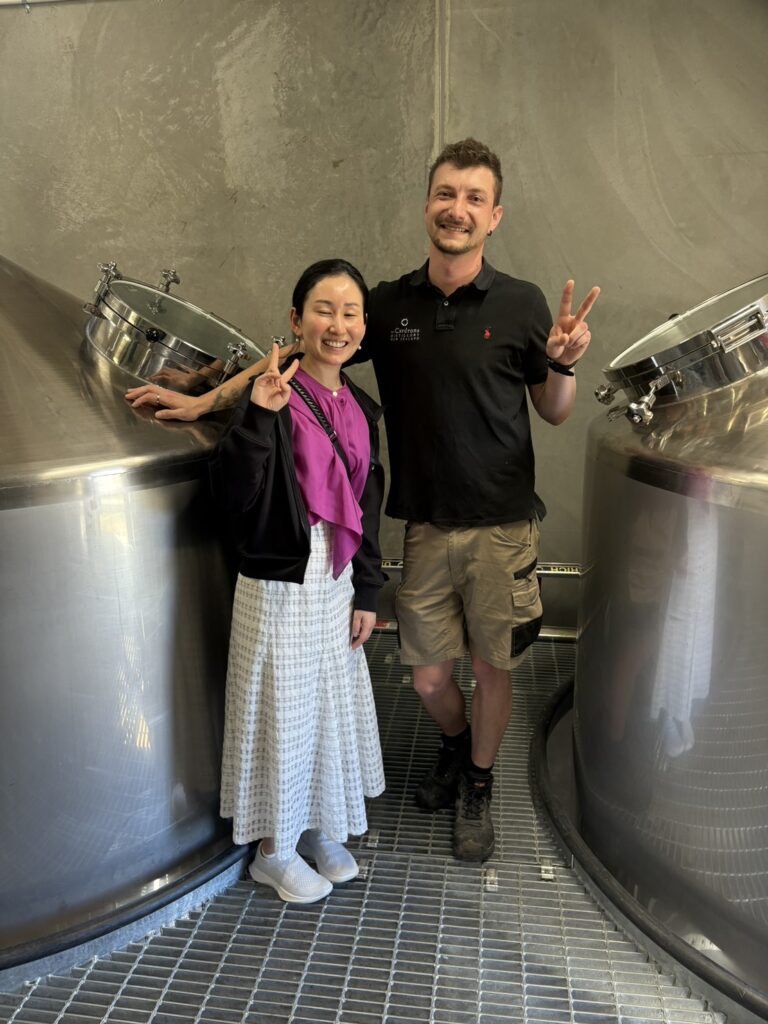
A “handmade” fermentation process, like baking bread
Fermentation, too, is full of human touch.
4 kg of yeast is added to 6,000 litres of wort.
Rather than leaving it to machines, the staff carefully mix it by hand so it doesn’t clump.
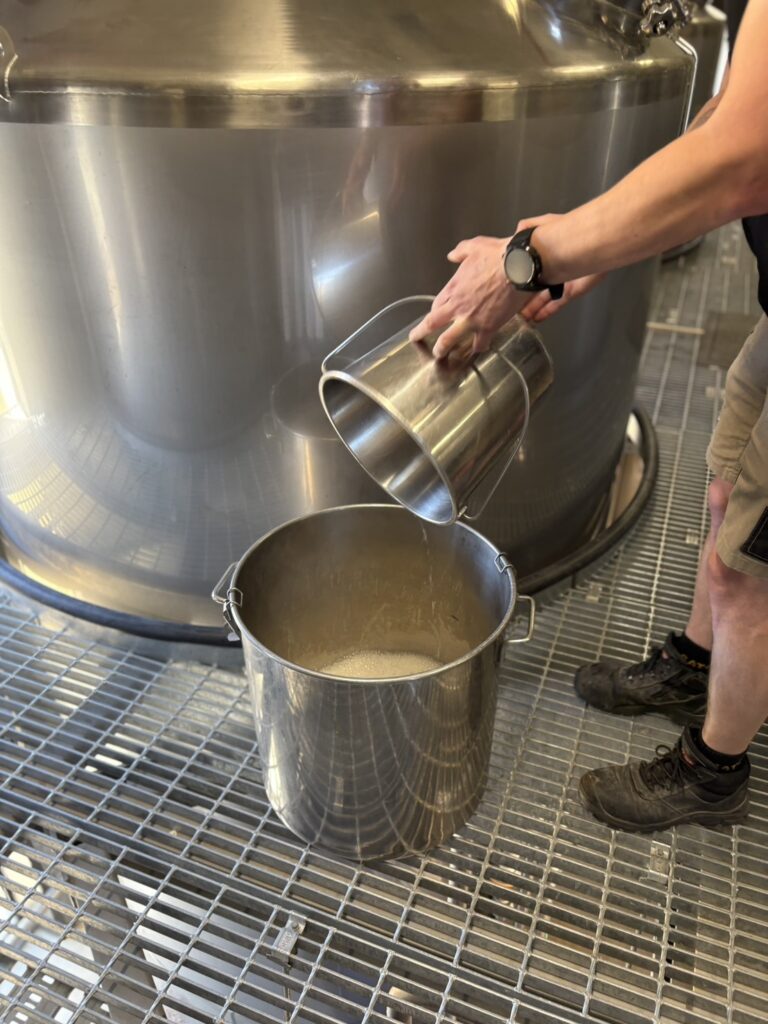
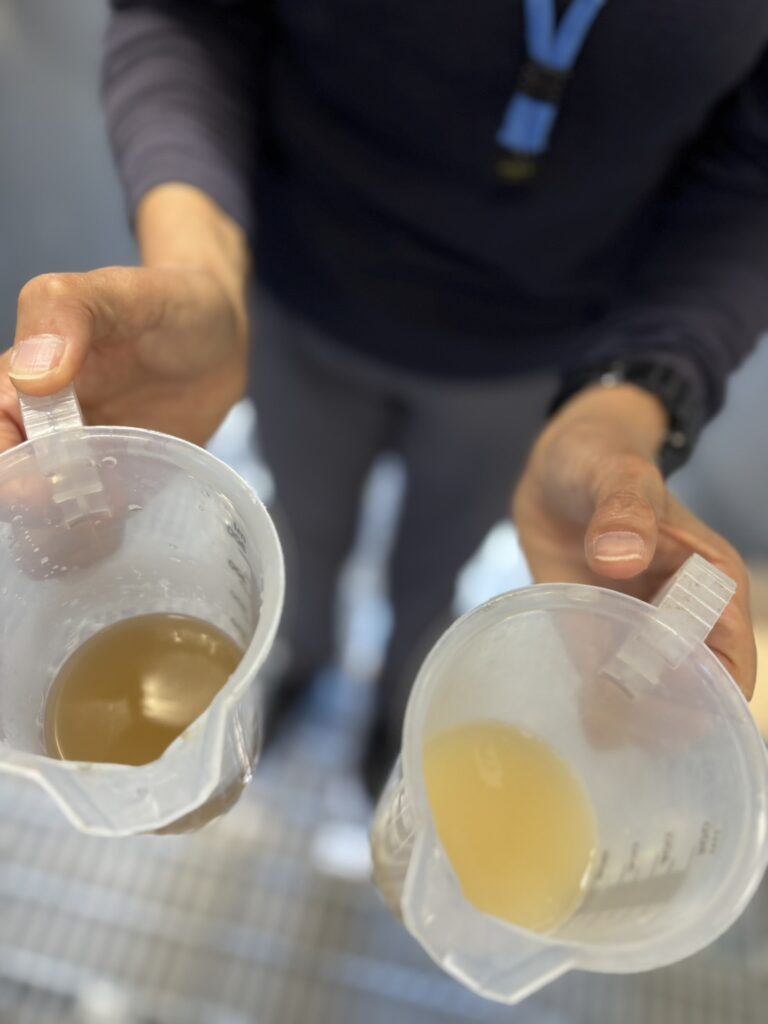
“Just like baking bread, isn’t it?” laughed the staff — handwork, and an analogue attitude that values the “essence” digital control can never reach.
They showed me so much — a truly luxurious time!
Pot stills from Scotland
And the star of the distillery: beautiful copper pot stills made by Forsyths, the renowned Scottish firm.
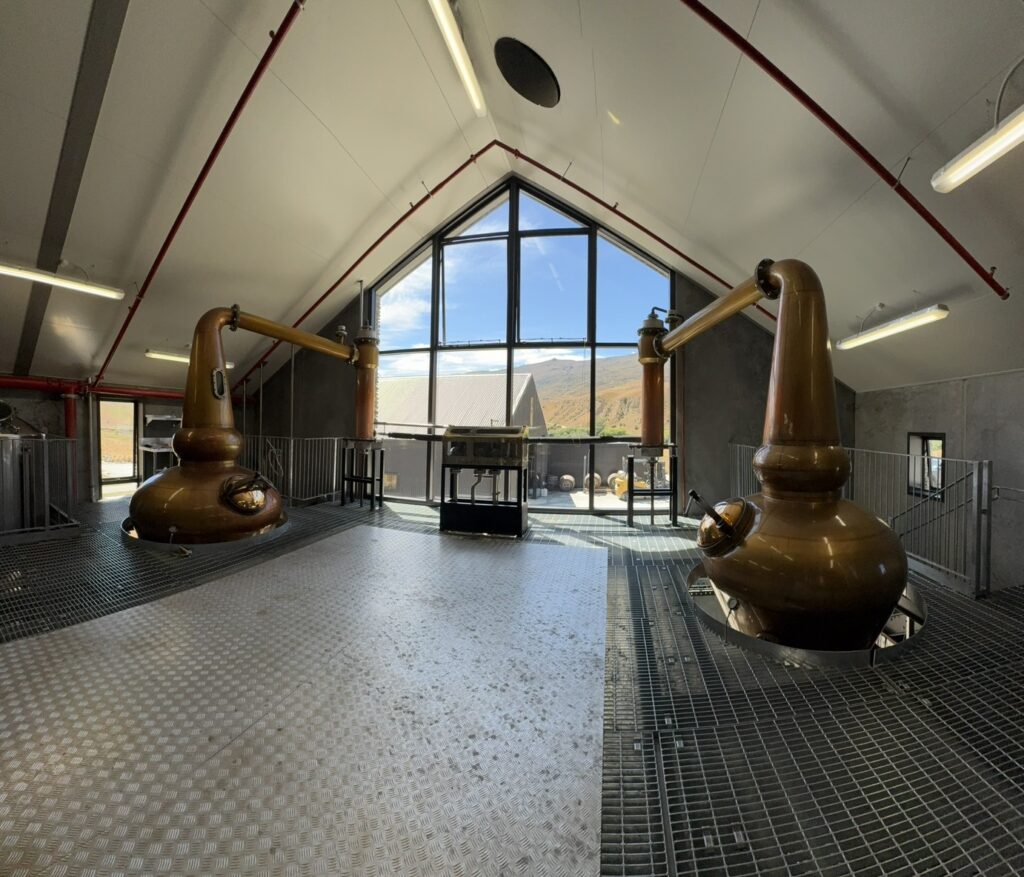
The pot stills are nicknamed “Roaring Meg” and “Gentle Annie,” after local rivers.
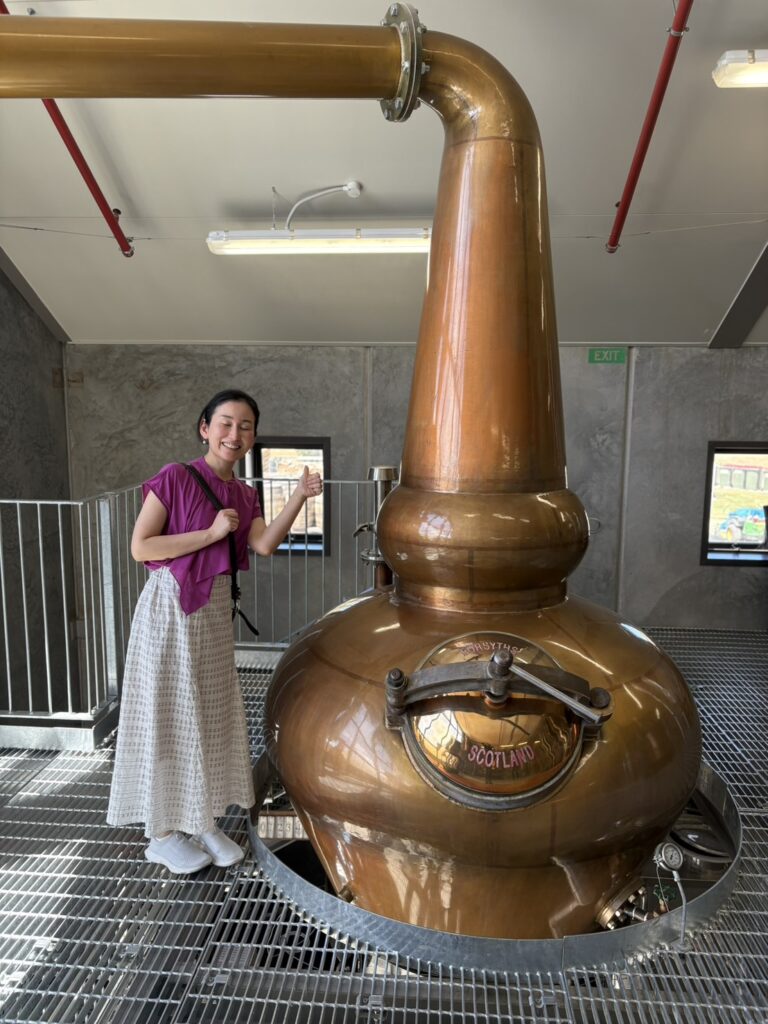
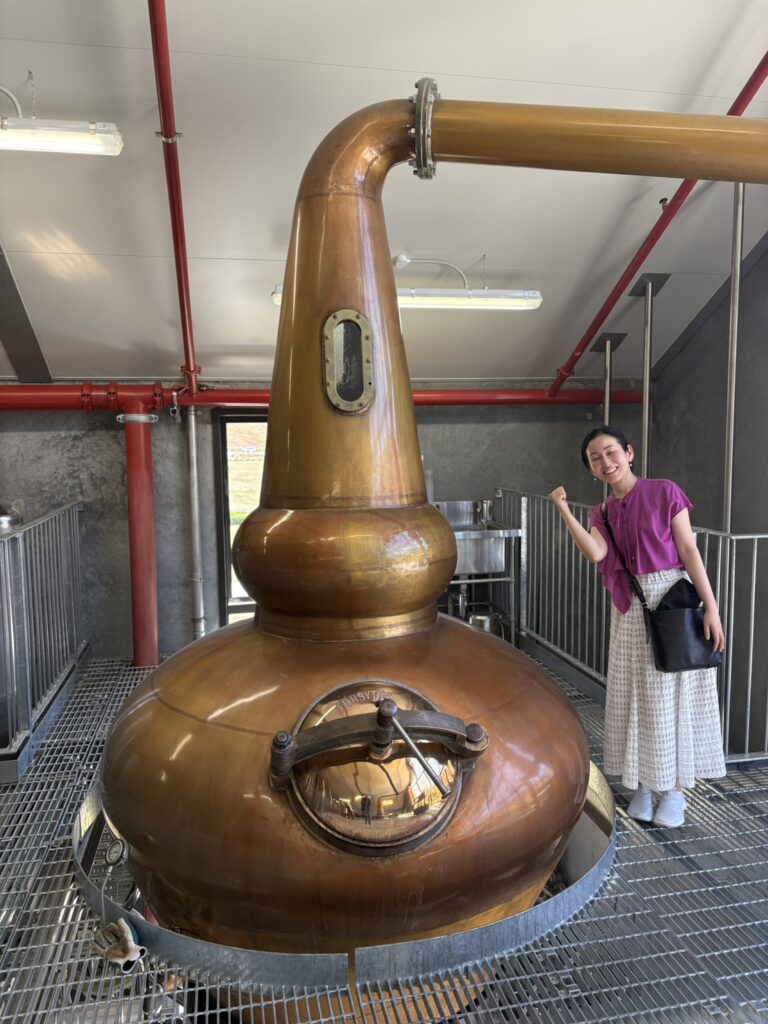
Sometimes fierce, sometimes gentle: the spirit produced by traditional double distillation shapes Cardrona’s character.
Cardrona Distillery was built when a family sold the farm handed down for generations and entrusted everything to their daughter’s dream.
The equipment, the flowers and the buildings are beautiful, of course — but the family’s love and unwavering resolve made it an almost unbearably beautiful distillery.
Next time is the final part.
I’ll write about the “once-in-a-lifetime” whisky I met in the warehouse, and a wonderful pairing experience at the Cardrona Distillery restaurant.
[A note from Tanimoto] This record of Cardrona Distillery is based on my own visit, but my English is zero, so I visited with a local interpreter.
The interpreter knew nothing about whisky, so we helped each other through the experience.
After returning home, I researched and fact-checked again in my own way, but some of my personal thoughts and interpretations are included. Please bear that in mind.
Every encounter is meant to be. Welcome to the world of Rum&Whisky.
“Both whisky and rum taste even better when you touch the feelings of the people who make them.”
[About the author]
Mika Tanimoto
CEO, Little.m Inc. / Owner-bartender
Since 2006, I have run Bar Little Happiness, a whisky and rum bar in Nagarekawa, Hiroshima. I visit distilleries in Japan and around the world and write about the people who make the spirits. Recipient of the Hiroshima City Excellent Skilled Worker Award.
“Whisky and rum taste even better when you know the hearts of the people who make them.”
[Visit the bar] 📍 Bar Little Happiness
Rolling Nagarekawa 1F, 5-14 Nagarekawa-cho, Naka-ku, Hiroshima
Mon–Sat 7:00 pm – 12:30 am / Sun 7:00 pm – 12:00 am (closed when I travel to visit distilleries)
No cover charge, no reservation needed